A major workforce reduction
Uber is cutting approximately 3,300 jobs, roughly ten percent of its global workforce, in a restructuring that chief executive Dara Khosrowshahi says is aimed at reducing management layers, consolidating overlapping teams and simplifying an organizational structure the company has described as having become too complex as it expanded into new business lines over the past several years. The cuts span multiple departments and geographies, according to internal communications reviewed by reporters covering the announcement.
The layoffs come even as Uber's core ride-hailing and delivery businesses have continued to post steady revenue growth, underscoring that the restructuring is being driven more by strategic repositioning than by an immediate financial crisis. Khosrowshahi has framed the cuts as part of a deliberate effort to make the company more nimble as it navigates a rapidly shifting competitive landscape increasingly shaped by autonomous vehicle technology.
Redirecting resources toward robotaxis
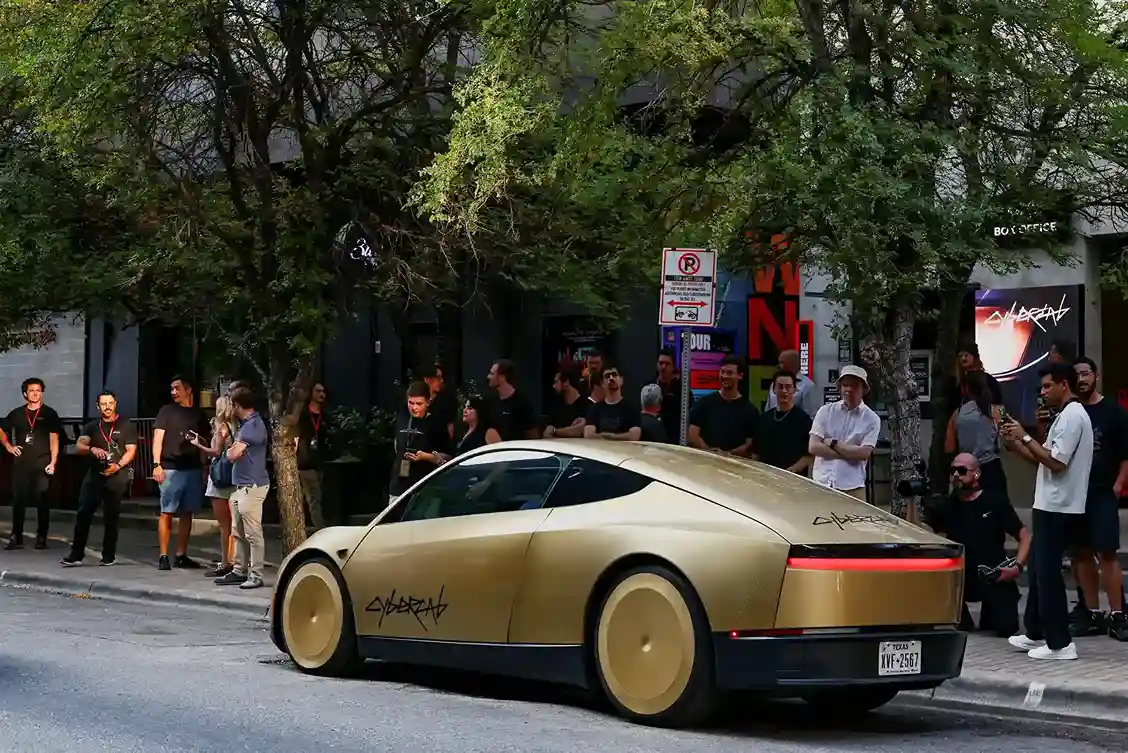
Much of the reorganization appears aimed at freeing up resources and management attention for Uber's growing portfolio of autonomous vehicle partnerships, through which the company has positioned itself as a software and marketplace layer connecting riders with self-driving vehicles operated by a range of technology partners rather than building its own autonomous driving stack from scratch. That strategy stands in contrast to competitors like Tesla, which have pursued a vertically integrated approach combining vehicle manufacturing and autonomy software under one roof.
Industry analysts say Uber's bet reflects a calculation that the company's greatest long-term value lies in its massive rider network and logistics expertise rather than in developing autonomous driving technology in-house, a capital-intensive endeavor that has proven difficult even for companies with far deeper research and development budgets. By partnering broadly across multiple autonomous vehicle developers, Uber aims to avoid being locked out of the robotaxi market regardless of which underlying technology ultimately proves most successful and scalable.
Employee and investor reaction
Affected employees have been offered severance packages that the company says are in line with industry standards, though some labor advocates have criticized the scale and timing of the cuts, noting that the restructuring comes during a period of otherwise solid financial performance for the company. Employee groups have called for greater transparency about how roles were selected for elimination and whether the changes disproportionately affected specific departments or geographic offices.
Wall Street's reaction to the announcement was largely positive, with several analysts framing the cuts as a sign of disciplined management focused on long-term positioning rather than short-term cost pressure. Uber's stock saw a modest uptick following the announcement, with investors appearing to view the reorganization as a strategic bet that could pay off significantly if autonomous ride-hailing scales as quickly as many in the industry currently anticipate over the next several years.
A shifting relationship with drivers
The restructuring has also renewed questions about Uber's long-term relationship with the millions of human drivers who still make up the backbone of its ride-hailing and delivery businesses today. Driver advocacy groups say they are watching closely to see whether resources freed up by the layoffs are used to improve driver pay and working conditions or are funneled entirely into autonomous vehicle partnerships that could eventually reduce reliance on human drivers in major markets.
Khosrowshahi has publicly maintained that human drivers will remain central to Uber's business for years to come even as autonomous vehicles expand, noting that robotaxis are likely to first supplement rather than replace human-driven trips in most cities given the significant regulatory and technical hurdles still standing in the way of nationwide autonomous deployment. Still, the scale of investment now flowing toward the robotaxi strategy has left some drivers uneasy about how the balance between human and autonomous rides might shift over the next several years.