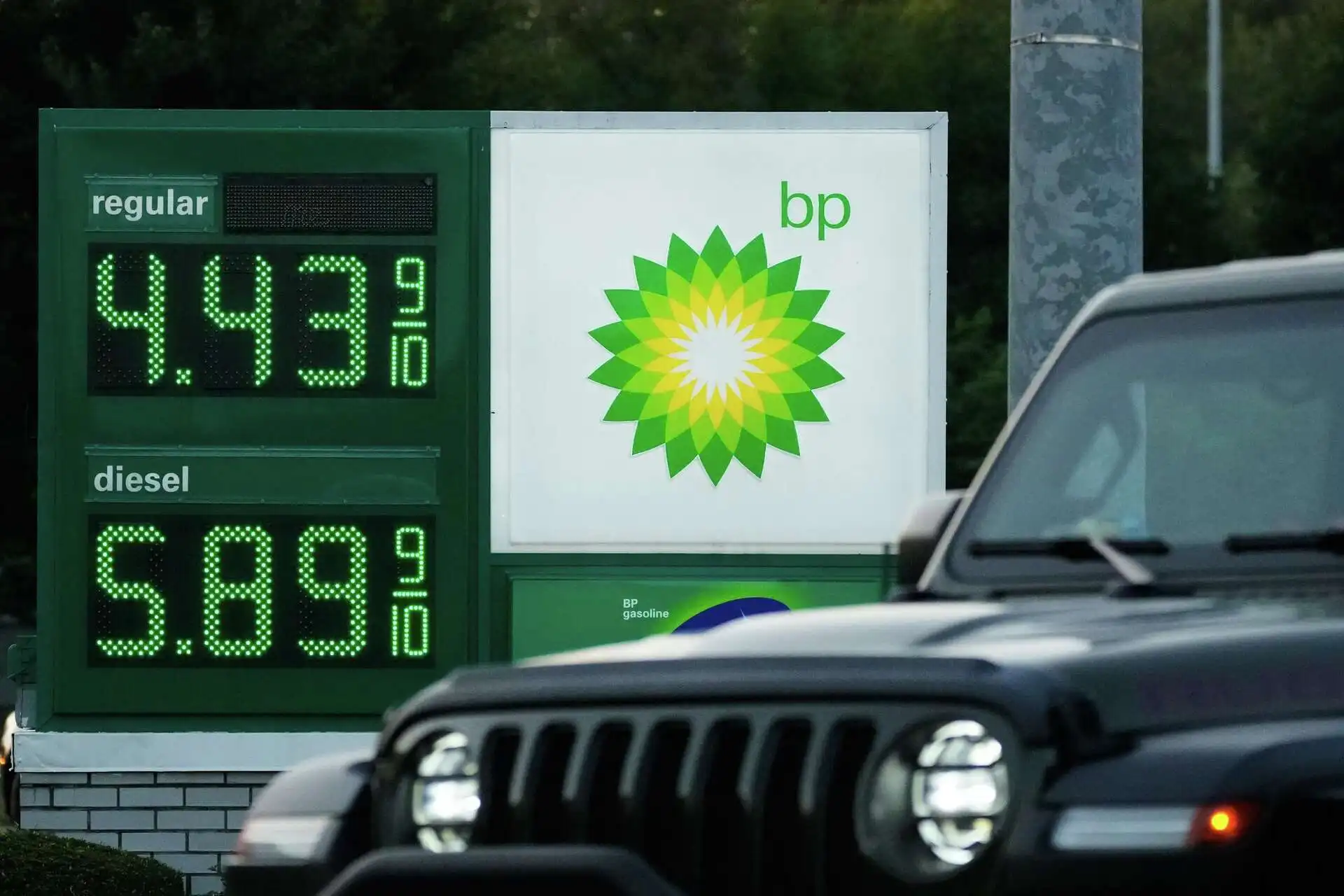
Diesel Prices Reach an All-Time High
The cost of filling up a diesel tank in the United States has never been higher. This week the national average reached $5.85 a gallon, eclipsing the previous record set in 2022 and marking the latest sign of how deeply the war with Iran has disrupted global fuel markets. Because diesel underpins so much of the country's freight network, the increase is expected to work its way into the price of everything from groceries to furniture in the months ahead.
What Is Driving the Surge
Diesel and gasoline are both refined from crude oil, and crude prices have climbed sharply since fighting broke out earlier this year. Tanker traffic through the Strait of Hormuz, one of the world's most important shipping lanes for oil, has been repeatedly disrupted, tightening global supply at a time when demand has not slowed. Brent crude, the international benchmark, has traded above $95 a barrel in recent sessions, up from roughly $70 before the conflict began, and pump prices have followed closely behind.
Diesel has climbed faster than gasoline for a simple reason: there are fewer ways to cut back on it. Drivers can adjust their habits when gas prices rise, but freight companies, farms and railroads have little choice but to keep buying diesel regardless of cost, which makes the fuel more sensitive to global supply shocks.
Trucking Industry Absorbs the First Hit
Freight haulers are typically the first to feel a diesel spike, since fuel is one of their largest operating costs. Smaller, independent operators in particular have limited ability to hedge against sudden price swings, and industry analysts have warned for much of this year that the strain would eventually be reflected in freight rates nationwide.
Diesel now averaging about $5.65 a gallon nationally.
That figure, from petroleum analysts tracking the market earlier this year, shows how quickly the latest jump has unfolded even from levels that were already historically high. Analysts have also noted that regional refining bottlenecks, particularly around the Great Lakes, have made some states' diesel prices even steeper than the national average.
From the Highway to the Grocery Aisle
Few sectors depend on diesel as heavily as food production. It fuels the tractors that plant and harvest crops, the fishing boats that bring in seafood, and the trucks and railcars that carry perishable goods to stores. Because fuel typically makes up a meaningful share of total food costs, sustained increases in diesel prices tend to show up first in items that require refrigerated, time-sensitive transport, such as fresh produce and seafood, before spreading more broadly across the grocery aisle.
Diesel is what moves the real economy.
Economic researchers tracking freight and food costs this year have pointed to a similar pattern: producer prices tend to rise before consumer prices catch up, meaning the full effect of this week's record diesel price may not be visible on store shelves for weeks or months. Many freight contracts and retailer margins initially absorb part of the increase, but as those agreements are renegotiated and fuel surcharges take hold, a larger share of the cost typically gets passed on to shoppers.
Businesses and Shippers Adjust
Major shipping and logistics companies have already begun adjusting their pricing to reflect higher fuel costs. Package carriers and online retailers have introduced temporary fuel surcharges on certain shipments this year, a step companies often take when energy costs rise faster than they can offset through routing efficiency or fleet upgrades. Smaller businesses that rely on regular deliveries, from restaurants to independent retailers, generally have far less room to absorb these added costs than larger firms with long-term shipping contracts.
Consumers Bracing for Sticker Shock
For everyday Americans, the impact of record diesel prices is likely to be felt gradually rather than all at once. Delivery fees, shipping charges and grocery prices tend to move in response to sustained fuel costs rather than day-to-day swings, meaning shoppers may not immediately connect a higher bill at the register to what is happening at the pump. Even so, household budgets already strained by several years of elevated inflation have little cushion left to absorb another round of price increases.
A Global Energy Squeeze
The pain is not confined to the United States. Countries more dependent on Middle East oil imports, particularly in parts of Africa and Asia, have seen even steeper diesel price increases since the conflict began, straining economies with far less capacity to absorb the shock than the United States. Energy analysts have pointed to strained global refining capacity as a key reason diesel supplies remain tight even as producers work to redirect crude shipments around disrupted trade routes.
Political Stakes as Midterms Approach
The timing carries political weight. Rising fuel and grocery costs have become a recurring flashpoint in public opinion on the economy, and polling this year has shown a majority of Americans expressing dissatisfaction with how the current administration has managed economic conditions. Administration officials have argued that near-term pain at the pump is a necessary cost of confronting Iran, while critics counter that the war itself is a major driver of the price spike. Both the economic and political consequences are likely to remain intertwined as the conflict continues.
What Happens Next
Economists tracking the fuel market this year have forecast that inflation could climb further in the near term, with the ultimate trajectory hinging on how quickly shipping through the Strait of Hormuz normalizes and how fast damaged energy infrastructure can be rebuilt. Until then, businesses across the freight, agriculture and retail sectors are being advised to plan for elevated fuel costs rather than a quick return to pre-war pricing. For now, diesel's record run stands as one of the clearest economic signals of how a distant conflict can quickly become a kitchen-table issue for American households.