A narrow path for both parties
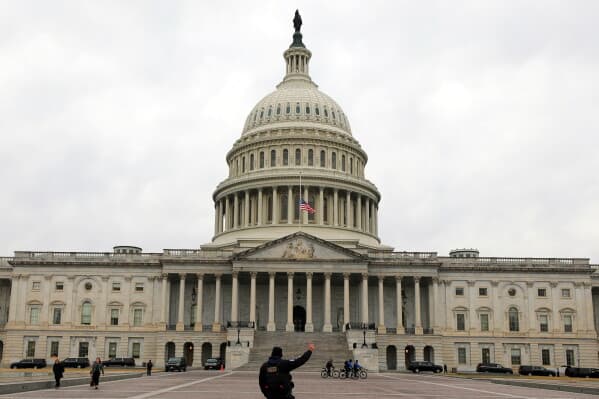
With roughly ten weeks left before Election Day, the fight for control of Congress has narrowed to a small list of districts and states that will decide whether Republicans keep their governing majority or Democrats claw back power for the back half of President Trump's second term. Every one of the 435 seats in the House of Representatives is on the ballot, along with 35 of the 100 Senate seats, and both parties agree that the outcome will hinge on a surprisingly compact map.
Nonpartisan election forecasters currently rate fewer than thirty House districts as genuinely competitive, a reflection of how few swing seats remain after years of redistricting that packed most voters into safely red or blue territory. Even so, both parties say that narrow universe is enough to flip the chamber given how thin the current majority is.
Money pouring into a handful of states
Campaign finance filings show fundraising running well ahead of the pace set during the last midterm cycle, with outside groups aligned with both parties now spending heavily in states like Michigan, Pennsylvania, North Carolina and Arizona. Michigan in particular has become an early flashpoint, with the state's trade ties to Canada complicating messaging for candidates in both parties as tariffs and cross-border commerce dominate town halls.
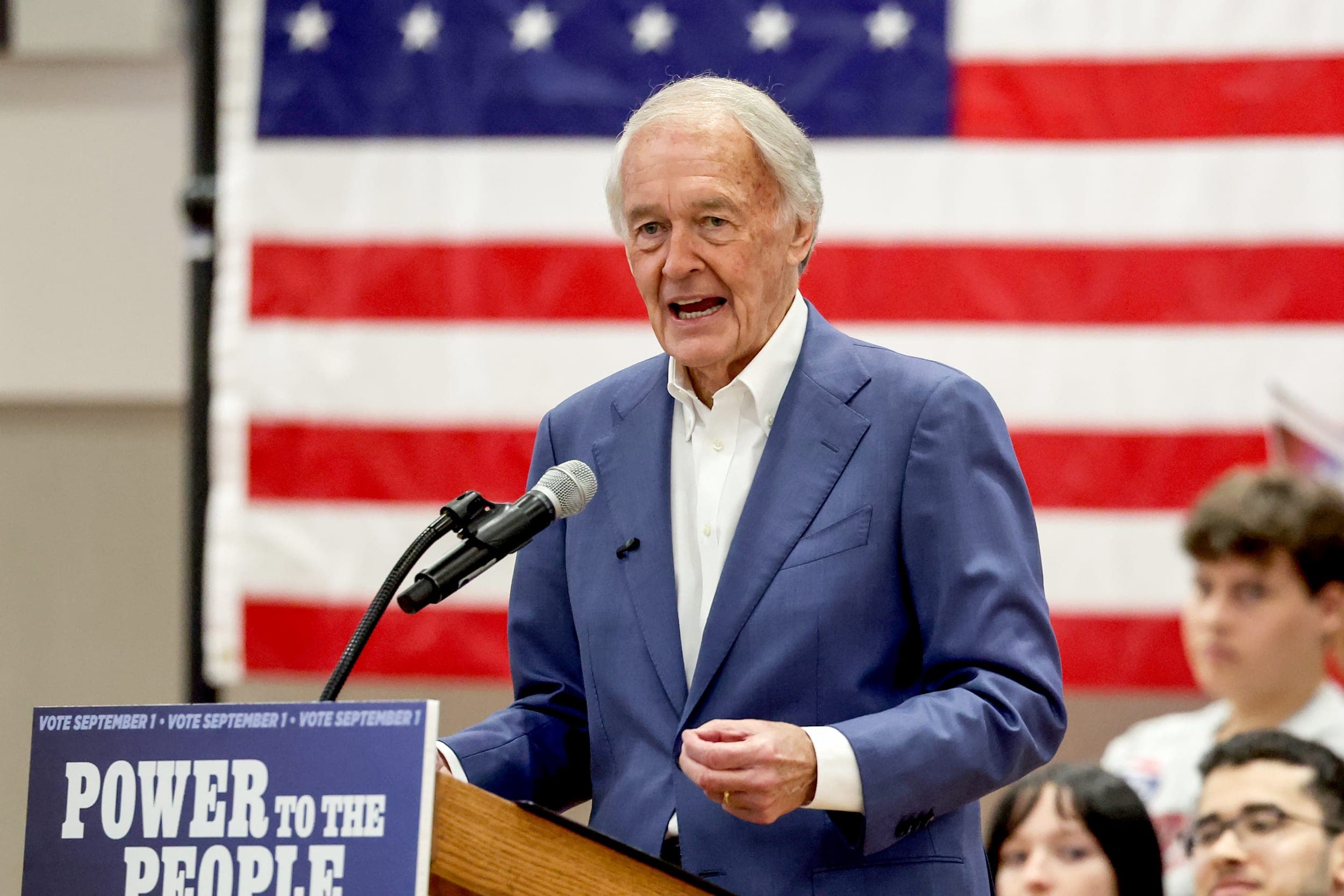
Senate Democrats, who are defending a difficult map, notched a notable result late last month when longtime Massachusetts Senator Ed Markey turned back a primary challenge from a younger House colleague who argued the party needed generational change. The result suggested that, at least in deep-blue states, incumbency and institutional support still count for more than age-focused messaging, even as national polling shows widespread voter appetite for newer faces in Washington.
Turnout and enthusiasm remain wildcards
Pollsters caution that the biggest uncertainty this cycle is not which way persuadable voters will break but whether each party's base turns out at all in a non-presidential year. Republican strategists point to the president's efforts to keep his coalition engaged through rallies and social media, while Democratic operatives are betting that frustration over the cost of living and health care premiums will be enough to drive turnout without a presidential race atop the ticket.
A recent national poll found that a majority of Americans do not believe the current Congress, one of the oldest in the country's history, is adequately focused on the problems voters care most about, from grocery and housing costs to the availability of good-paying jobs. That disconnect, analysts say, could cut against incumbents of both parties in close races.
What happens after November
Whichever party wins the House will effectively control the pace of legislation for the remainder of the president's term, from spending bills to oversight investigations. A Democratic majority would almost certainly slow the administration's legislative agenda and open the door to committee investigations, while a Republican majority would let the White House continue pushing its priorities largely unimpeded. With primaries still wrapping up in several states this month, both parties say the character of the general election campaign will start to come into focus by early October, leaving candidates in the most competitive districts only a few weeks to make their final case to voters.
The Senate map favors Republicans, on paper
The Senate landscape looks somewhat different from the House, where Democrats need a net gain of only a handful of seats to reclaim the majority. In the Senate, the map of states holding elections this cycle tilts more favorably toward Republicans, forcing Democratic strategists to defend several seats in competitive territory while searching for a narrower set of pickup opportunities in states where demographic or political shifts have made once-safe Republican seats more competitive than they were a decade ago.
Both national party committees have already begun moving television advertising reservations into the final phase of the campaign, with total spending projected to surpass previous midterm records once outside spending from political action committees and issue-advocacy groups is included. Campaign finance analysts say the sheer scale of money flowing into a small number of races could make this the most expensive non-presidential election cycle in American history, underscoring just how much both parties believe is riding on the outcome.