A grid overwhelmed by speculative requests
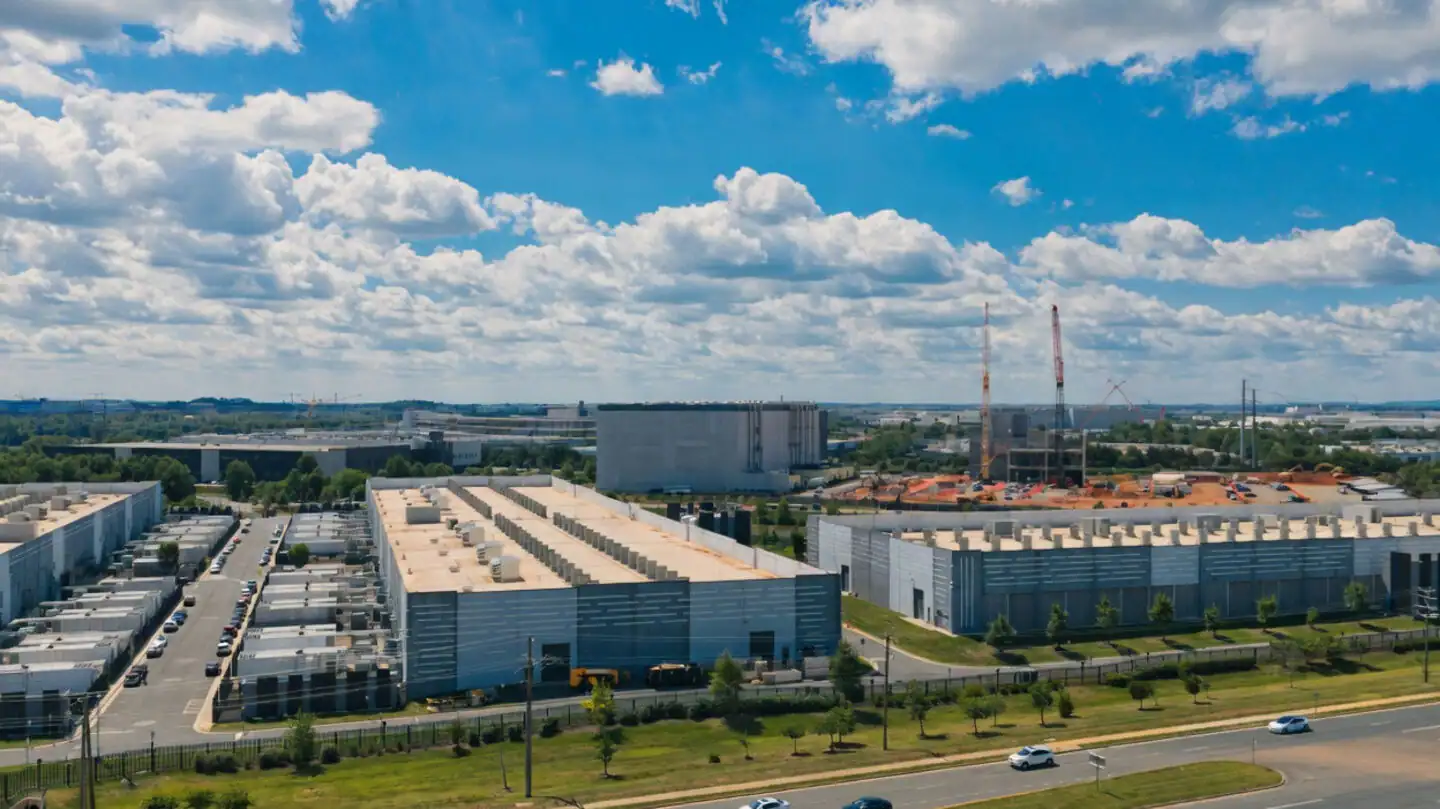
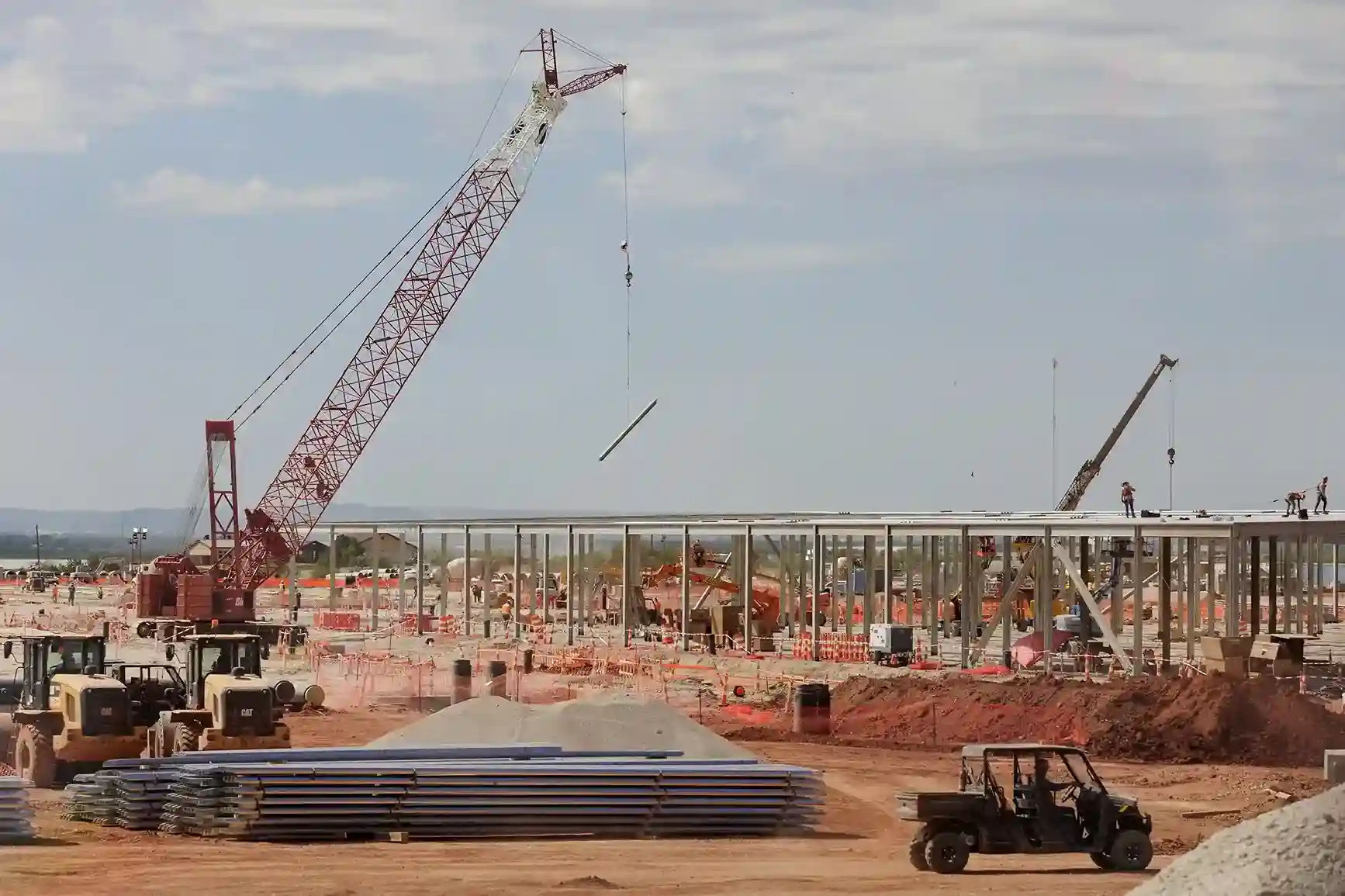
Texas grid officials have moved to freeze new large-load power connection requests from data center developers after a surge in what grid planners have started calling ghost demand, speculative or duplicated requests for enormous amounts of future electricity capacity that have made it nearly impossible to plan the state's grid infrastructure with any confidence. The freeze reflects a growing tension nationally between the explosive growth of AI-driven data center construction and the far slower pace at which physical grid infrastructure can realistically expand.
Developers seeking to build large AI training and inference facilities routinely file interconnection requests with grid operators well before a project's location, financing or even underlying technology is finalized, often submitting multiple overlapping requests across different sites as they shop for the most favorable combination of land, power availability and incentives. That practice has ballooned the total requested capacity in the state's interconnection queue to a level several times larger than what grid planners believe will ultimately be built.
Why it matters for planning
Grid operators say the inflated queue makes it extremely difficult to determine how much new generation capacity, transmission infrastructure or grid-stabilizing investment is actually needed, since committing resources based on inflated demand projections could result in costly overbuilding, while underestimating real demand could lead to reliability problems as legitimate projects come online. The freeze is intended to give planners time to implement new screening requirements designed to distinguish serious, financially committed projects from speculative placeholders.
Texas has become one of the most attractive states for data center development due to its relatively deregulated energy market, abundant land and historically fast permitting timelines, making it a particularly acute example of a challenge grid operators are grappling with nationally as AI infrastructure investment accelerates. Utility regulators in several other states have signaled interest in adopting similar screening measures if the ghost demand problem continues to worsen.
Industry and community reaction
Data center developers with legitimate, financially committed projects have expressed frustration that the freeze could delay their own timelines even though their requests are not part of the speculative demand causing the underlying problem, and several industry groups are pushing for the new screening criteria to be implemented quickly and transparently to minimize disruption to committed projects. Local communities near proposed data center sites, meanwhile, have raised separate concerns about water usage and the potential for rising electricity costs being passed on to residential ratepayers.
State energy officials say they expect the freeze to remain in place only until updated interconnection screening rules are finalized, a process they hope to complete within the coming months given the scale of investment at stake across the state's rapidly growing data center sector. How Texas resolves the standoff is likely to be closely watched by grid operators in other states facing similar pressure as the AI infrastructure boom continues reshaping electricity demand projections nationwide.
Ratepayers watch closely
Consumer advocacy groups have pushed for the new screening rules to include explicit protections ensuring that the enormous cost of new transmission and generation infrastructure built to serve large data center customers is not disproportionately shifted onto residential electricity bills. Texas regulators have said they are considering rate structures that would require large industrial customers, including data centers, to bear a greater share of infrastructure costs tied directly to their own demand rather than spreading those costs broadly across the entire ratepayer base.
Economists who study electricity markets say the ghost demand phenomenon is likely to persist in some form as long as data center development remains highly competitive and site selection decisions continue to be made years ahead of a facility's actual completion. Some industry groups have proposed standardized deposit or penalty structures for withdrawn interconnection requests as a way to discourage speculative filings without slowing down genuinely committed projects, an idea Texas regulators say they are actively evaluating as part of the broader rule-making process now underway.