A pledge to come home
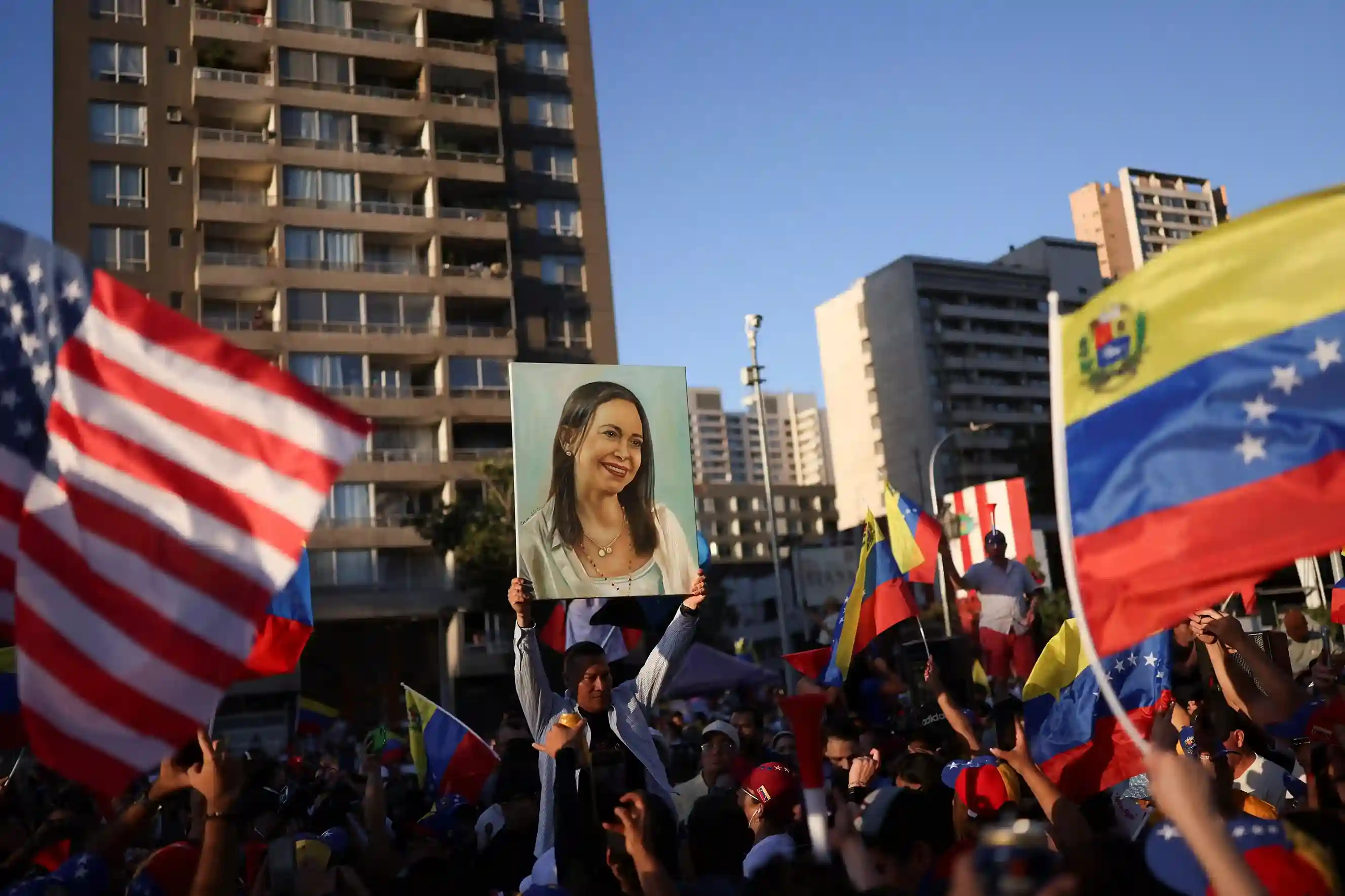
Venezuela's most prominent opposition figure, Nobel Peace Prize laureate Maria Corina Machado, has announced plans to return to her home country before the end of the year and to seek the presidency once again. Speaking to a gathering of fellow opposition leaders in Panama City, Machado said her coalition remains committed to what she called a democratic transition achieved through free and fair elections in which Venezuelans both inside and outside the country would be able to vote.
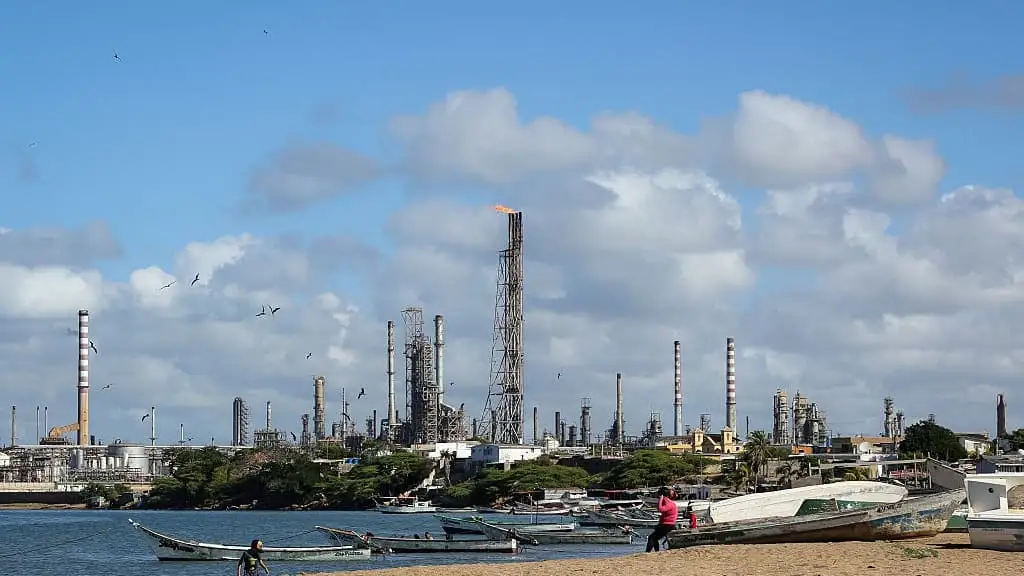
Her announcement comes at a pivotal moment for Venezuela, which has been governed by a transitional administration since the US military's capture of longtime leader Nicolas Maduro earlier this year. Acting President Delcy Rodriguez, a former Maduro loyalist, has since moved to open the country's oil sector to American investment, most notably through a sweeping new energy agreement announced by President Trump.
I will be a candidate, but there may be others, of course, Machado told reporters gathered in Panama City.
A long and difficult road to this point
Machado's political journey has been anything but smooth. She was barred by the Maduro government from appearing on the ballot during the disputed 2024 presidential election, a decision that forced her to back an alternate candidate, retired diplomat Edmundo Gonzalez Urrutia, in her place. She later spent nearly a year in hiding inside Venezuela before slipping into exile in December, at which point she traveled to Norway to formally accept her Nobel Peace Prize.

Her return announcement also comes months after a striking political snub: the White House chose to sideline Machado in favor of working directly with Rodriguez's transitional government following Maduro's capture, a decision that surprised many of Machado's international supporters given her long-running effort to build a relationship with the Trump administration.
An uncertain electoral timeline
Machado told reporters that organizing an election meeting international democratic standards would likely take between seven and nine months, citing the need for neutral electoral authorities, updated voter rolls, and guarantees that opposition candidates could campaign without government interference. Under Venezuela's constitution, a new presidential election is technically required within thirty days of a sitting president becoming permanently unavailable, but the Trump administration has so far shown little urgency in pushing for a firm election date.
Analysts who track Venezuelan politics say Machado's announcement is as much about maintaining political relevance and pressure on Washington as it is a concrete electoral plan, given how much remains unresolved about the country's institutional future. Still, her declared intention to physically return to Venezuela, after years spent either hiding or living abroad, marks a significant personal and political risk that supporters say underscores her commitment to the movement she has led for more than a decade.
What to watch
With Venezuela's oil wealth now increasingly entangled with US foreign policy and Rodriguez's government continuing to govern without a clear electoral mandate, Machado's push to reenter the political arena adds a new layer of uncertainty to a country still working out what a post-Maduro future actually looks like.
Regional analysts note that Machado's announcement also puts renewed pressure on the Trump administration to clarify its long-term position on Venezuela's political future, given that Washington has so far prioritized securing energy agreements with the transitional government over pushing for a firm election timeline. Whether the administration ultimately backs Machado's candidacy, continues working primarily with Rodriguez's government, or attempts some middle path remains one of the more closely watched open questions shaping US policy toward Venezuela in the months ahead. Machado has said she plans to spend the coming months building international support for her return, meeting with sympathetic governments and human rights organizations in an effort to secure guarantees for her personal safety once she sets foot back on Venezuelan soil, a step her advisers describe as carrying real and unresolved risk.