A historic claim
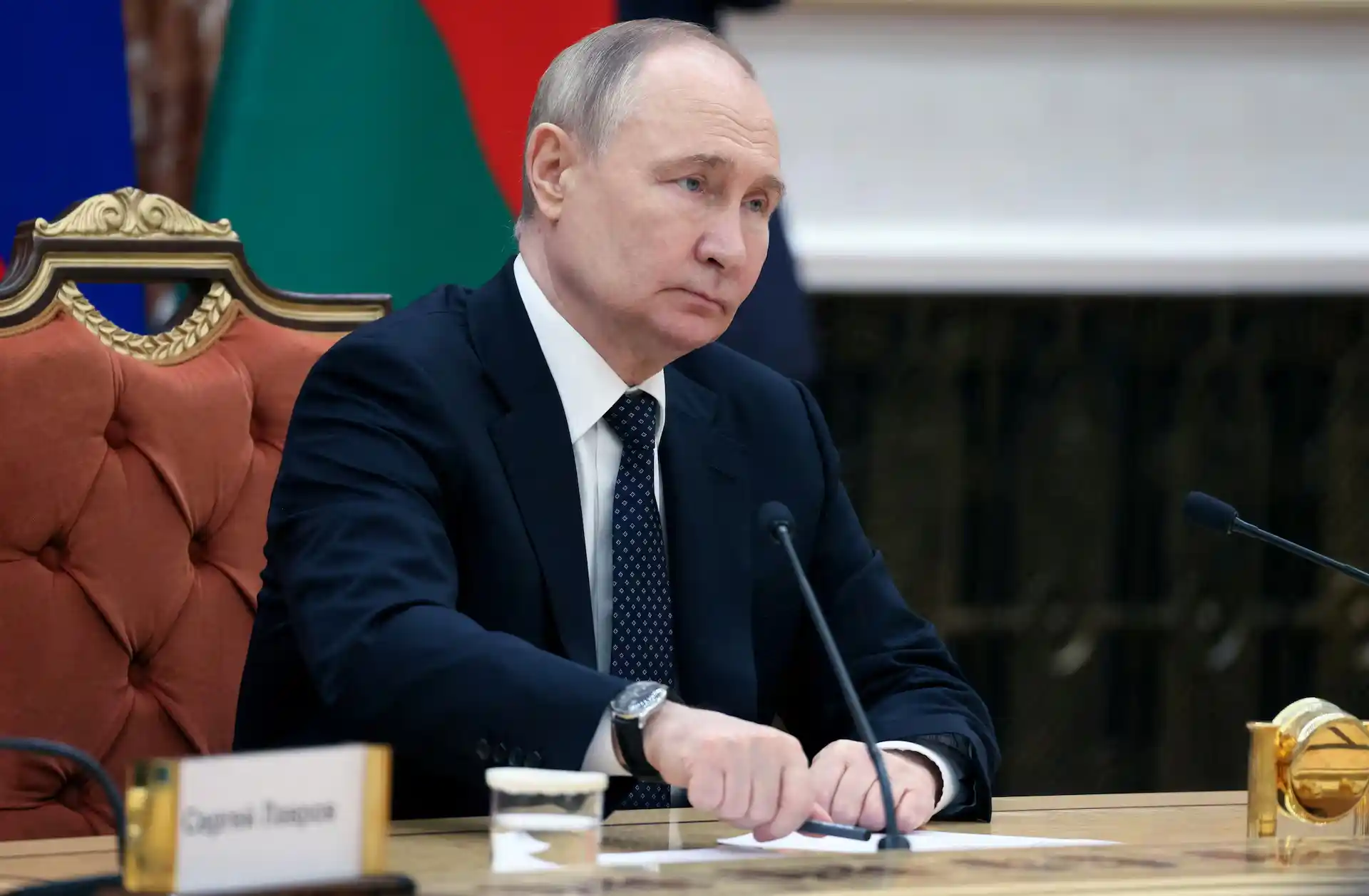
President Donald Trump announced late last week that the United States has struck what he called the biggest oil agreement in world history, securing majority American control over 65 billion barrels of Venezuela's proven crude reserves. The president made the announcement in a social media post, crediting Secretary of State Marco Rubio and Secretary of War Pete Hegseth with negotiating the arrangement directly with Venezuela's interim leadership.
According to the White House, the deal was struck with acting Venezuelan President Delcy Rodriguez, who took over the country's leadership earlier this year following the US military's capture of longtime ruler Nicolas Maduro. Trump said the agreement comes at no cost to American taxpayers and would more than double the nation's accessible oil reserves, framing it as a cornerstone of his broader energy strategy heading into the midterm elections.
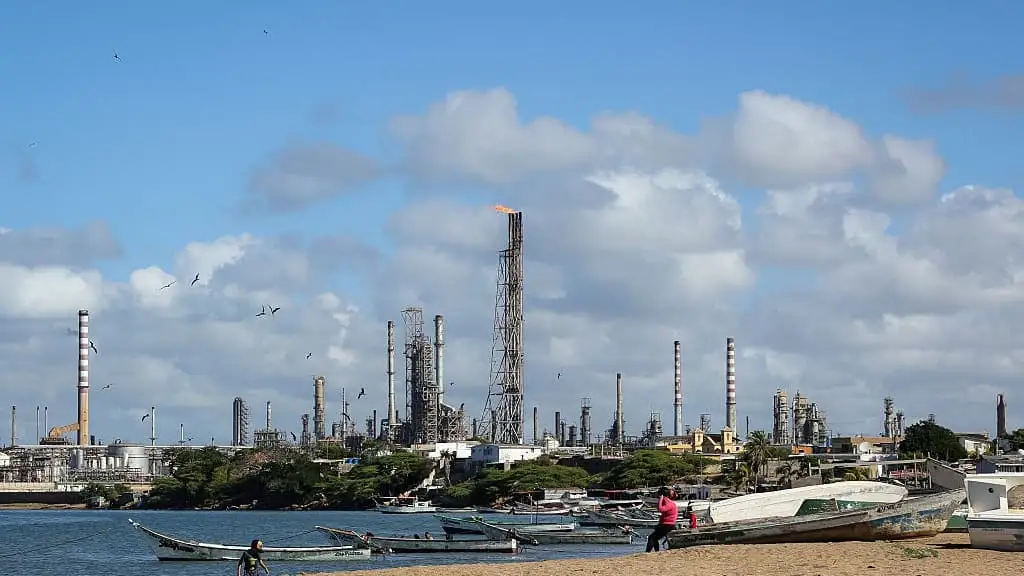
Venezuela sits on one of the largest known oil reserves on the planet, though years of underinvestment have left much of that capacity untapped.
What the agreement actually includes
Rodriguez's government described the arrangement as covering the development of seventeen strategic oil fields with a combined proven potential of 65 billion barrels. Officials in Caracas say the plan calls for a newly formed private company, jointly backed by American and Venezuelan interests, to hold development rights to those fields for a period of one hundred years. In exchange, Venezuela's government is projecting more than 100 billion dollars in fresh investment and over 200 billion dollars in eventual tax revenue.
Venezuela sits on one of the largest known oil reserves on the planet, though years of underinvestment and crumbling infrastructure have left much of that capacity untapped, with the country currently producing only a small fraction of what geologists say lies beneath its soil. Analysts note that unlike frontier exploration elsewhere in the world, Venezuela's reserves are already well mapped, meaning the primary obstacle to increased output has been capital and equipment rather than uncertainty about where the oil actually is.
Political pressure at home
The timing of the announcement is no accident. Trump has faced mounting criticism over gasoline prices that have hovered above four dollars a gallon for months, a consequence in part of the ongoing military standoff with Iran that has disrupted shipping through the Strait of Hormuz. With midterm elections less than ten weeks away, the administration has been eager to show voters a concrete plan for bringing down costs at the pump, and officials argued Friday that expanded access to Venezuelan crude would help stabilize prices for American drivers over time.
Skeptics, including energy economists and several Democratic lawmakers, have cautioned that the practical impact on prices could take years to materialize given the scale of investment needed to rebuild Venezuela's aging oil infrastructure. No formal text of the agreement had been released publicly as of Sunday evening, and several details, including exactly which private operator would partner with the new joint venture, remained unclear.
A shifting regional landscape
The deal also marks a striking turnaround in US-Venezuela relations less than a year after American forces captured Maduro and installed a transitional government. Rodriguez, in a statement posted to social media, predicted the agreement would have what she called a significant impact on her nation's economic revival, while critics inside Venezuela's opposition movement questioned whether ordinary citizens would see meaningful benefits from a deal negotiated so quickly and with so little public transparency.
For now, the agreement stands as one of the most consequential moves yet in Washington's evolving approach to Venezuela, one that ties America's energy security directly to the political future of a country still finding its footing after Maduro's decades-long rule.
Members of Congress from both parties have signaled they intend to press the administration for more detail once lawmakers return from recess, particularly around how the new joint venture will be structured and audited. Trade groups representing US oil services companies have also begun reaching out to gauge interest in supplying equipment and expertise for the anticipated rebuild of Venezuelan infrastructure, suggesting that even before a single new barrel reaches the market, the announcement has already started reshaping business planning across the domestic energy sector.