Diplomacy stalls
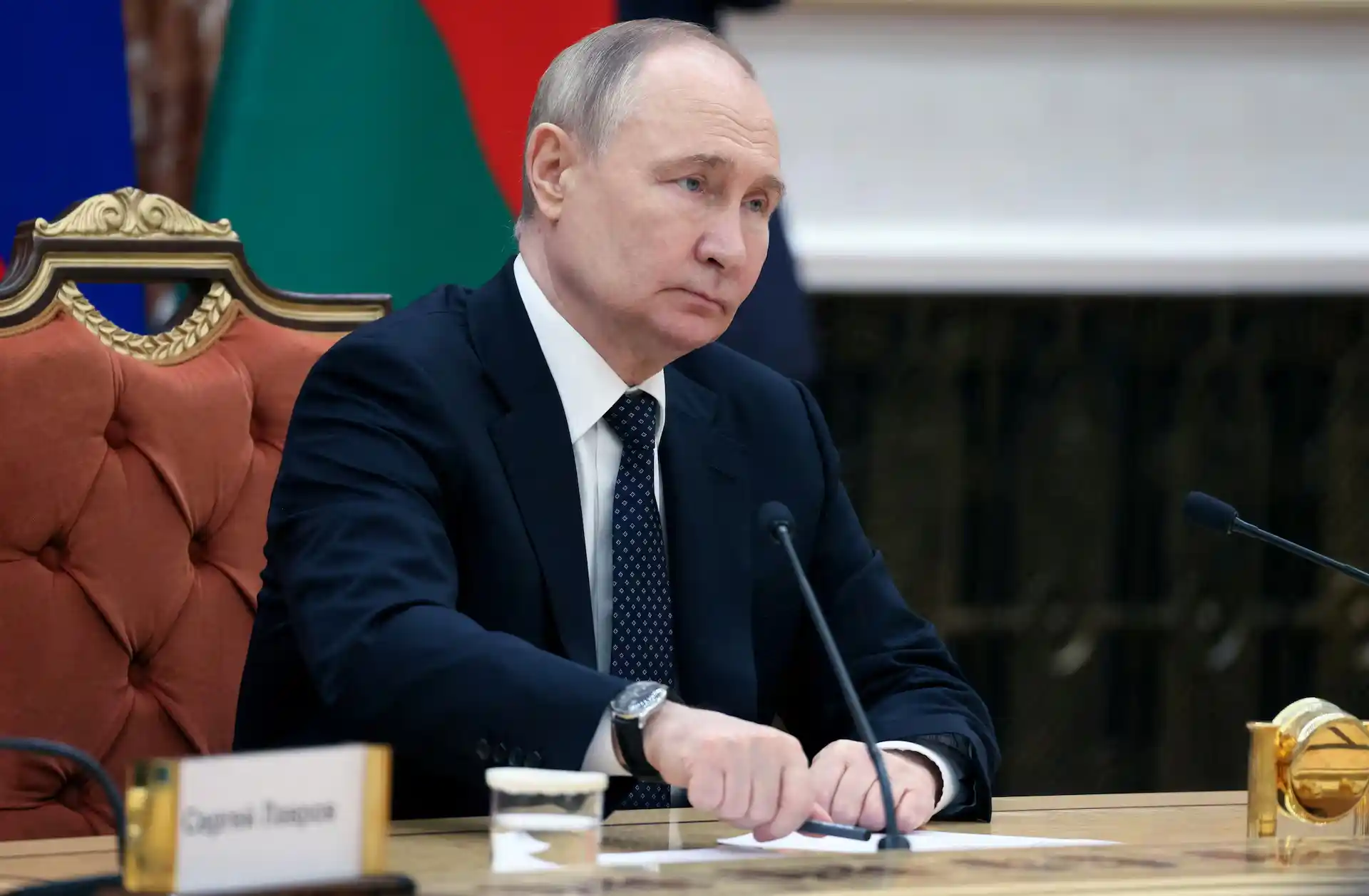
Hopes for a near-term breakthrough in the war between Russia and Ukraine dimmed further last week after a Kremlin spokesman said that peace negotiations between the two countries have entered what he described as a deep pause. Speaking to reporters, Dmitry Peskov said Russian forces were continuing to press forward with what Moscow still calls its special military operation, adding that troops were making gains along parts of the eastern front.
The remarks marked a noticeable shift in tone from earlier in the summer, when Kremlin officials had at least acknowledged that informal contact with American negotiators was ongoing. Peskov's comments came just as reports emerged that a senior US intelligence official had traveled to Moscow in an effort to push the Kremlin back toward the negotiating table, underscoring how fragile any remaining diplomatic channel has become.
As for peace talks, that topic is currently on a deep pause, the Kremlin spokesman told reporters.
A grinding conflict with no clear off-ramp
The renewed diplomatic freeze follows a year marked by fitful rounds of talks in Abu Dhabi, Geneva, and Florida, none of which produced a lasting ceasefire. Ukrainian officials have said they remain committed to a framework built around three pillars: an eventual ceasefire, the creation of a free economic zone, and security guarantees backed by both the European Union and NATO. Moscow, for its part, has continued to insist on retaining control over occupied territory in the Donbas region as a precondition for any serious settlement.
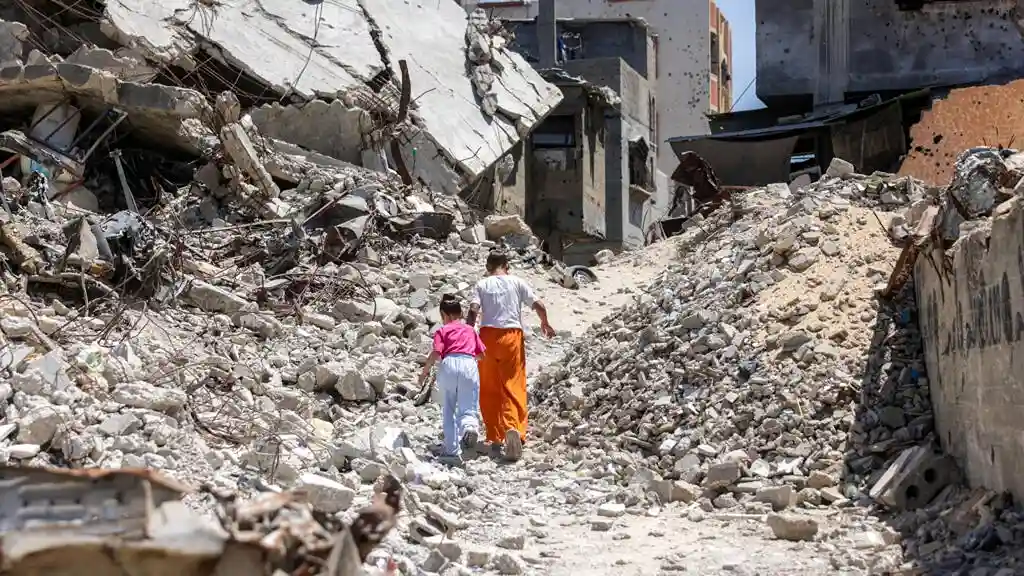
Meanwhile, the human cost of the war has continued to mount. Ukrainian emergency services reported fresh strikes on the northeastern city of Sumy in recent days, including a fire triggered by a nighttime Russian attack. Kyiv has continued to press Western partners for additional air defense systems, while Moscow has shown no public sign of scaling back its aerial campaign against Ukrainian infrastructure.
Washington's role
US Secretary of State Marco Rubio has said the coming weeks would be critical in determining whether talks between Moscow and Kyiv could resume at all, though he stopped short of predicting a breakthrough. Rubio met his Russian counterpart, Sergey Lavrov, earlier this summer and described the conversation as requiring what he called new ideas, a signal that previous proposals had largely run their course without gaining traction on either side.
Separately, a senior Vatican diplomatic envoy met with Lavrov this week in an attempt to keep some channel of dialogue open, according to diplomats familiar with the meeting. Whether that outreach amounts to more than a symbolic gesture remains to be seen, but it reflects the extent to which outside parties, from the Vatican to Gulf mediators, have stepped in to try to keep the process from collapsing entirely.
What comes next
For now, both sides appear to be settling in for a longer fight rather than a swift resolution. Ukrainian President Volodymyr Zelensky has continued to submit new proposals to Washington, according to people familiar with the discussions, even as Kyiv braces for what officials describe as an intensified Russian push before the onset of colder weather. Analysts who track the conflict say the coming months are likely to determine whether the war grinds toward a genuine negotiating window or settles into yet another prolonged stalemate.
European officials, who have provided the bulk of military and humanitarian support to Ukraine outside of the United States, have urged both Washington and Moscow to keep working toward some form of dialogue, warning that a prolonged freeze in talks risks emboldening further Russian advances before winter sets in. NATO members have continued discussing additional air defense commitments for Kyiv in the meantime, even as they acknowledge that battlefield conditions, not diplomatic pressure alone, are likely to shape whether either side sees real incentive to return to serious negotiations in the coming months.