The worst outbreak in a generation
The United States is on pace to record its highest number of measles cases in thirty years, according to public health officials tracking outbreaks across multiple states this year. Two children have died from complications related to the disease this season, marking the first pediatric measles deaths in the country in nearly a decade and underscoring how quickly a once nearly eliminated illness has returned to communities with insufficient vaccination coverage.
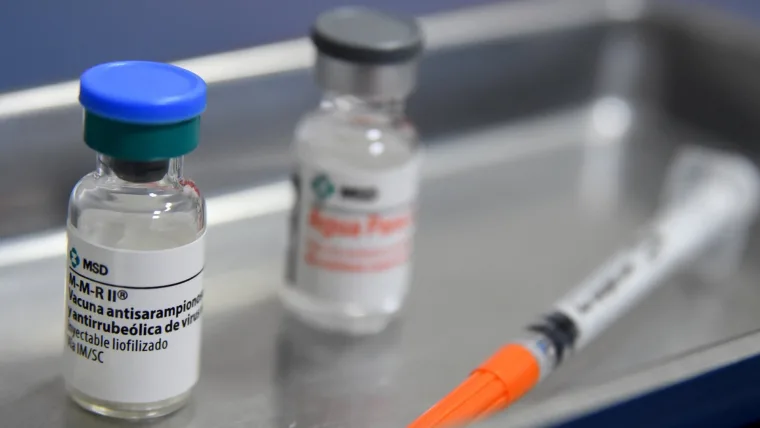
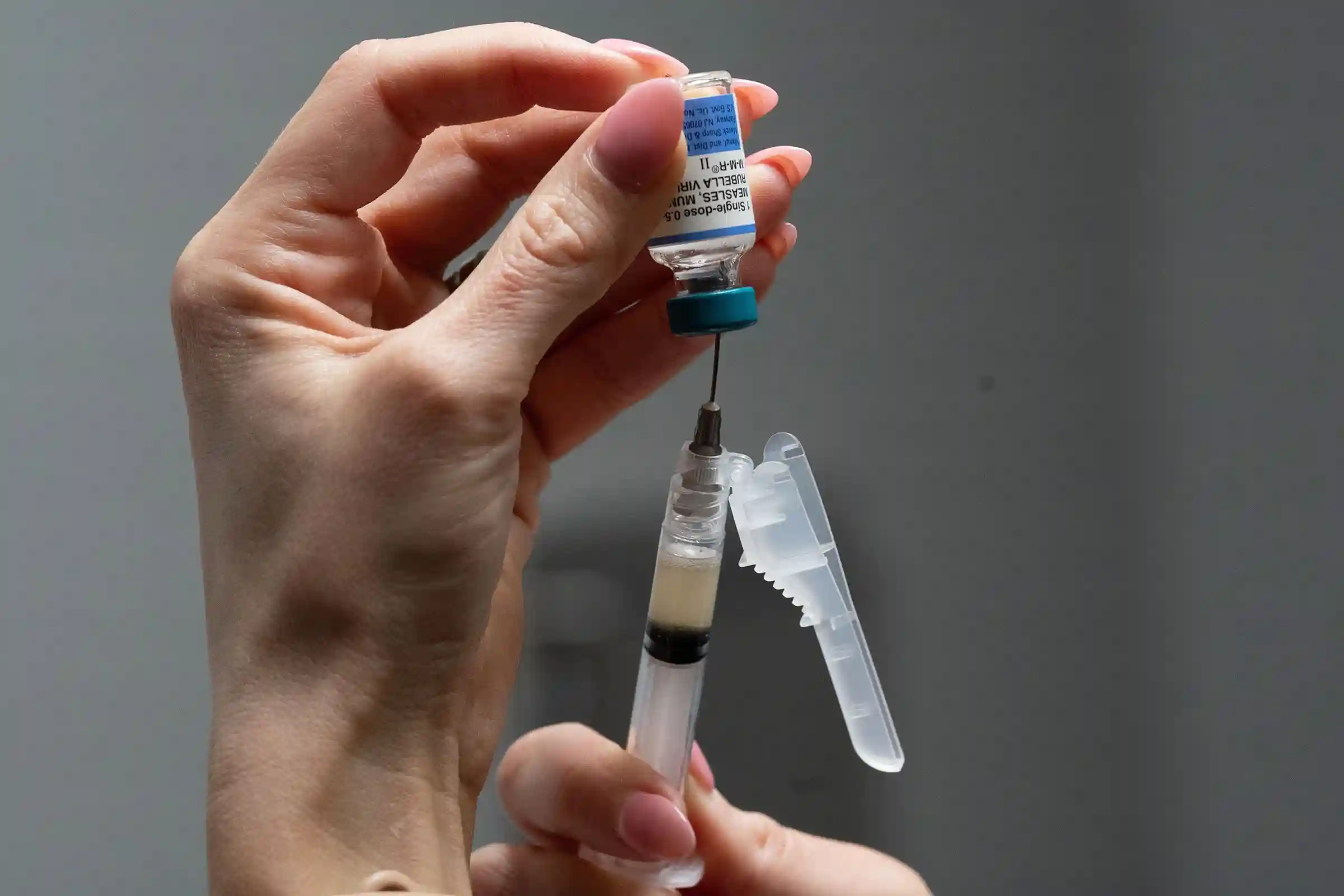
Measles was declared eliminated in the United States in 2000, a milestone reached after decades of high vaccination rates through the combined measles, mumps and rubella vaccine. That status has come under increasing strain in recent years as childhood vaccination rates have slipped in a growing number of counties, often falling below the roughly 95 percent threshold considered necessary to maintain herd immunity and prevent sustained community spread.
Where the outbreaks are concentrated
Health departments say the current wave has been concentrated in areas with historically lower vaccination uptake, often linked to closely knit communities where vaccine hesitancy has been building for years, as well as regions that have seen an influx of unvaccinated travelers from countries experiencing their own outbreaks. Once the virus reaches an under-vaccinated community, its extremely high transmissibility, one infected person can spread it to a dozen or more susceptible contacts, allows it to move quickly through schools, daycare centers and extended families.
Pediatricians describe measles as deceptively dangerous precisely because most Americans under sixty have never seen a case firsthand and may not recognize the early symptoms, which resemble a common cold before the characteristic rash appears days later. Complications can include pneumonia and encephalitis, and the disease remains a leading cause of death among young children globally in places with lower vaccination coverage.
A push to shore up vaccination rates
In response, several state health departments have launched targeted outreach campaigns aimed at communities with the lowest vaccination rates, including mobile vaccination clinics and partnerships with trusted local organizations to address specific concerns driving hesitancy. Federal health officials have faced criticism from some medical groups for what they describe as inconsistent public messaging about vaccine safety, even as the Centers for Disease Control and Prevention continues to recommend the standard two-dose measles vaccination schedule for children.
Physicians say the current outbreak offers a stark illustration of how quickly public health gains can erode once vaccination coverage slips below critical thresholds, even in a country with otherwise robust health infrastructure. With the school year now underway across most of the country, health officials are watching closely for signs of new clusters emerging in classrooms, warning that the coming months will be a critical test of whether the current outbreak can be contained before it grows further.
What parents are being told
Pediatric associations have renewed calls for parents to check their children's vaccination records ahead of the school year and to consult a doctor promptly if a child develops a fever accompanied by a spreading rash, particularly after travel or contact with a known case. Doctors emphasize that the vaccine remains highly effective, with two doses providing close to full protection, and that the overwhelming majority of hospitalizations this season have occurred in unvaccinated individuals. Public health experts say restoring vaccination confidence will take sustained, community-level engagement rather than a single national campaign, a process they acknowledge could take years even as the immediate outbreak is brought under control.
Schools brace for a difficult year
School nurses in several affected districts say they have already fielded a noticeable increase in calls from worried parents since the school year began, and some districts have sent home updated exposure protocols reminding families of state requirements for vaccination or formal exemption documentation. Health departments say close coordination with schools has historically been one of the most effective tools for containing outbreaks quickly, since rapid identification of exposed, unvaccinated students allows for targeted quarantine measures rather than broader disruptions.
Public health officials caution that the true scope of the outbreak may not be fully understood for several more weeks, given the disease's incubation period and the lag between exposure and confirmed diagnosis. They are urging continued vigilance from both health care providers and the public as the school year progresses, saying the coming months will be pivotal in determining whether the current surge remains a contained, if serious, outbreak or evolves into a more widespread public health emergency.