A major setback for prediction markets
A federal appeals court dealt a significant blow to the fast-growing prediction market industry last week, ruling that individual states have the authority to regulate sports-related event contracts as a form of gambling. The 9th US Circuit Court of Appeals rejected requests from Kalshi and Crypto.com to block Nevada from shutting down their operations in the state, siding instead with Nevada's gaming regulators in a unanimous decision.
The ruling centers on a long-running legal dispute over whether platforms like Kalshi, which let users trade contracts based on the outcome of sporting events, elections and other real-world happenings, should be treated as regulated financial derivatives overseen exclusively by the federal government, or as a form of gambling that individual states can police under their own laws.
The substance of the sports event contracts offered on Kalshi's platform is sports gambling, regardless of whether Kalshi calls them swaps, the court wrote in its opinion.
A split between federal courts
The 9th Circuit's decision stands in direct conflict with a ruling issued in April by the 3rd Circuit Court of Appeals, which sided with Kalshi in a separate dispute involving New Jersey regulators. That earlier ruling found that federal commodities law likely preempts state gambling statutes, allowing Kalshi to continue operating in New Jersey while its broader legal challenge played out. With two federal appeals courts now offering opposite interpretations of essentially the same legal question, most legal observers say the matter is all but destined for the Supreme Court.
The panel that issued last week's ruling consisted of three judges appointed by President Trump, a detail that has drawn attention given the administration's generally favorable posture toward the prediction market industry. Even so, the judges found that Nevada's gaming laws were not preempted by federal commodities regulation, concluding that the sports-related contracts at issue amounted to gambling in substance, regardless of the technical label Kalshi used to describe them.
What it means for the industry
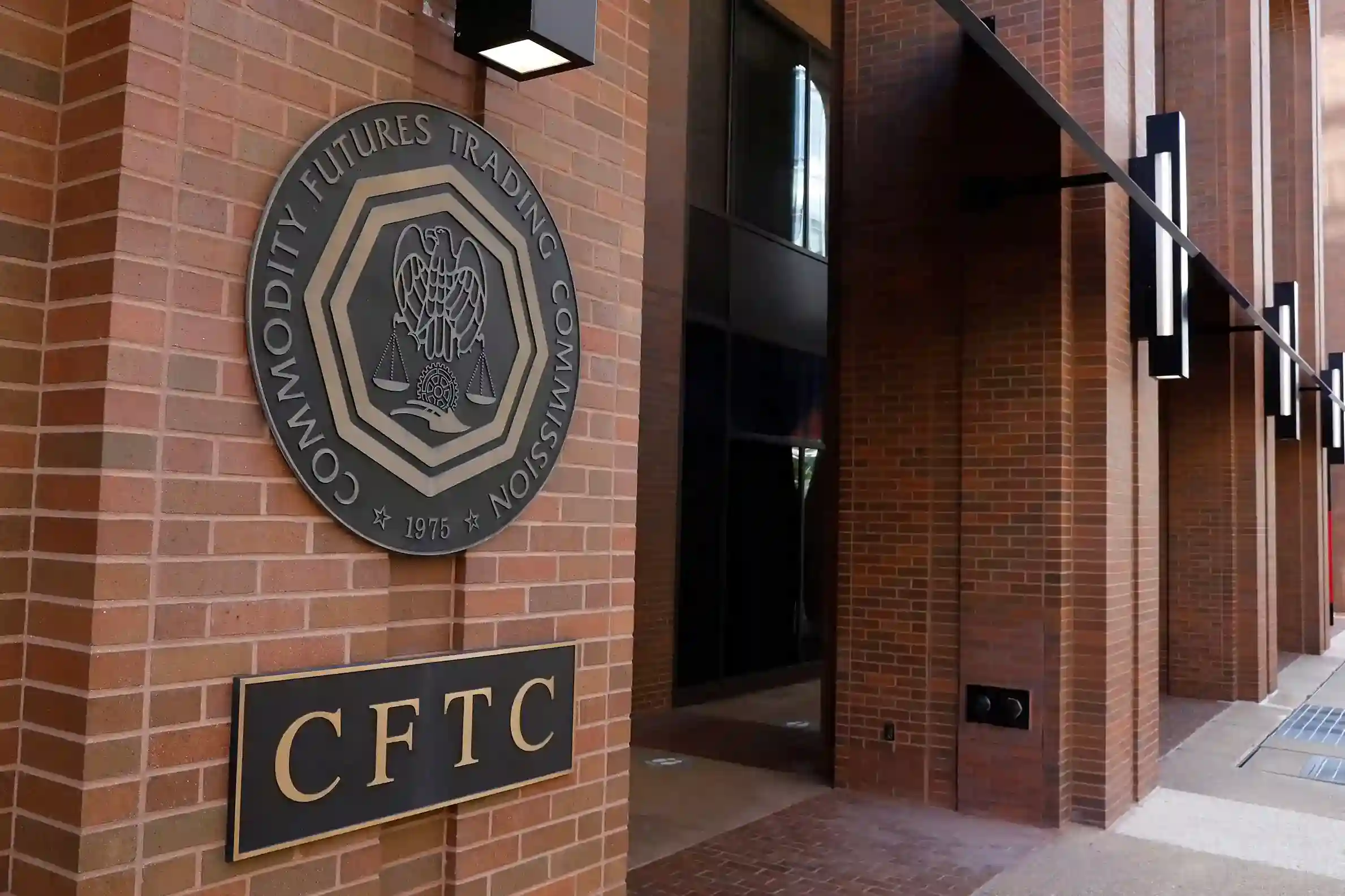
The Commodity Futures Trading Commission, which has generally supported the position that event contracts fall under exclusive federal jurisdiction, criticized the ruling, with a spokesman accusing the judges of misreading the underlying law. Robinhood, which also offers similar contracts to customers, said it plans to appeal the decision, while officials in Nevada praised the outcome as a vindication of the state's authority to protect consumers from unregulated gambling.
More than a dozen states are currently engaged in similar legal battles with prediction market platforms, and the 9th Circuit's ruling is now binding precedent for federal courts across California, Arizona and several other western states. That could pave the way for additional state-level crackdowns even as the broader legal question awaits a final resolution from the nation's highest court.
Looking ahead
With prediction markets having exploded in popularity over the past year, allowing users to wager on everything from sports outcomes to award shows to economic data releases, the stakes of the coming legal fight are considerable both for the companies involved and for the millions of Americans who have started using these platforms. For now, the industry faces a patchwork of conflicting rules that will likely persist until the Supreme Court steps in to settle the question once and for all.
Beyond the immediate legal questions, the ruling has drawn attention from mainstream sportsbooks and traditional casino operators, some of which have quietly lobbied state regulators to rein in prediction markets they view as unregulated competition operating outside the licensing and tax structures traditional gambling businesses must follow. Consumer advocates, meanwhile, have raised separate concerns about the rapid growth of prediction markets among younger users, arguing that regardless of how the legal question is ultimately resolved, stronger consumer protections may be needed given how quickly the platforms have scaled.