A storm unlike any other
More than two weeks after a violent derecho tore through northwest Indiana, the lights and air conditioners finally came back on this week for nearly all remaining residents of Gary, a Rust Belt city on the shore of Lake Michigan roughly twenty five miles southeast of Chicago. As of Wednesday evening, just over one hundred customers in the city of 69,000 were still without power, according to Northern Indiana Public Service Company, the region's dominant electric utility, commonly known as NIPSCO.
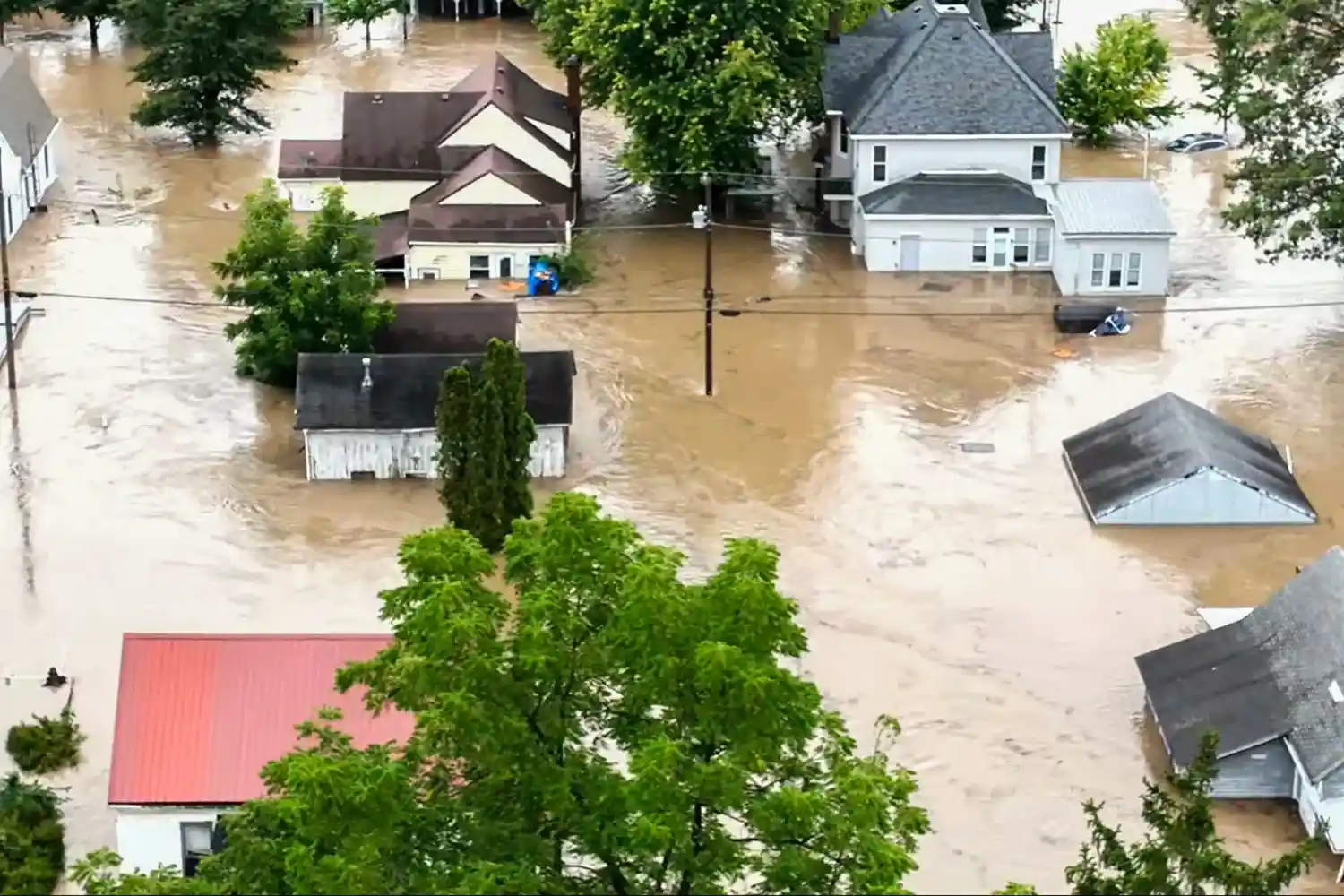
The storm that caused the damage struck on the morning of August 11, producing straight line winds between 70 and more than 100 miles per hour across parts of the Midwest. NIPSCO described the resulting damage as the worst in the company's known history, with roughly 80 percent of its customers, around 375,000 households and businesses, losing power at the height of the outage. A separate 26 mile long tornado, rated EF2 by the National Weather Service, also tore through parts of Illinois and Indiana during the same system, ripping off roofs and uprooting trees along its path.
The current pace of restoration is unacceptable, Gary Mayor Eric Melton said in an address as outages stretched into a second week.
Weeks of hardship for residents
For many Gary residents, the extended outage brought real hardship, especially amid the late summer heat. Some described sleeping in their cars with the air conditioning running just to stay cool, while others with medical conditions requiring powered equipment faced more serious risks. One longtime resident told reporters the experience reminded her of what she went through during Hurricane Katrina, describing the darkness as, in her words, too triggering, prompting her to temporarily relocate to stay with family in Indianapolis.
The slow pace of restoration also drew scrutiny given Gary's demographics, as the city is majority Black and among the poorer communities in the region. A resident of neighboring Porter County filed a lawsuit against NIPSCO in state court, seeking class action status on behalf of Indiana residents who experienced extended outages, and accusing the utility of negligence in its response.
A long, difficult repair effort
NIPSCO crews worked around the clock in the weeks following the storm, and the company said restoration efforts related to the August 11 event and subsequent weather were, in its words, substantially complete by late August, even as a limited number of individual outage cases remained under repair. Indiana Governor Mike Braun also weighed in publicly as the outages dragged on, adding pressure on the utility to accelerate its response.
By Wednesday, NIPSCO reported that fewer than 150 outages remained across its broader service territory, a dramatic improvement from the peak of the crisis but still a reminder of how disruptive a single severe storm system can be for a region's infrastructure. Utility regulators and local officials say they expect further scrutiny of NIPSCO's storm preparedness and response procedures in the weeks ahead.
State regulators have said they plan to open a formal review of NIPSCO's storm preparedness protocols once restoration efforts are fully complete, examining both the utility's tree-trimming and grid-hardening practices and its communication with residents during the outage. Advocacy groups in Gary have called for the review to specifically examine whether response times differed across neighborhoods, and utility officials have said they welcome the scrutiny as part of a broader effort to rebuild trust with customers after what NIPSCO itself described as the most severe storm damage in the company's history. Insurance adjusters have also fanned out across the affected neighborhoods in recent days, working through a backlog of storm-related property damage claims that residents say has compounded the frustration of the extended outage, even as the immediate crisis of restoring electricity finally nears its end.