Troops set to depart three major cities
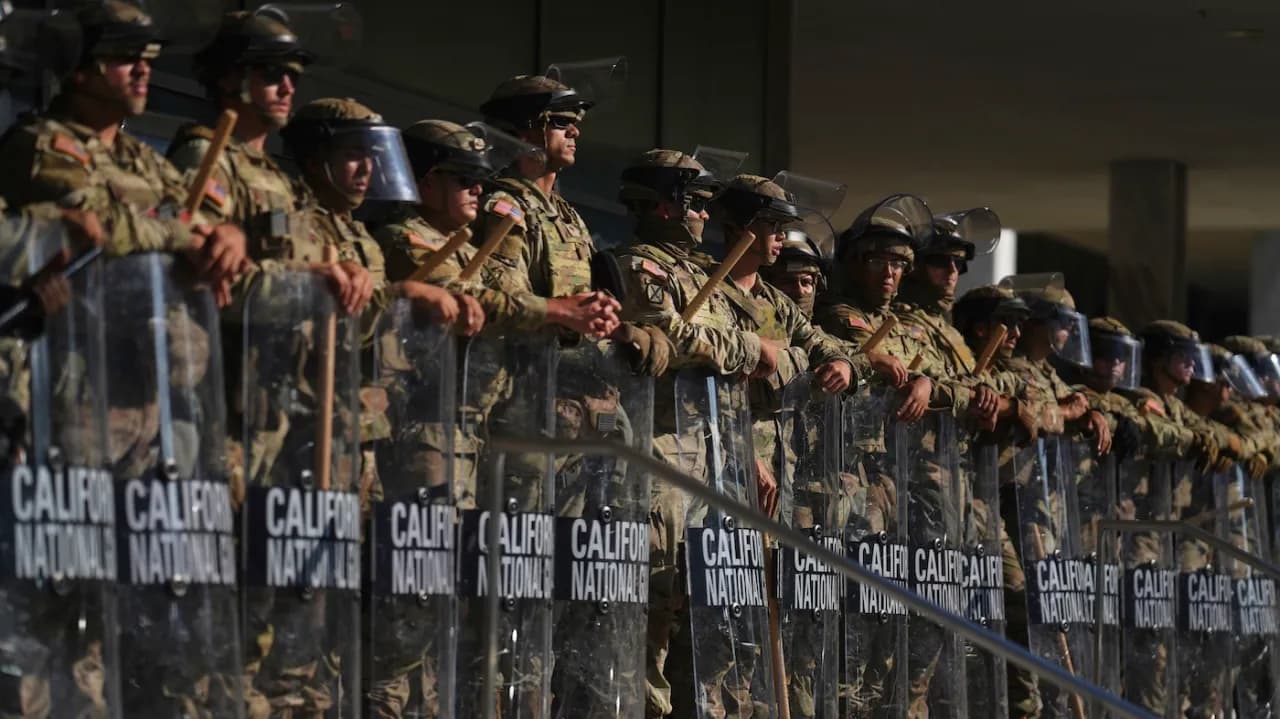
President Trump said this week that National Guard troops deployed to Chicago, Los Angeles and Portland would be withdrawn, ending one of the more contentious domestic deployments of his second term. The announcement came after months of legal challenges from city and state officials who argued the deployments amounted to federal overreach into local policing matters that fell outside the administration's authority.
The troops had originally been sent to the three cities under federal orders citing concerns about crime and unrest, drawing sharp objections from Democratic mayors and governors who said the moves were unnecessary and politically motivated. Federal courts had issued mixed rulings on the legality of the deployments, with some judges allowing them to continue pending appeal while others questioned whether the administration had properly justified invoking federal authority over units traditionally controlled by state governors.
Local leaders respond cautiously
Officials in all three cities welcomed the withdrawal but stopped short of declaring the matter fully resolved. Mayors in Chicago and Portland said they remained concerned that the administration could attempt similar deployments elsewhere without warning, and several state attorneys general indicated they would continue pursuing legal challenges aimed at limiting the president's ability to federalize National Guard units over the objection of state leadership.
The withdrawal comes as the administration has faced growing political pressure ahead of the midterm elections, with polling showing that a majority of voters, including many Republicans, expressed discomfort with using military personnel for domestic law enforcement functions typically handled by local police departments. Several vulnerable House Republicans in competitive districts had privately urged the White House to de-escalate the standoff before the fall campaign season intensified.
Legal questions remain unresolved
Legal scholars note that while the immediate deployments are ending, the underlying legal questions about the scope of presidential authority to deploy Guard troops domestically remain unsettled. Several of the lawsuits filed by city and state governments are still pending in federal appeals courts, and rulings expected later this year could set precedent for how future administrations, of either party, are able to use military resources within the country's borders.
For now, city officials say they are focused on ensuring a smooth transition back to local policing arrangements, while civil liberties groups are calling for congressional hearings to examine how the deployments were authorized in the first place. The episode is likely to remain a flashpoint in the broader debate over the balance of power between federal and local governments heading into a contentious midterm season.
Costs and lingering questions
Budget analysts note that the deployments carried a significant price tag, with the Pentagon spending tens of millions of dollars on lodging, transportation and overtime pay for Guard units activated for the missions. Some lawmakers on the House Appropriations Committee have asked for a full accounting of those costs, arguing that Congress was never given a clear estimate of how much the operations would ultimately cost taxpayers when they were first authorized.
City police departments, meanwhile, are working through logistics of resuming full responsibility for areas where Guard units had been stationed, a transition local officials say will take several weeks to complete without creating gaps in coverage. Community organizations that had criticized the deployments as heavy-handed said they would be watching closely to ensure the withdrawal is handled smoothly and does not simply shift enforcement responsibilities onto other federal agencies operating in the same cities.
National Guard units themselves, many of whom were activated for extended stretches away from their home states, are now being processed for return to normal drill schedules, according to state adjutant generals in the affected areas. Some Guard members told local reporters they were relieved to be heading home after months of uncertainty about how long the domestic mission would last, while acknowledging the deployment had given them a first-hand view of just how politically charged their role had become.