A sprawling document review
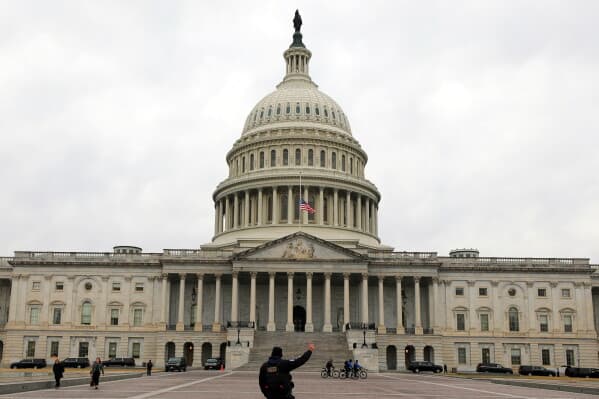
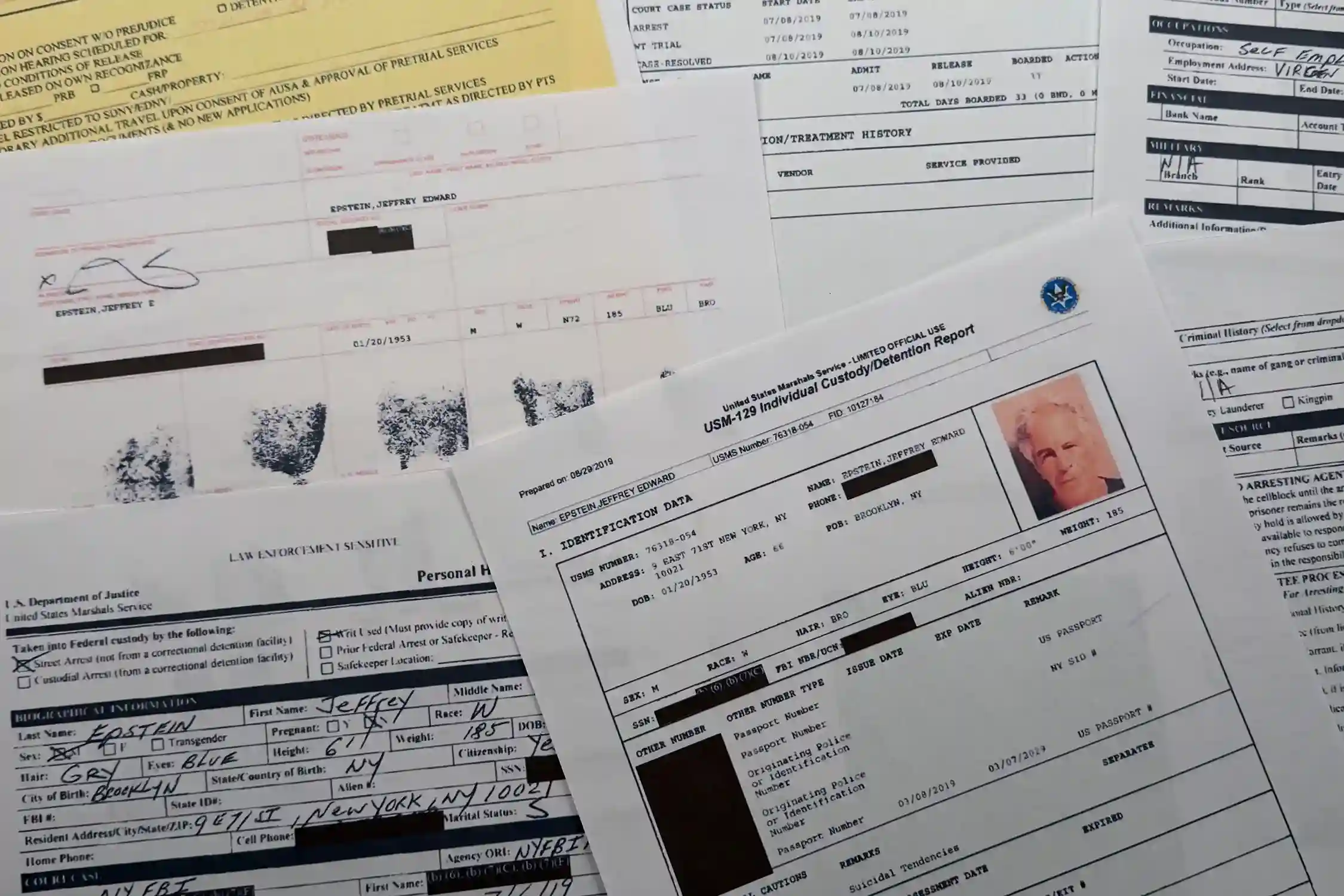
The Justice Department is working through more than five million pages of documents connected to the Jeffrey Epstein case, a review that has become a significant undertaking for department staff and a source of growing frustration among lawmakers who say the process has moved too slowly. The sheer volume of material, which includes financial records, communications and investigative files gathered over multiple inquiries, has made a comprehensive public release logistically complicated even as political pressure for transparency intensifies.
Members of both parties on the House Judiciary Committee have pressed department officials for a timeline on when a fuller accounting might be made public, with some lawmakers arguing that redactions have gone beyond what is necessary to protect victims' identities or ongoing investigations. The committee recently released video and a transcript of a deposition from a former special counsel as part of its broader push for accountability, though officials caution that document remains only one piece of a much larger record.
Bipartisan frustration, different motivations
While lawmakers from both parties have expressed impatience with the pace of disclosure, their underlying motivations differ. Republican members have focused scrutiny on how the initial investigation was handled by prior administrations, while Democratic members have raised questions about whether powerful individuals connected to Epstein have received preferential treatment throughout the review process. That divergence has occasionally complicated efforts to reach consensus on exactly what should be released and on what timeline.
Justice Department officials have said publicly that they are committed to releasing as much material as legally possible while protecting victims and preserving the integrity of any related prosecutions still underway. Privately, officials familiar with the review describe a painstaking process of cross-referencing documents against grand jury secrecy rules, victim privacy protections and classification requirements that cannot simply be waived by executive order.
What comes next
Advocacy groups representing survivors have called for an independent oversight mechanism to ensure the review does not stall indefinitely, while some lawmakers have floated legislation that would set statutory deadlines for the release of specific categories of documents. The Justice Department has not committed to a firm public deadline, though officials have indicated that further tranches of material could be released on a rolling basis in the coming months.
For now, the review remains one of the most closely watched ongoing matters in Washington, drawing attention not just for what it might reveal about the original case but for what it suggests about the department's willingness to operate transparently under political pressure from multiple directions at once. Congressional aides say additional hearings are likely once lawmakers return from recess, with the pace of document releases expected to remain a recurring flashpoint through the rest of the year.
Survivors push for a seat at the table
Attorneys representing several survivors connected to the case have asked to be consulted directly on redaction decisions, arguing that decisions about what stays private should not be made solely by government lawyers without input from the people most affected. Some survivors have said publicly that they support a full release of relevant material, provided their own personal information remains protected, while others have expressed concern that a rushed release driven by political pressure could inadvertently expose details they never intended to become public.
Media organizations that have filed public records requests for portions of the file say they expect further litigation regardless of how the department proceeds, given the scale of public interest and the competing demands for both transparency and privacy. Legal analysts say courts will likely play a continuing role in resolving disputes over specific documents even after the department completes its internal review, meaning the full scope of what becomes public could still take months or longer to resolve.