A short runway before the next deadline
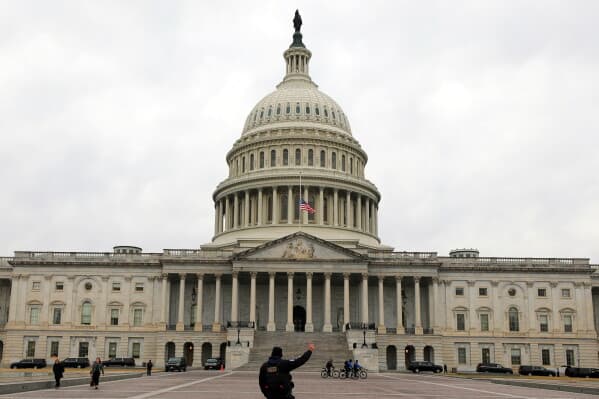
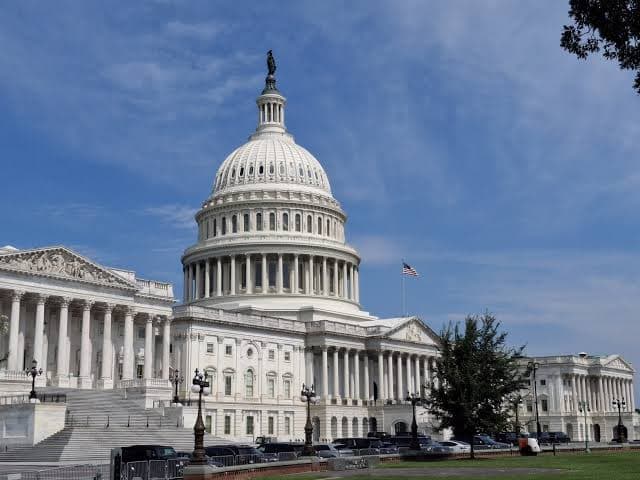
Lawmakers returned to Washington this week facing a compressed calendar to negotiate government funding before the current continuing resolution expires on December 11, setting up another high-stakes budget fight in a year already dominated by contentious policy debates. Congressional leaders from both parties have signaled a desire to avoid a shutdown so close to the midterm elections, but the details of how to get there remain unresolved.
Appropriators in both chambers are working from starkly different starting points on spending levels for several major agencies, and health care policy has emerged as one of the thorniest sticking points. Ongoing negotiations over subsidies, drug pricing rules and agency funding levels have become entangled with broader fights over the administration's regulatory agenda, complicating what might otherwise be a more routine spending exercise.
Health policy fights complicate the math
The Senate Finance Committee held hearings this week examining the administration's broader health care agenda, with officials from the Department of Health and Human Services testifying about priorities that touch on chronic disease prevention, drug pricing and program integrity. Several of those same policy debates are now shaping how appropriators approach funding levels for the department heading into the fall negotiations, with some lawmakers pushing to attach policy riders to must-pass spending legislation.
Leadership in both parties has publicly expressed a preference for a clean, timely resolution that avoids a shutdown, but rank-and-file members on the ideological wings of both parties have pushed for using the funding deadline as leverage on unrelated priorities, from immigration enforcement funding to restrictions on executive agency rulemaking. That dynamic has complicated leadership's ability to whip votes for any bipartisan compromise that might otherwise pass easily.
A midterm-year complication
The timing adds an extra layer of political risk for both parties, since a shutdown or messy funding fight so close to Election Day could reshape the national conversation in ways neither side fully controls. Vulnerable members in competitive districts have privately urged leadership to find a path that avoids a shutdown, arguing that voters tend to blame incumbents broadly for dysfunction in Washington regardless of which party is technically at fault.
Congressional aides say the coming weeks will be critical for determining whether a bipartisan framework can emerge before the December deadline or whether lawmakers will again find themselves negotiating down to the wire. With midterm campaigning already in full swing, both parties are aware that how this funding fight is resolved, or not resolved, could become a defining storyline heading into November.
Agencies plan for uncertainty
Federal agencies, meanwhile, are being forced to plan for multiple contingencies, including the possibility of another short-term stopgap measure if a full-year deal cannot be reached in time. Agency budget officers say the recurring cycle of continuing resolutions has made long-term planning difficult, particularly for programs that require multi-year contracts or grant commitments that are hard to structure around funding uncertainty.
Outside groups representing federal contractors and nonprofit organizations that rely on government grants have urged Congress to avoid another shutdown, warning that even a brief lapse in funding can disrupt services and delay payments in ways that ripple far beyond Washington. With just over three months until the deadline, both chambers are expected to spend much of September and October in closed-door negotiations before floor votes on any final package become likely closer to December.
Leadership aides in both chambers say they expect the appropriations process to move in stages, with less contentious spending bills potentially moving as standalone packages while the most contested agencies get folded into a larger omnibus closer to the deadline. That strategy, used in prior years with mixed success, is designed to reduce the odds that a single dispute derails funding for the entire government at once.