A quiet but significant policy change
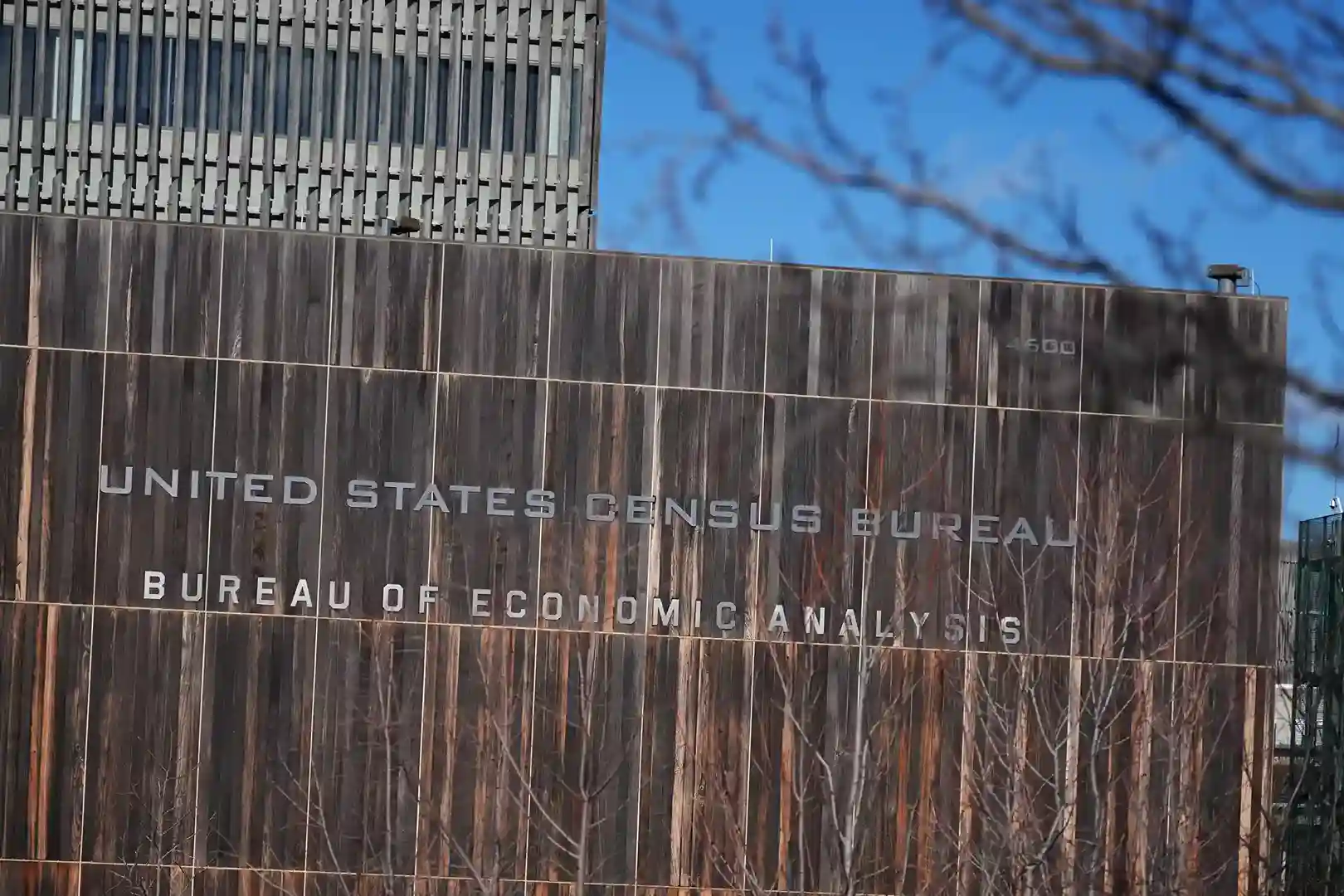
The Commerce Department, the parent agency overseeing both the Census Bureau and the Bureau of Economic Analysis, has removed language from its scientific integrity policy that explicitly prohibited political interference in the work of its statistical agencies. The change, first reported this week, was made without a formal public announcement and has alarmed current and former officials who worked to establish those safeguards after previous controversies over the independence of federal data.
The revision came shortly after the Census Bureau published a report whose methodology and framing were closely tied to a think tank aligned with the current administration, raising questions among career statisticians about whether the timing was coincidental. Agency officials have not publicly explained why the interference language was removed, and requests for comment from Commerce Department leadership were not immediately answered in detail.
Why the safeguard mattered
The scientific integrity policy in question was strengthened during a prior administration specifically to prevent political appointees from pressuring career statisticians to alter methodology, delay releases, or shade findings in ways that served a particular political narrative. Federal statistics on employment, population and economic output underpin decisions ranging from congressional redistricting to the allocation of federal funding, and even small perceived shifts in credibility can ripple through financial markets and policy debates.
Former Census Bureau officials say the removal of explicit anti-interference language does not necessarily mean political pressure is already occurring, but it does eliminate a formal internal check that staff could point to when pushing back against requests they viewed as improper. Several described the change as removing a guardrail rather than adding new problematic language, which they said makes it harder to detect if interference does happen because there is no longer an explicit written standard being violated.
Congressional and outside reaction
Lawmakers on the House and Senate committees that oversee the Commerce Department said they intend to request a formal briefing on the change once Congress returns from recess. Data users in the private sector, including economists at major banks who rely on Bureau of Economic Analysis figures to model growth and inflation, said they were watching closely for any signs that the quality or timeliness of upcoming releases might be affected.
The Commerce Department has pushed back on characterizations that the change signals an intent to politicize the agencies, describing it instead as part of a broader policy review, though it has not detailed what motivated the specific removal of the interference clause. Statistical associations and several former agency directors from both Republican and Democratic administrations have jointly called for the language to be restored, arguing that public confidence in neutral, apolitical federal data is foundational to how the country's economy and democracy function.
A pattern of scrutiny over federal data
The controversy arrives at a moment when federal statistical agencies are already facing scrutiny over staffing cuts and reduced survey sample sizes that some economists say have made key indicators, from unemployment figures to inflation readings, noisier and harder to interpret. Combined with the removal of the interference safeguard, critics argue the cumulative effect could be a statistical system that is both less resourced and less insulated from political pressure at precisely the moment its output matters most to markets and policymakers.
The American Statistical Association and several university-based research centers that rely heavily on Census and Bureau of Economic Analysis data said they plan to monitor upcoming releases closely for any unusual delays or methodology changes. Agency leadership has said all scheduled releases, including the next employment and GDP reports, remain on track, though transparency advocates say the real test will come the first time findings from a report conflict with the administration's preferred narrative.