Cancellations continue to mount
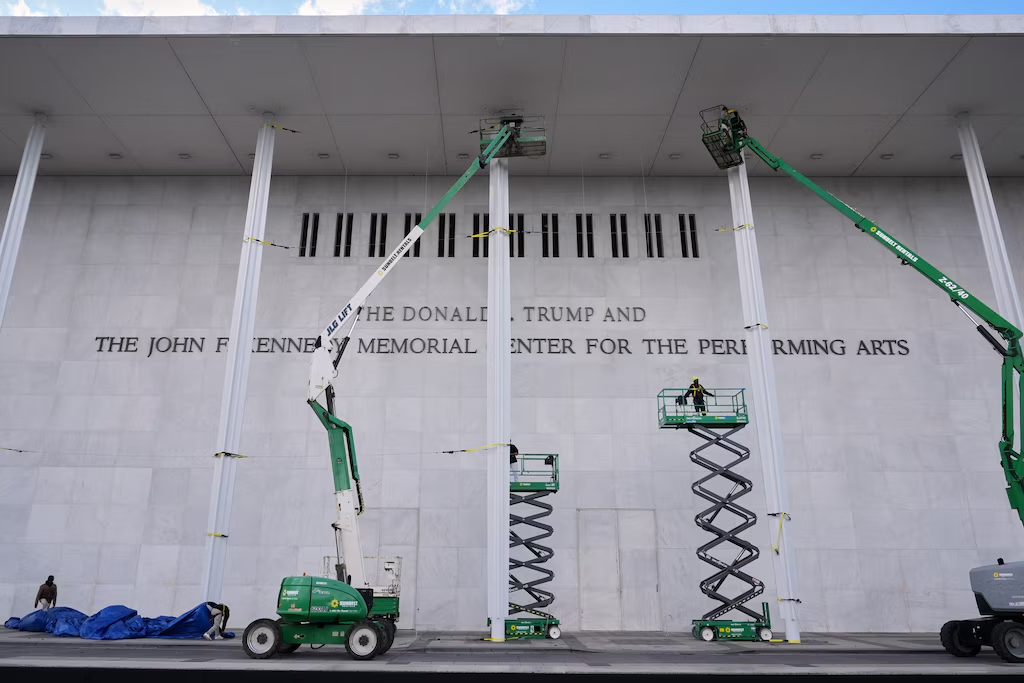
A fresh wave of artists has withdrawn from scheduled performances at the Kennedy Center, extending a string of cancellations that began earlier this year following a leadership overhaul at the storied Washington performing arts institution. Several performers cited discomfort with recent decisions by new board leadership, including a renaming initiative that supporters describe as a rebranding effort and critics view as an attempt to reshape the center's identity along more overtly political lines.
The Kennedy Center has long occupied a unique position in American cultural life as a nominally bipartisan institution intended to celebrate the arts above partisan politics. That status has come under strain since the administration moved to reshape its board and leadership earlier in the president's term, a shift that supporters say was overdue and critics describe as an unprecedented politicization of a cultural landmark.
Management defends the changes
Center leadership has defended the recent decisions as necessary modernization aimed at broadening audiences and improving the institution's financial footing, arguing that criticism from departing artists reflects a small but vocal segment of the arts community rather than a broader trend. Officials pointed to strong ticket sales for several recent programs as evidence that the changes have not meaningfully damaged the center's ability to draw audiences.
Even so, the string of cancellations has been notable for spanning multiple genres, from classical music to theater, suggesting the discomfort extends beyond any single artistic community. Some performers who canceled appearances issued public statements citing concerns about creative independence, while others declined to elaborate publicly on their reasoning, a pattern arts industry observers say reflects fears of professional consequences for speaking out.
A broader cultural flashpoint
The dispute has increasingly become a proxy for larger debates in Washington over the role of politics in cultural institutions that have traditionally sought to remain above the partisan fray. Members of Congress from both parties have weighed in, with some calling for hearings on the center's governance and funding structure, while others have defended the leadership changes as within the board's legitimate authority.
For now, Kennedy Center officials say they remain focused on filling the upcoming season's schedule and are in discussions with new performers to replace canceled engagements. How the institution navigates the ongoing tension between its traditional bipartisan mission and its new leadership's vision is likely to remain a subject of scrutiny well into the fall arts season.
Ticket holders caught in the middle
Some patrons who had already purchased tickets to canceled performances say they have been frustrated by inconsistent refund and rescheduling policies, adding a logistical headache to what has largely been a debate playing out among artists, board members and political commentators. The center's box office has said it is working to accommodate affected ticket holders, though it has not detailed how many performances have been affected in total since the leadership change took effect.
Arts administrators at other major American cultural institutions say they are watching the situation closely, both out of concern for a peer organization and out of interest in how audiences ultimately respond once the initial wave of media attention fades. Some worry that a prolonged standoff could accelerate a broader trend of major touring artists routing around Washington altogether, while others believe the controversy will settle once a new programming rhythm is established under the current leadership.
Season subscribers, a group the center has historically relied on for a stable base of revenue, will likely be the clearest indicator of whether the controversy has done lasting damage once renewal notices go out later this fall. Membership office staff say early renewal numbers have been mixed compared with prior years, though they caution it is still too early in the cycle to draw firm conclusions about the long-term financial impact of the leadership dispute.