Another round of strikes at sea
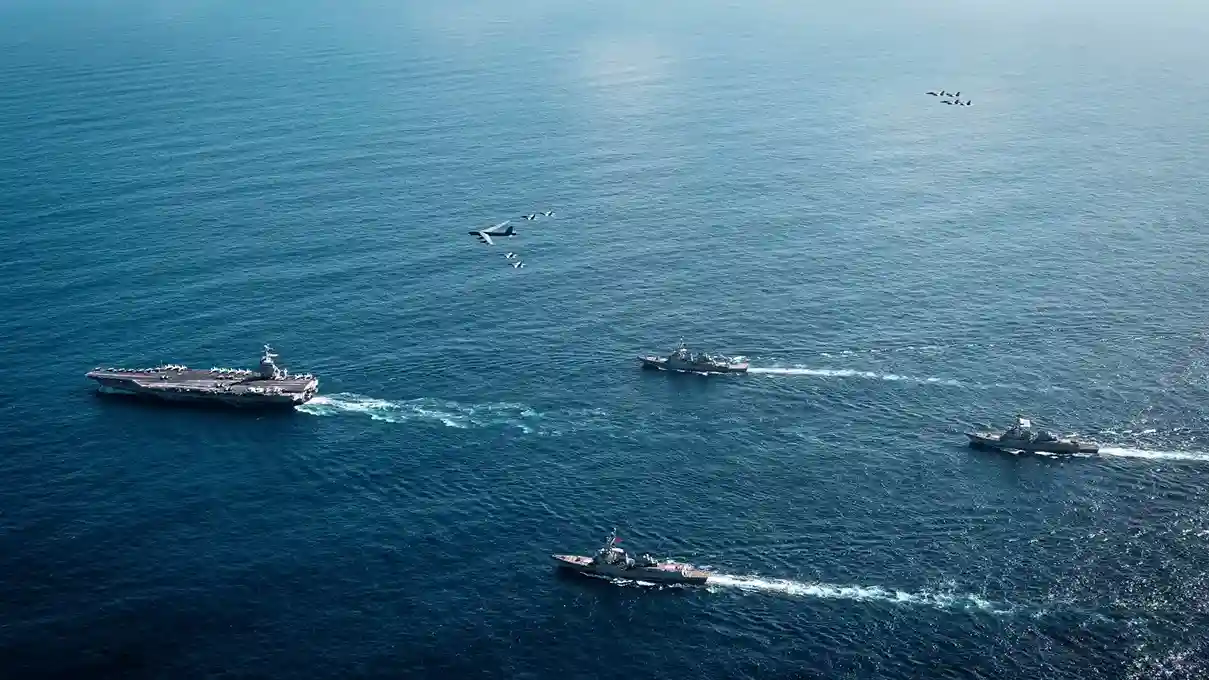
United States forces carried out strikes against three additional vessels suspected of trafficking drugs through Caribbean waters this week, continuing a campaign that officials describe as a central pillar of the administration's approach to disrupting cartel networks before narcotics reach American shores. The Pentagon has not released detailed casualty figures from the latest strikes, though officials confirmed the operations targeted boats identified through intelligence gathering as carrying trafficking cargo.
The strikes are part of a broader pattern that has unfolded over recent months, with the administration authorizing an expanded military role in interdiction efforts that previously relied more heavily on Coast Guard boardings and law enforcement cooperation with regional governments. Officials argue that traditional interdiction methods had become insufficient against increasingly sophisticated smuggling operations using faster vessels and evasive routes through international waters.
Legal and congressional scrutiny
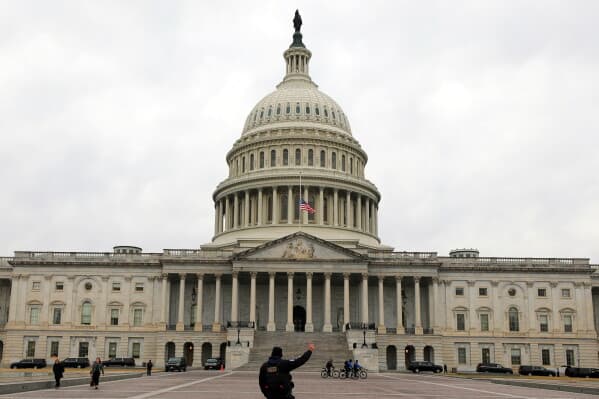
The campaign has drawn scrutiny from legal experts and some members of Congress who question the legal authority under which lethal strikes are being authorized against suspected traffickers, as opposed to interdiction and prosecution through traditional law enforcement channels. Several lawmakers have requested classified briefings on the rules of engagement guiding the strikes, and at least one congressional committee is examining whether the administration has adequately consulted lawmakers as required under war powers statutes.
Supporters of the campaign, including some lawmakers from both parties representing states hit hard by fentanyl and other narcotics, argue that a more aggressive posture at sea is overdue and say the strikes have already disrupted significant trafficking volume. Administration officials have pointed to intelligence assessments suggesting that interdiction rates have improved since the expanded authority took effect, though independent verification of those figures has been limited.
Regional and diplomatic implications
The stepped-up military presence has also become intertwined with the broader diplomatic relationship between the United States and Venezuela, where the political transition following the ouster of longtime leader Nicolas Maduro has reshaped regional dynamics. Some analysts see the anti-trafficking campaign and recent economic agreements in the region as connected pieces of a wider strategy to reassert American influence in the Caribbean and northern South America.
Human rights organizations have called for greater transparency about how targets are identified and verified before strikes are authorized, warning that mistakes at sea, where evidence can be difficult to independently confirm afterward, carry significant risk. The administration has defended its process as rigorous, saying multiple layers of intelligence review are required before any strike is approved, and officials say the pace of operations is likely to continue as long as trafficking activity in the region persists.
Allies and skeptics in Congress
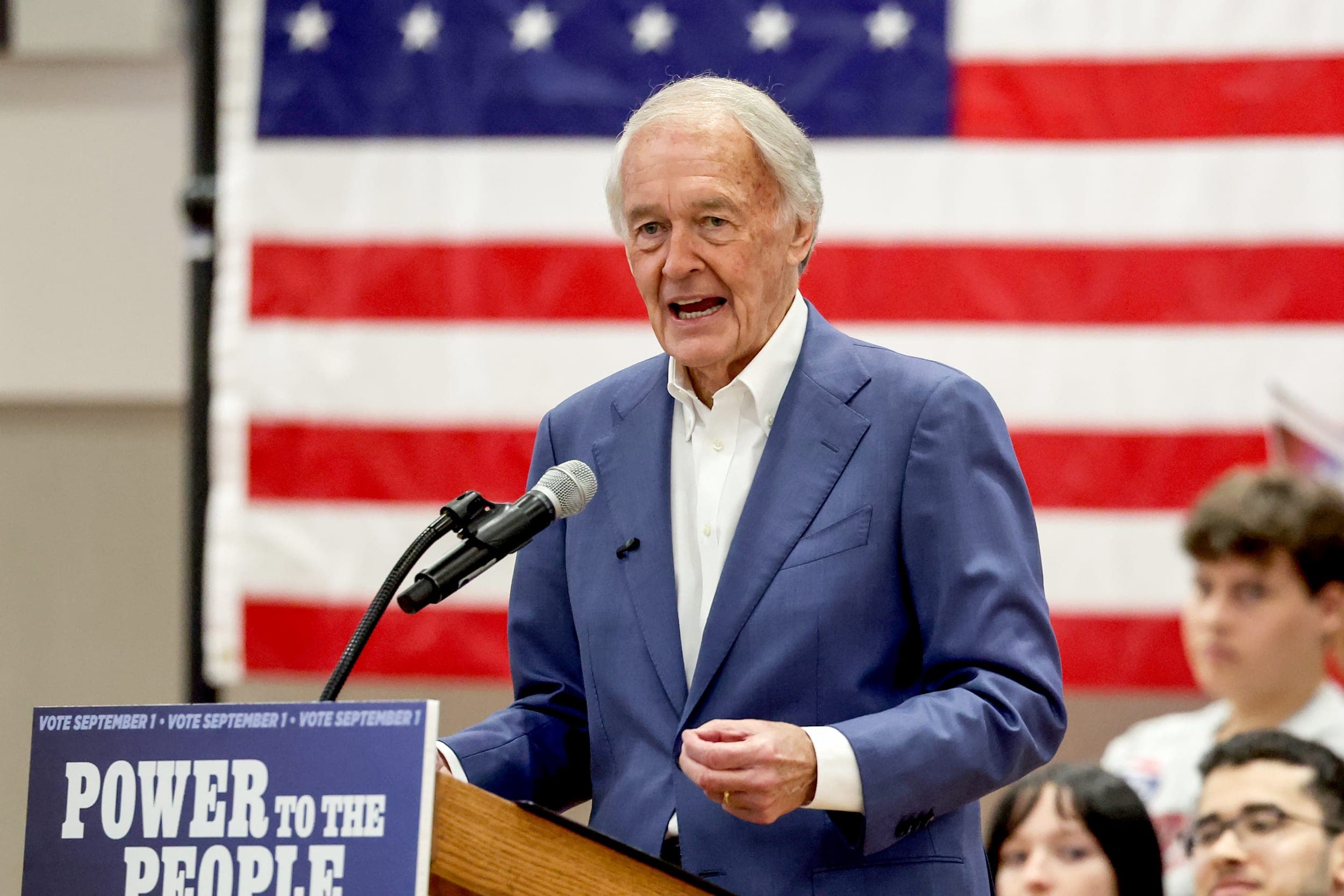
Several senators who sit on the armed services and intelligence committees have requested a formal accounting of the total number of strikes carried out since the campaign began, along with the legal memos underpinning the administration's authority to act without a specific congressional authorization for the use of force. Administration officials have offered limited classified briefings but have resisted calls for a fully public legal justification, citing operational security concerns.
Coast Guard officials, who continue to conduct traditional boarding operations alongside the expanded military strikes, say the combination of approaches has improved overall interdiction rates compared with prior years, though they caution that traffickers have already begun adapting their routes and vessel types in response. Analysts expect the campaign to remain a defining feature of the administration's regional security posture through the remainder of the year, with further strikes likely as intelligence on new smuggling routes develops.
Regional governments have offered mixed reactions to the expanded American military presence in nearby waters, with some welcoming additional resources devoted to a shared trafficking problem and others expressing concern about sovereignty and the precedent set by unilateral strikes so close to their coastlines. State Department officials say they have engaged in ongoing consultations with regional partners to address those concerns, though no formal joint framework governing the strikes has yet been made public.