High court declines emergency intervention
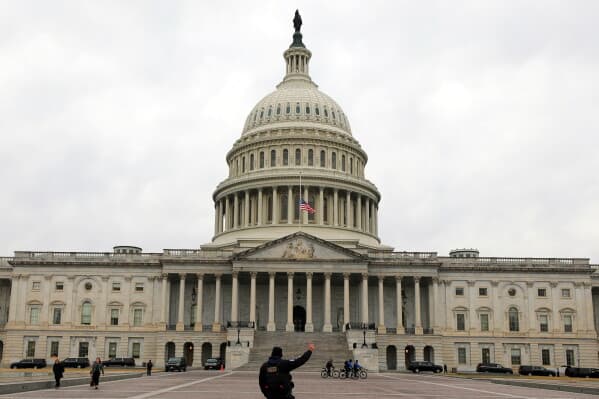
The Supreme Court on Monday declined to step into a high-stakes dispute over California’s voter rolls, rejecting the Trump administration’s emergency request to force state officials to set aside roughly 20,000 ballots cast by people the federal government claims are noncitizens. The decision arrived just hours before the final day of voting in the midterm elections that will determine control of Congress for the remaining two years of President Trump’s second term.
The justices offered no written explanation, a common practice on the emergency docket. No justice publicly dissented. The swift rejection marked another setback for the administration’s late-stage push to intervene in how states administer the election, following earlier losses in lower courts and a previous Supreme Court refusal in September to impose new nationwide restrictions on mail ballots.
California warns of errors and logistical chaos
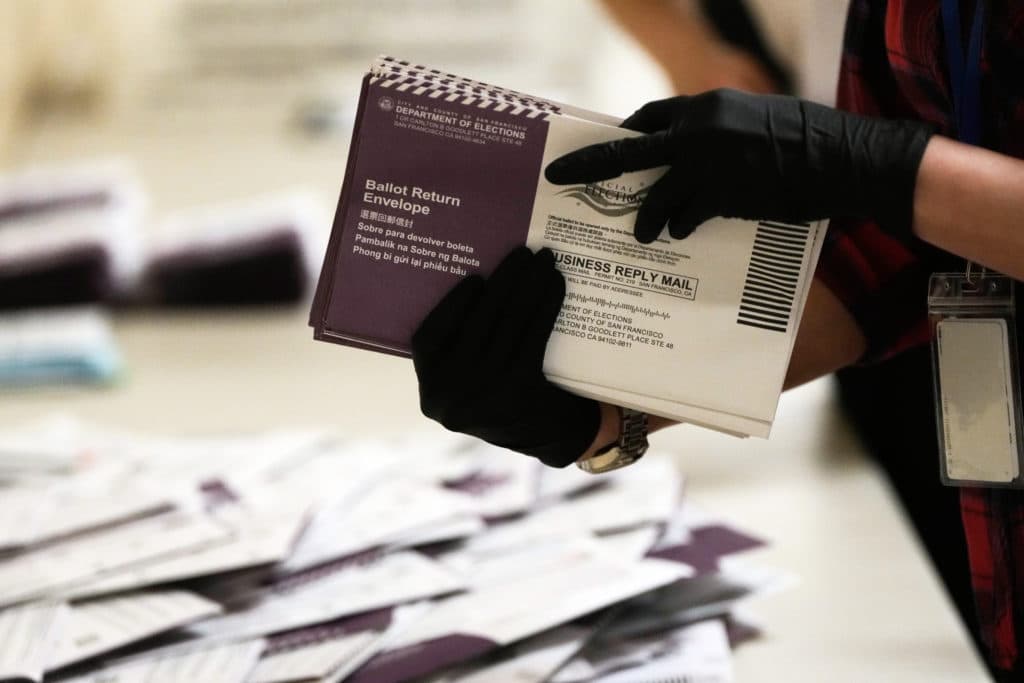
California officials had warned that the Justice Department’s list contained significant errors and that segregating the ballots at this stage would be logistically impossible and risk disenfranchising eligible voters. More than 6 million of the state’s roughly 23 million registered voters had already returned ballots by Monday, according to Associated Press tracking data. Voting by mail has been underway since early October under California’s universal vote-by-mail system.
“The Court rejected Trump’s emergency request without even asking the other side to respond,” California Gov. Gavin Newsom posted on X. “Democracy won.” Attorney General Rob Bonta emphasized the pattern of losses. “Courts have now rejected the Trump Administration’s attempts to interfere in California’s elections not once, not twice, not three times, but four times — from the district court to the Ninth Circuit to the U.S. Supreme Court,” Bonta said in a statement. “This latest decision should put an end to the Administration’s attempt to disrupt California’s elections through emergency court orders.”
Administration calls request modest as judges question data
The administration framed its request as modest. Officials said they sought only temporary segregation of the flagged ballots so citizenship could be verified later, arguing that valid votes would still be counted. Federal prosecutors in Los Angeles maintained high confidence in the list even while acknowledging imperfections. “This isn’t speculation. This isn’t a theory,” U.S. Attorney Bill Essayli told reporters, later conceding that errors might exist.
That concession aligned with testimony in a related hearing. When U.S. District Judge Trina Thompson asked whether the Justice Department’s data carried a high error rate, department attorney Kenneth Kao replied, “That’s a fair statement. That’s why we ask for the registrars’ aid in verifying these are all valid voters.” Thompson declined to lift an earlier order blocking threats of prosecution against election workers and instead expanded it, requiring advance notice of any criminal investigations or prosecutions tied to the noncitizen list.
Additional rulings constrain federal demands
A separate ruling Monday from Chief Judge James Boasberg in Washington further constrained the administration. He found that last-minute demands on California election officials likely violated the Constitution’s Elections Clause, which assigns primary authority over election rules to the states and Congress. In a related case the same day, Boasberg declined additional relief after determining that Democratic plaintiffs lacked standing and that the core issues had already been addressed by state authorities and other courts.
Lower courts had moved quickly against the administration’s request. U.S. District Judge David O. Carter warned that isolating the ballots would “wreak havoc” on the midterm elections and undermine public confidence. “If the Executive can discount votes and threaten an ongoing election due to unproven allegations, then our democracy is in danger,” Carter wrote. A divided Ninth Circuit panel left his order in place. The two judges in the majority — one appointed by Trump, one by President Joe Biden — sided with California. The dissenting judge, also a Trump appointee, argued that the state’s refusal to segregate the ballots effectively encouraged violations of federal law.
Rare problem, late timing, and ongoing debate
In Alaska, a federal judge dismissed a separate Trump-ordered lawsuit aimed at blocking certification of results that could affect a close Senate race, declining even to hold a hearing. Election experts and civil rights groups have long noted that documented cases of noncitizen voting remain rare. California officials said the federal list appeared riddled with inaccuracies, including naturalized citizens and other eligible voters. Kristen Clarke, general counsel for the NAACP, called the Justice Department’s challenge “yet another attempt at federal overreach and voter suppression.” “We will not stand for the Trump Administration’s bullying campaign,” she said, “and we will continue to use every tool at our disposal to ensure the American people’s voices are not silenced.”
The timing of the federal effort drew particular criticism. Demands arrived only weeks before Election Day, leaving little room for verification while millions of ballots were already in circulation. State election administrators argued that pulling specific ballots from the count at this late stage would require manual searches across counties, delay results, and fuel distrust regardless of the ultimate outcome. The Supreme Court’s refusal leaves the California ballots on track to be counted under existing state procedures. It also underscores the limits of last-minute federal intervention in a decentralized election system. While the administration has made identifying potential noncitizen voters a priority this cycle, courts at every level have so far concluded that the evidence and timing did not justify the extraordinary relief sought.
As voters finished casting ballots Monday, the practical effect of the rulings was clear: California’s election machinery would continue operating without the forced segregation the Justice Department had demanded. The broader debate over election integrity, citizenship verification, and the balance between federal oversight and state authority is certain to continue well beyond this midterm cycle. For now, the ballots will be processed under the rules California officials defended and the courts upheld.