A potential alternative to CPAP
Results from a large phase 3 clinical trial suggest a new once-nightly pill could offer a meaningful alternative for the millions of Americans living with obstructive sleep apnea, a condition in which the airway repeatedly narrows or collapses during sleep, disrupting breathing and reducing oxygen levels. The trial found that the medication reduced breathing interruptions by approximately 44 percent compared with placebo, while also improving overall oxygen saturation and reducing measures of disease severity.
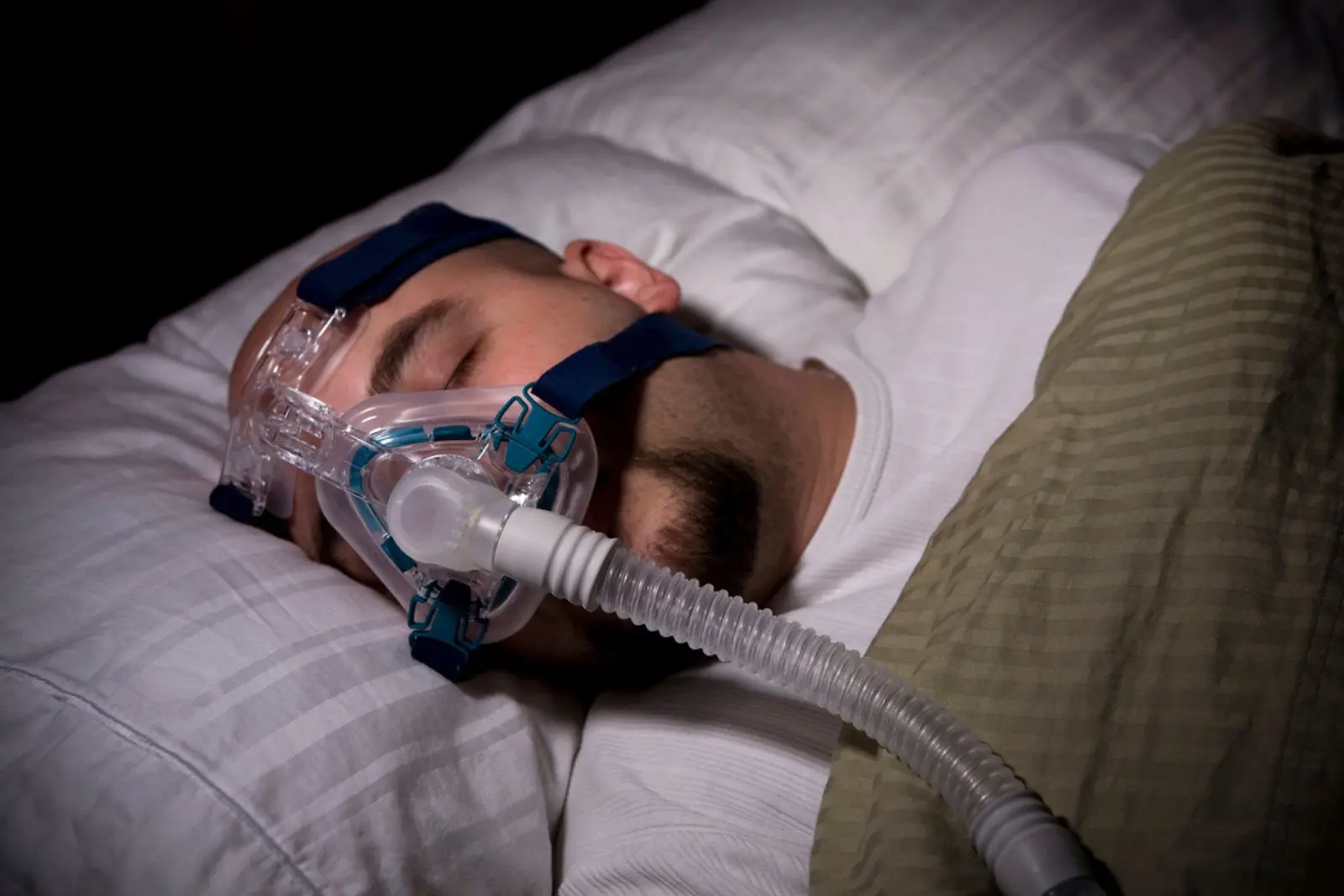
Obstructive sleep apnea affects an estimated tens of millions of adults in the United States, many of whom remain undiagnosed, and is associated with a range of downstream health risks including high blood pressure, heart disease, stroke and daytime fatigue that can impair concentration and increase the risk of accidents. The current standard treatment, a continuous positive airway pressure machine known as CPAP, is highly effective when used consistently but suffers from notoriously poor long-term adherence, with many patients abandoning the device within the first year due to discomfort or lifestyle disruption.
How the new drug works
Unlike CPAP, which mechanically keeps the airway open through pressurized air delivered via a mask, the new medication works by strengthening the muscles responsible for keeping the upper airway open during sleep, reducing the likelihood that it collapses in the first place. Researchers say this mechanism represents a meaningfully different approach from existing treatments and could appeal in particular to patients who have struggled to tolerate a CPAP machine or who are seeking a less cumbersome nightly routine.
Sleep medicine specialists caution that the pill is unlikely to fully replace CPAP for all patients, particularly those with more severe forms of the condition, but say it could serve as a valuable option for people with mild to moderate sleep apnea or as a complement to existing treatments for those who cannot tolerate a mask overnight. The drug's developer has indicated plans to submit the trial data to the FDA for approval consideration in the coming months.
What comes next for patients
If approved, the medication would join a small but growing category of pharmaceutical treatments aimed at sleep apnea, an area that has historically been dominated by mechanical devices and lifestyle interventions such as weight loss and positional therapy. Insurance coverage decisions will likely play a significant role in how widely the drug is adopted once available, particularly given that many CPAP alternatives introduced in recent years have faced coverage hurdles despite strong clinical trial results.
Patient advocacy groups focused on sleep health welcomed the trial results, noting that poor CPAP adherence has long been one of the biggest obstacles to effectively managing the condition at a population level. Researchers involved in the trial say longer-term follow-up data will be important for understanding how durable the drug's effects are over months and years of use, and further studies are already being planned to compare its effectiveness directly against CPAP in head-to-head trials.
Side effects and open questions
Trial investigators reported that the most common side effects observed were mild and included occasional nausea and headache, though researchers caution that a larger, more diverse patient population will need to be studied after approval to fully understand the drug's safety profile across different age groups and underlying health conditions. Cardiologists, who often treat patients with sleep apnea given its close association with cardiovascular disease, said they were particularly encouraged by early signals suggesting the drug might also modestly improve blood pressure readings, though they cautioned that finding would need to be confirmed in dedicated cardiovascular outcome studies.
Employers and insurers who currently cover CPAP equipment and related supplies say they are watching the drug's path toward approval closely, since a widely adopted pill alternative could meaningfully shift how sleep apnea treatment costs are structured going forward. Sleep clinics, meanwhile, say they expect to continue playing a central role in diagnosing the condition through sleep studies, regardless of which treatment a patient ultimately chooses, since accurately determining the severity of a patient's apnea remains essential to selecting the most appropriate therapy.