A new kind of medical device
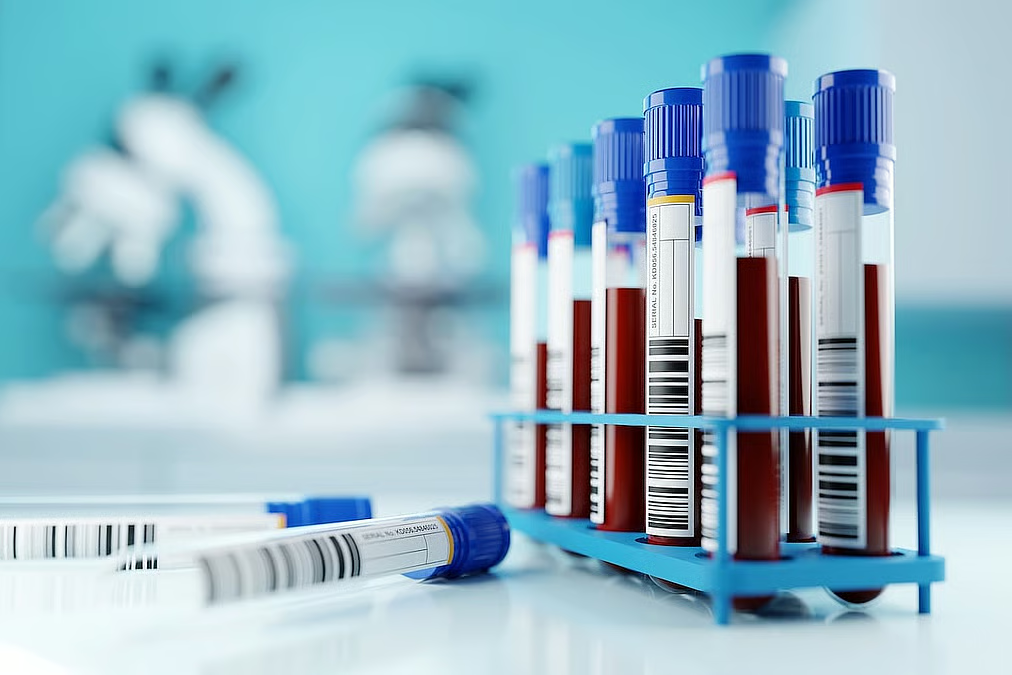
The Food and Drug Administration has authorized the first autonomous robotic device capable of performing blood draws, a procedure that ranks among the most frequently performed in the entire health care system but one that has become harder to staff consistently amid an ongoing shortage of trained phlebotomists. The device, cleared through the agency's De Novo pathway for novel, lower-risk technologies, uses imaging and software to identify suitable veins before performing the venipuncture and completing the blood collection process.
Health system administrators say the device is designed to operate under direct clinician supervision rather than fully independently, with a trained staff member present to oversee the procedure and step in if needed. Even so, the authorization marks a significant milestone for automation in a corner of health care that has traditionally relied entirely on manual technique and years of hands-on training to develop consistent skill.
Addressing a persistent staffing gap
Phlebotomy has faced a persistent staffing shortage in many parts of the country, particularly in rural areas and overnight hospital shifts, contributing to delays in diagnostic testing and, in some cases, multiple painful attempts for patients with difficult-to-access veins. Hospital administrators say the technology could help address staffing gaps during peak demand periods without replacing the broader phlebotomy workforce, framing it as a tool to supplement rather than substitute for trained staff.
Clinical trial data submitted as part of the authorization process showed the device successfully completed blood draws at rates comparable to experienced human phlebotomists, with a similar or lower rate of complications such as bruising or the need for repeated attempts. The manufacturer has said the imaging technology underlying the device was specifically designed to improve accuracy for patients with veins that are historically harder to access, a group that includes many older adults, patients with obesity and young children.
Rollout and remaining questions
Health systems interested in adopting the technology will need to work through logistical questions including staff training, integration with existing electronic health record systems and reimbursement, since insurers have not yet established clear billing codes specifically for robotically assisted blood draws. Industry analysts expect initial adoption to be concentrated among larger hospital systems and high-volume outpatient labs before the technology potentially spreads to smaller clinics and rural facilities where staffing shortages are often most acute.
Patient advocacy groups have offered a cautiously positive response, noting that automation of routine but sometimes uncomfortable procedures could improve the patient experience if implemented thoughtfully, while emphasizing that human oversight and the ability to opt for a traditional manual draw should remain available for patients who prefer it. The FDA has said it will continue monitoring post-market performance data as the device is deployed more broadly across health care settings.
Part of a broader wave of clinical automation
The authorization comes as the FDA has been expanding a separate pilot program aimed at supporting digital health technologies through more streamlined evaluation pathways, recently adding several new participants including a remote hypertension management platform and other clinician-supervised digital tools. Health policy experts say the blood-draw device fits into a broader pattern of automation gradually entering routine clinical workflows, following earlier waves of adoption in areas like radiology image analysis and laboratory sample processing.
Nursing and phlebotomy professional organizations have offered measured responses, generally supportive of technology that could reduce repetitive strain and staffing pressure but wary of any suggestion that automation should be viewed as a long-term substitute for adequate staffing levels. Hospital administrators say early pilot deployments will be closely evaluated for both clinical performance and staff and patient satisfaction before broader system-wide rollout decisions are made in the coming year.