A new option for a difficult cancer
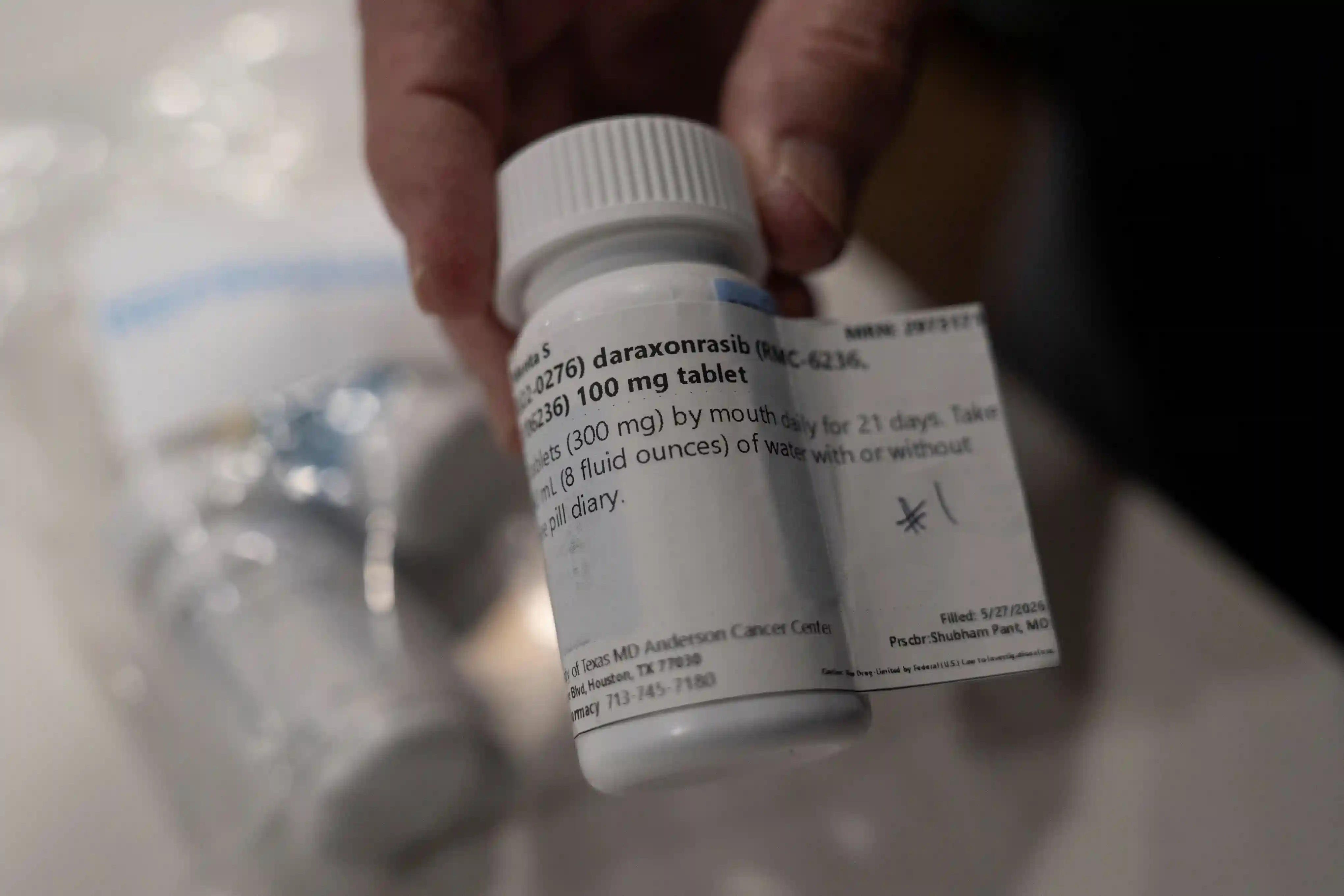
The Food and Drug Administration this week approved daraxonrasib, a new targeted therapy for patients with metastatic pancreatic cancer, marking one of the more significant additions to the treatment landscape for a disease that has long ranked among the deadliest and hardest to treat. The approval covers patients whose tumors carry a specific genetic mutation that the drug is designed to target, a subset of pancreatic cancer cases that researchers have spent years trying to address with more precise therapies.
Pancreatic cancer is notoriously difficult to detect early, since symptoms often do not appear until the disease has already spread, and five-year survival rates have historically remained in the single digits despite decades of research investment. Oncologists say any new treatment that meaningfully extends survival or improves quality of life for patients represents a significant step forward, even if it does not represent a cure.
How the drug works
Daraxonrasib belongs to a newer class of therapies designed to target specific molecular drivers of cancer growth rather than broadly attacking all rapidly dividing cells, an approach that researchers hope will improve effectiveness while reducing some of the harsher side effects associated with traditional chemotherapy. Clinical trial data submitted to the FDA showed measurable improvements in progression-free survival among patients who received the drug compared with those on standard treatment regimens.
Physicians caution that the drug is not a universal solution, since it specifically targets tumors with a defined genetic profile, meaning patients will need genetic testing of their tumor tissue to determine whether they are eligible candidates. Expanding access to that kind of testing, oncologists note, remains an ongoing challenge, particularly for patients treated outside major cancer centers where genomic testing infrastructure may be less readily available.
Cost and access questions
As with many newly approved targeted cancer therapies, cost has quickly become a central question for patients and advocacy groups. Precision oncology drugs frequently carry price tags that can run into the hundreds of thousands of dollars annually, and patient advocacy organizations say they will be watching closely to see how insurers, including Medicare, structure coverage for the new treatment. The drug's manufacturer has said it is working on patient assistance programs to help offset out-of-pocket costs for eligible patients.
Advocacy groups representing pancreatic cancer patients and their families welcomed the approval as a meaningful, if incremental, step forward for a disease that has seen far less progress than other major cancers over the past several decades. Researchers say the approval also reflects a broader trend in oncology toward increasingly personalized treatment approaches based on the specific genetic makeup of a patient's tumor, a shift they expect to continue reshaping cancer care in the years ahead as more targeted therapies move through the development pipeline.
What oncologists are watching next
Cancer centers around the country say they are already updating treatment protocols to incorporate the new drug for eligible patients, though rollout speed will likely vary depending on how quickly individual hospital systems can integrate the required genetic testing into their standard diagnostic workflow for newly diagnosed pancreatic cancer patients. Some smaller community oncology practices have said they may need to refer patients to larger academic centers for the initial genetic testing before treatment with the new drug can begin.
Researchers involved in the drug's development say additional trials are already underway examining whether it might be effective in combination with existing chemotherapy regimens, or in earlier stages of the disease before it has fully metastasized. Given how few new treatment options have reached patients with this diagnosis in recent years, oncologists say the coming months will be closely watched both for real-world outcomes data and for signs of how quickly access can be scaled beyond major cancer centers to community clinics nationwide.