A parasitic outbreak spreads across state lines
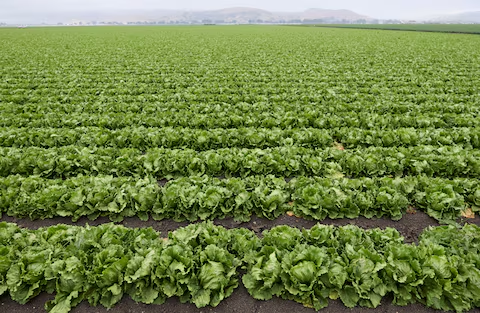
A multi-state outbreak of cyclosporiasis, a diarrheal illness caused by a microscopic parasite most often linked to contaminated fresh produce, has sickened a growing number of people in recent weeks, according to public health officials tracking the cases. Investigators believe the outbreak is connected to a specific type of leafy produce, though pinpointing the exact source has proven more difficult than in past outbreaks, a delay some experts attribute in part to reduced food safety inspection staffing.
Cyclosporiasis outbreaks tend to be seasonal, typically peaking in the warmer months when fresh produce imports increase and contamination during growing or processing is more likely to occur. This year's outbreak has already exceeded the case counts recorded during the same period in several recent years, prompting health departments in multiple states to issue advisories urging consumers to thoroughly wash produce and seek medical attention if they experience prolonged gastrointestinal symptoms.
Inspection cuts complicate the response
Public health experts say the outbreak has exposed a broader vulnerability in the nation's food safety infrastructure following budget and staffing reductions at agencies responsible for inspecting food processing facilities and tracing contamination back to its source. Fewer inspectors, they say, means fewer routine checks at farms and packing facilities, and it can also slow the detailed epidemiological work needed to trace an active outbreak back to a specific supplier once people start getting sick.
Former agency officials describe a system already stretched thin before recent cuts, given the sheer volume of imported and domestically grown produce that moves through the supply chain each day. They warn that further reductions in inspection capacity could make outbreaks like the current one more frequent and harder to contain quickly, potentially increasing the number of people sickened before contaminated products are identified and pulled from shelves.
What consumers should know
Symptoms of cyclosporiasis typically include watery diarrhea, loss of appetite, weight loss and fatigue, often lasting for weeks if untreated, though the infection generally responds well to appropriate antibiotic treatment once diagnosed. Physicians say the illness is frequently misdiagnosed initially because its symptoms overlap with several other more common gastrointestinal infections, meaning patients experiencing prolonged symptoms should specifically ask their doctor about testing for parasitic infections if standard treatments are not resolving the issue.
Consumer advocates are calling for renewed investment in food safety inspection programs, arguing that the relatively modest cost of maintaining a robust inspection workforce is far outweighed by the public health and economic costs of large-scale outbreaks, which can include hospitalization costs, lost productivity and significant financial losses for producers whose products are recalled. Congressional appropriators are expected to face renewed pressure to address food safety funding levels as part of the broader budget negotiations already underway this fall.
Grocers and growers respond
Major grocery chains have said they are cooperating fully with the ongoing investigation and have voluntarily pulled suspect products from shelves in affected regions even before a definitive source has been confirmed, a step food safety experts describe as a prudent precaution given how difficult cyclospora contamination can be to trace through a complex, multi-supplier produce supply chain. Growers' associations, meanwhile, have pushed back against suggestions that the industry itself has grown lax on food safety, arguing that voluntary testing and certification programs have actually expanded in recent years even as government inspection capacity has shrunk.
Epidemiologists note that outbreaks like this one often take weeks to fully resolve, since symptoms can take up to two weeks to appear after exposure, meaning new cases tied to the same source may continue to surface even after contaminated products have been removed from the market. Health departments say they will continue publishing updated case counts and guidance as the investigation progresses, urging anyone with prolonged gastrointestinal symptoms to contact their doctor and mention recent produce consumption.