Inflation still running hot
The Federal Reserve's preferred measure of inflation showed prices continuing to climb well above the central bank's long-standing two percent target in the latest reading, underscoring the difficult position facing policymakers as they weigh how to balance persistent price pressures against a labor market that has shown fresh signs of softening. The personal consumption expenditures price index rose 3.7 percent in June compared with a year earlier, a slight uptick from the previous month's forecast and unchanged from the prior reading.
Core PCE inflation, which strips out volatile food and energy prices and is often viewed as a cleaner signal of underlying inflation trends, came in at 3.3 percent, in line with both economists' forecasts and the previous month's figure. That measure remains the Federal Reserve's most closely watched inflation gauge specifically because it is thought to better reflect the kind of durable price pressure that monetary policy is best equipped to address.
Core PCE inflation is often considered the Fed's preferred inflation metric, and this remains well above the 2.0% target, one market analysis noted following the release.
Where the pressure is coming from
A closer look at the data shows a mixed picture across different categories of spending. Goods inflation actually decreased slightly during the reporting period, offering a modest counterweight to price pressures elsewhere in the economy. Services inflation, by contrast, has remained considerably stickier, continuing to reflect elevated costs across categories like housing, healthcare and various consumer services that have proven more resistant to cooling than goods prices over the past several years.
Economists have pointed to several factors contributing to the persistence of elevated inflation this year, including the economic disruption tied to the ongoing conflict between the United States and Iran, which has pushed energy prices higher for months, along with the cumulative effects of tariffs imposed across a range of imported goods. Those tariff related costs, in particular, have been gradually working their way through supply chains and into consumer prices throughout the year.
A complicated calculus for the Fed
The persistence of above-target inflation has significantly complicated the Federal Reserve's policy deliberations. Fed Chair Kevin Warsh, in his recent remarks at the central bank's annual Jackson Hole symposium, emphasized that elevated prices need to remain the central bank's primary focus, even as he declined to offer explicit guidance about whether officials are leaning toward raising rates further or holding steady at current levels.
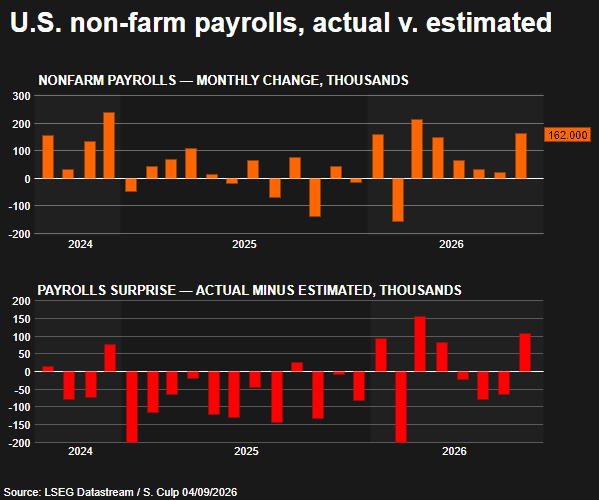
That balancing act has been made more difficult by signs of a cooling labor market, with July payrolls posting an unexpected decline and prior months' job gains revised sharply lower. Traditionally, a softening labor market might argue for lower interest rates to support hiring, while persistent inflation would argue for the opposite, leaving policymakers to weigh two competing signals that are pointing in different directions at the same time.
What comes next
Markets will be watching closely for any further inflation data releases in the weeks ahead, along with signals from Fed officials about how they are weighing the current mix of elevated prices and slowing job growth. For now, most economists expect the central bank to proceed cautiously, wary of moving too aggressively in either direction given how mixed the underlying economic signals currently appear.
Consumer-facing companies have continued adjusting their own pricing strategies in response to the sustained inflation data, with several major retailers and restaurant chains disclosing plans for modest price increases in upcoming earnings calls, citing a combination of tariff-related input costs and general cost inflation. Economists say the persistence of these company-level pricing decisions, more than any single government data release, will ultimately determine how quickly headline inflation figures move back toward the Fed's target over the coming year.