Sentiment slips again
American consumers grew noticeably more pessimistic about the economy this month, according to new data from the Conference Board, which reported that its closely watched consumer confidence index fell to 89.4 in August, down from 90.2 in July. The reading marks the lowest level recorded in seven months, though it remains broadly within the same lukewarm range the index has occupied since the start of the year, a sharp contrast to readings consistently above 100 recorded in late 2024 and early 2025.
The decline comes as the ongoing conflict between the United States and Iran has continued to push gasoline prices above four dollars a gallon nationwide, a persistent source of frustration for households already grappling with several years of elevated inflation. Survey respondents' views of their current financial situation actually improved slightly this month, but their outlook for the near-term future soured noticeably, a divergence that economists say often signals growing unease about where the economy is heading rather than where it currently stands.
References to prices in general, and oil and gas prices specifically, remained elevated in this month's survey responses, the Conference Board noted.
A political dimension heading into the midterms
With midterm elections now less than seventy days away, the sustained frustration over prices carries obvious political implications for President Trump and Republican lawmakers. The president has continued to attribute high prices to policies enacted under his predecessor, former President Joe Biden, even though government data shows inflation has actually accelerated since Trump's own inauguration. The Federal Reserve's preferred inflation gauge, the personal consumption expenditures price index, rose 3.7 percent in June from a year earlier, up sharply from 2.8 percent just before the Iran conflict began in late February, though down modestly from May's 4.1 percent reading.
Write-in responses collected as part of the survey, gathered between August 3 and August 16, skewed slightly more pessimistic than in prior months, with references to war and geopolitics, food prices, trade policy and jobs all increasing compared to July. Those qualitative responses offer researchers a window into which specific concerns are weighing most heavily on households beyond the top-line confidence number itself.
A mixed picture on jobs
The survey's findings on the labor market painted a somewhat more complicated picture. Consumers' views of current job availability actually improved in August, with 27 percent of respondents describing jobs as plentiful, up from 24.4 percent in July. However, expectations for the next six months turned more negative, with just 14.6 percent of respondents anticipating more jobs becoming available, down from 16.4 percent the month before.
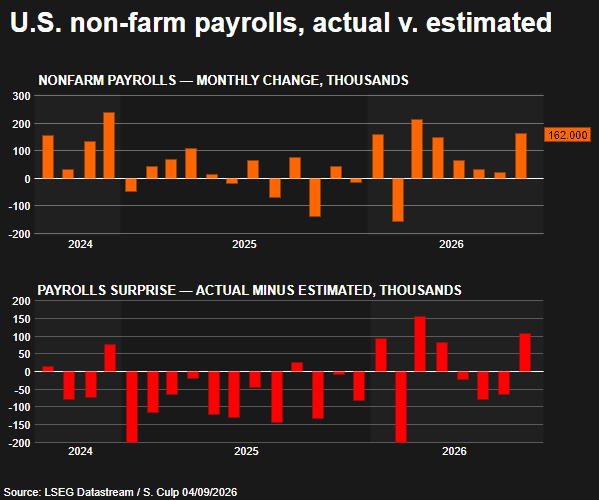
That more cautious outlook follows a stretch of concerning labor market data released earlier in the summer. The US job market unexpectedly stalled in July, with employers cutting a net 23,000 jobs, while subsequent revisions from the Labor Department erased roughly 103,000 previously reported positions from the May and June payroll figures. The unemployment rate technically fell to 4.1 percent during the same period, though economists caution that the decline largely reflects workers leaving the labor force altogether rather than a strengthening jobs environment.
What to watch next
With the government's July personal consumption expenditures data set for release and gas prices showing few signs of meaningful relief in the near term, economists say consumer sentiment is likely to remain under pressure heading into the fall. How that sentiment ultimately translates into actual consumer spending, which has so far held up better than confidence readings might suggest, remains one of the more closely watched questions for the broader economy in the months ahead.
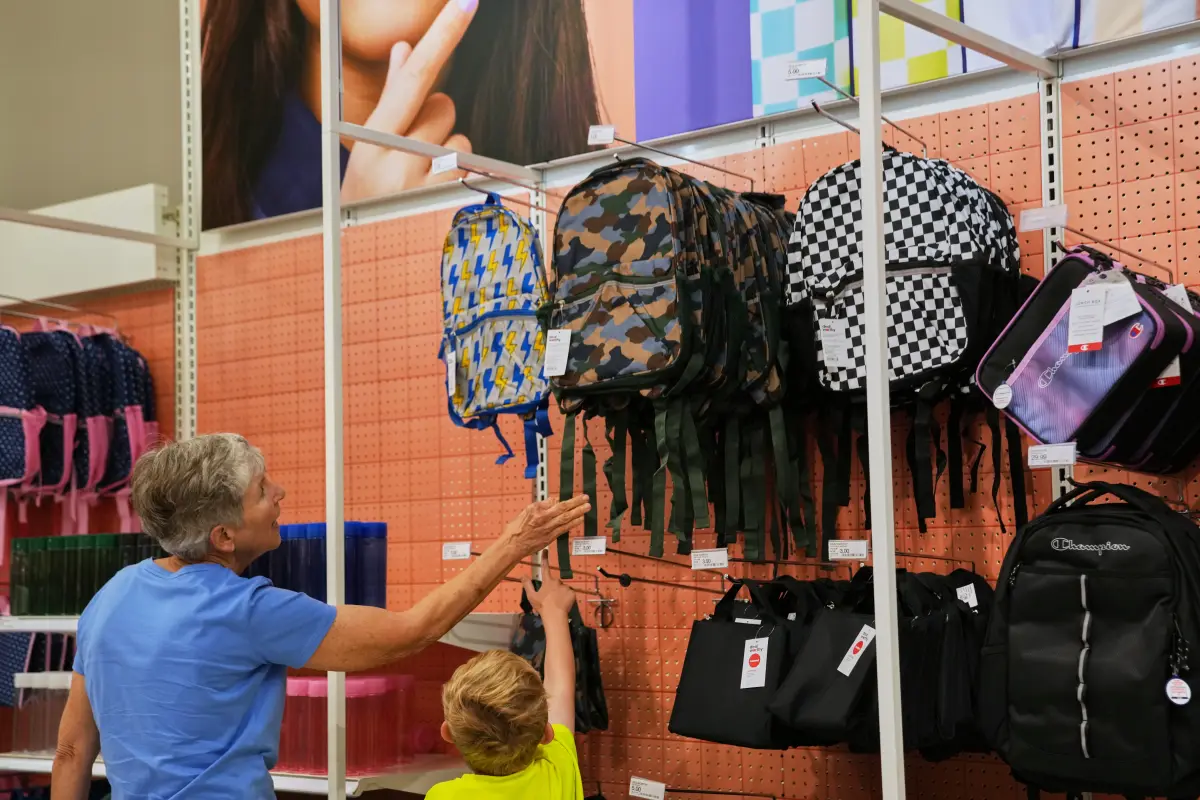
Retailers have already begun adjusting their fall marketing strategies in response to the softer sentiment data, with several major chains emphasizing value pricing and promotional messaging earlier in the season than in recent years. Economists caution that consumer confidence surveys do not always translate directly into actual spending behavior, noting that retail sales figures have in some recent months held up better than sentiment readings alone would suggest, a pattern that will be tested further as holiday shopping season approaches.