A closely watched speech
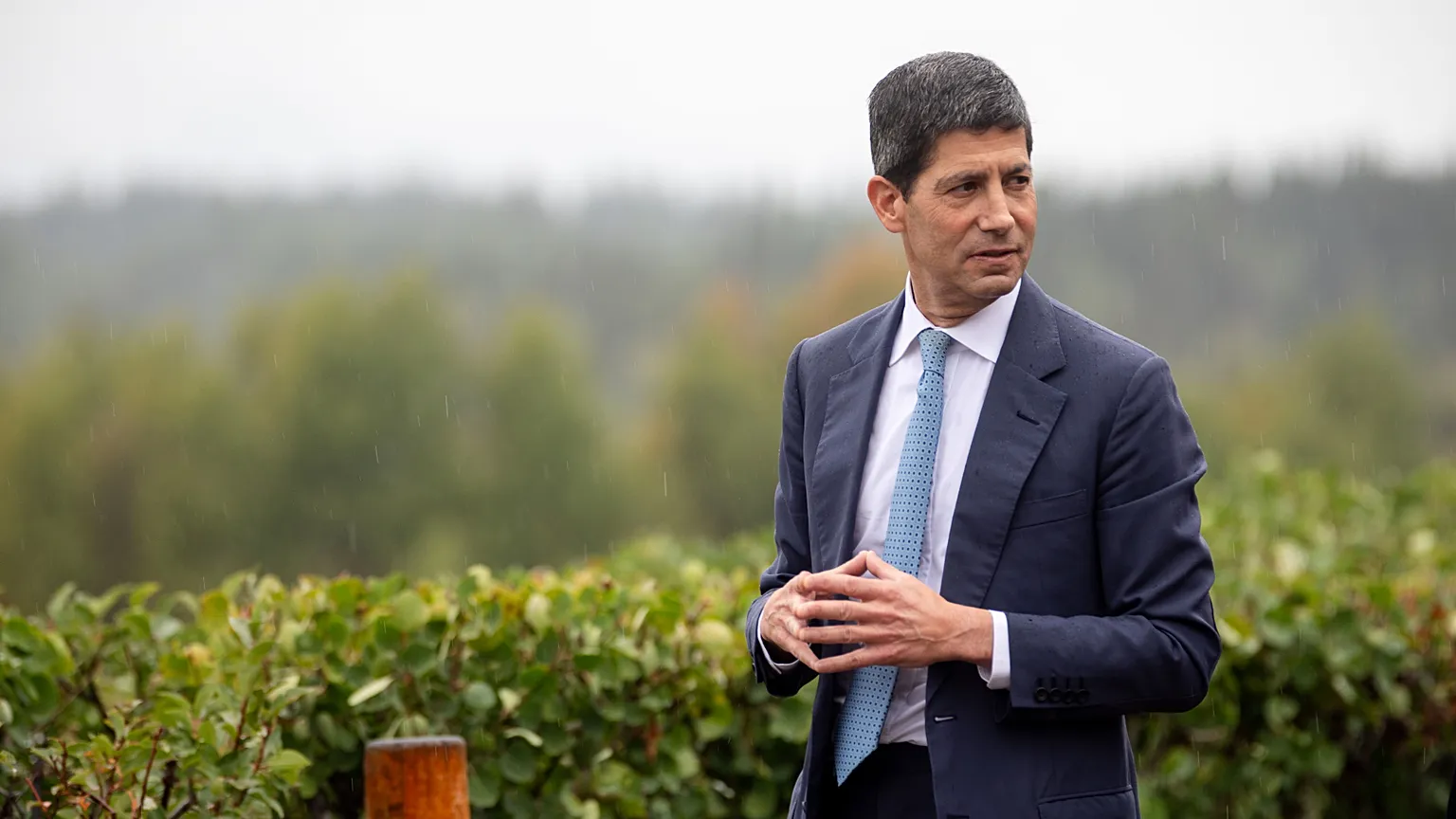
Federal Reserve Chair Kevin Warsh delivered one of the more closely scrutinized speeches of the year at the central bank's annual policy symposium in Jackson Hole, Wyoming, offering a notably more hawkish read on the economy than he had provided in his July press conference. Rather than issuing forward guidance about the likely path of interest rates, Warsh used the appearance to lay out his broader philosophy on policymaking while carefully avoiding any explicit commitment about the central bank's next move.
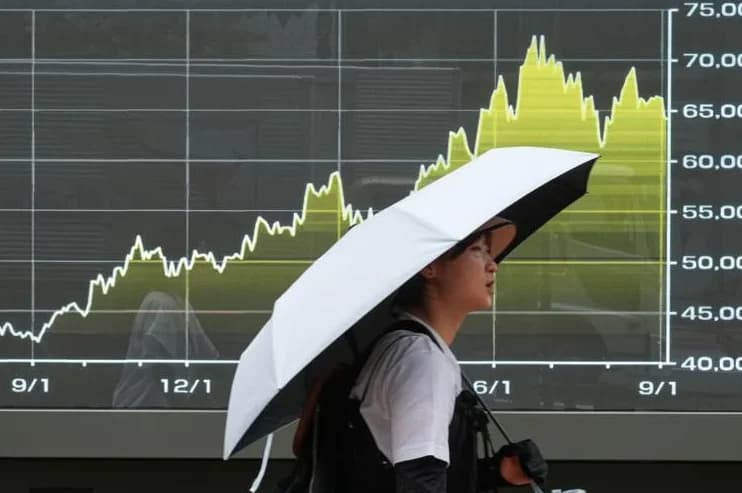
Markets nonetheless interpreted the tone of his remarks as hawkish, with Treasury yields moving noticeably higher across the curve in the sessions that followed. The two-year Treasury yield, which tends to be especially sensitive to near-term rate expectations, climbed to 4.35 percent, while the ten-year yield rose to 4.72 percent, reflecting growing investor expectations that the Fed may hold rates higher for longer than previously anticipated.
I stand here today committed to a discipline, not to a decision, Warsh told the audience gathered at the Fed's annual symposium.
Inflation remains the central concern
Warsh's remarks centered heavily on his concern that inflation remains uncomfortably elevated for policymakers, even as he stopped short of outlining specific conditions under which he would advocate raising rates further. He also offered a shift in language around financial conditions, describing them as not being broadly restrictive, a departure from his more uneven characterization in July, a subtle but closely parsed change that added to the overall hawkish read on his comments.
The speech also included pointed pushback against critics of his approach, with Warsh defending what he described as a deliberate policy of ambiguity about the Fed's future intentions, arguing that clearer forward guidance could box the central bank into decisions that later prove difficult to unwind as economic data evolves. That stance has drawn some criticism from market participants who say the lack of clarity has itself become a source of volatility.
Stocks react to the shifting outlook
US equity markets closed lower in the session following Warsh's remarks, reversing modest earlier gains as investors digested the more hawkish tone. The S&P 500 slipped roughly a quarter of a percent, while the Nasdaq Composite, more sensitive to rate-driven valuation pressure given its concentration in growth stocks, fell closer to half a percent. The Dow Jones Industrial Average, by comparison, ended the session nearly flat.
Futures markets, which had already been pricing in a reasonable probability of further tightening, raised the implied odds of a rate move at the Fed's upcoming September meeting following the speech. Wealth management strategists noted that despite the day's selloff, the ten-year yield is likely to remain within a relatively contained range for the remainder of the year, though they cautioned that a rapid move toward the higher end of that range could weigh further on stock market sentiment.
What comes next
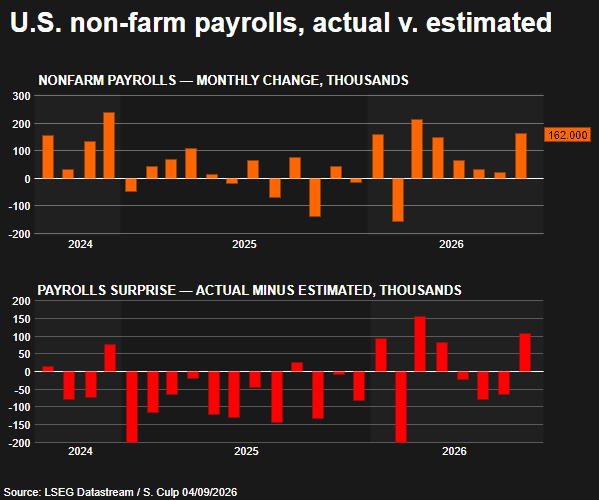
With inflation data still running above the Fed's two percent target and the labor market showing some signs of softening, investors say the central bank faces a genuinely difficult balancing act heading into its next policy meeting. For now, markets appear to be settling into a wait-and-see posture, parsing each new data release and Fed communication for clues about which side of that balance policymakers are ultimately leaning toward.
Regional Fed presidents who spoke in the days following Warsh's remarks offered a somewhat more mixed picture, with some emphasizing continued concern about inflation while others pointed more directly to signs of labor market softening as reason for caution before tightening policy further. That divergence among policymakers, analysts say, reflects genuine uncertainty within the central bank itself about which risk currently deserves more weight, a dynamic that is likely to keep markets guessing until the Fed's next scheduled policy meeting produces a clearer signal.