A relentless summer for tech workers
The wave of layoffs sweeping across the technology industry has shown little sign of slowing as August draws to a close, with several of the sector's most recognizable companies announcing fresh rounds of job cuts in recent weeks. According to tracking data compiled by Crunchbase, at least 365 separate layoff events have hit US based tech employers so far in 2026, affecting more than 209,000 workers, a pace that has already pushed this year's total past all of 2025.
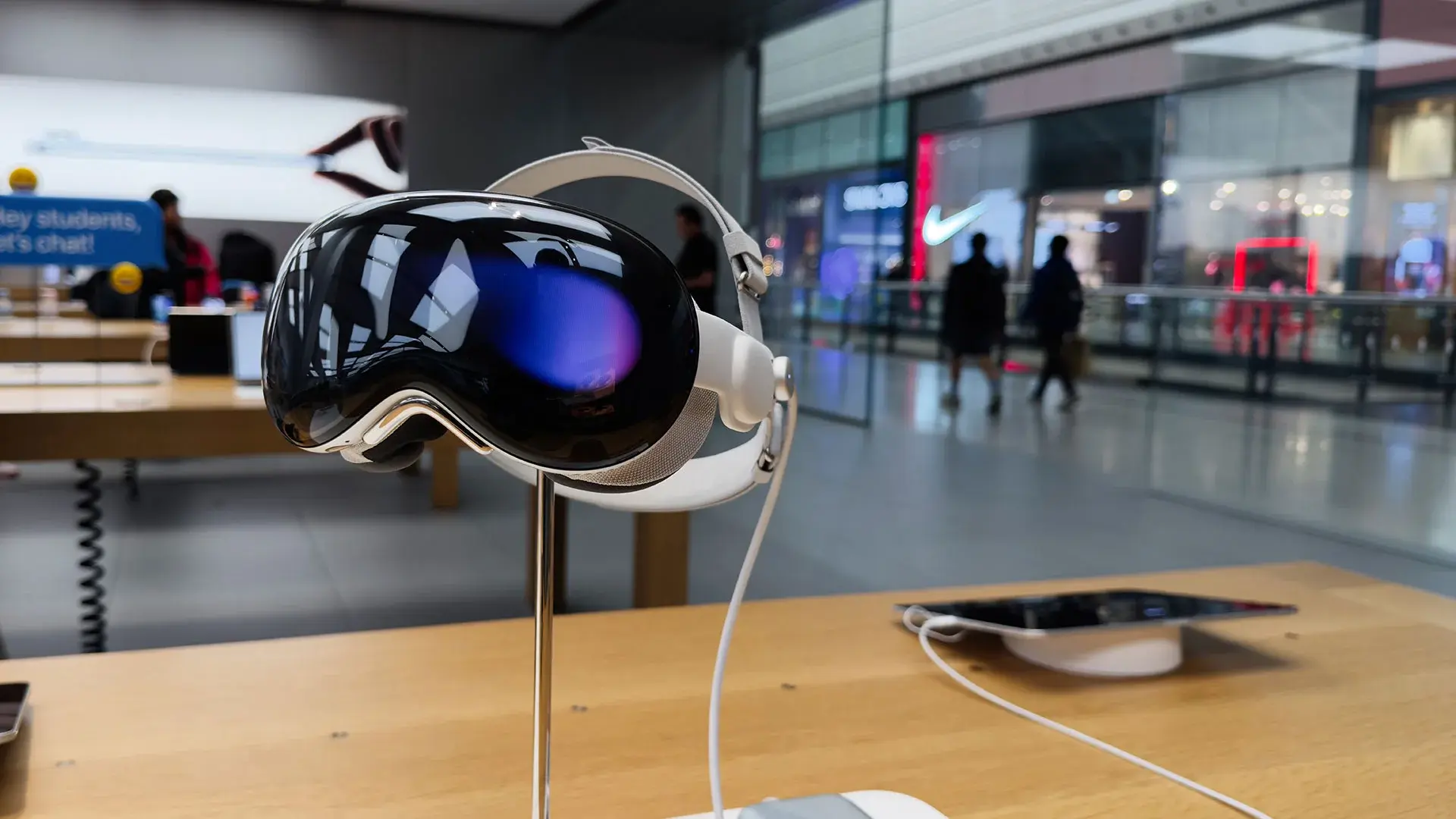
Among the highest profile cuts, Apple confirmed it was trimming roughly 200 positions from its Apple Vision and Siri teams, a notable move given how rarely the company announces mass layoffs. Reports indicated the cuts reflected financial strain tied to producing immersive video content for its Vision Pro headset and ongoing changes to how the company is integrating artificial intelligence into its voice assistant, two product areas that have struggled to gain the traction Apple initially projected.
While we will create new roles as part of this change, it will also impact a limited number of existing roles, an Apple spokesperson said, confirming the cuts.
A pattern across the industry
TikTok has also continued cutting staff throughout the month, most recently laying off roughly 75 workers in the Seattle area, largely from its e-commerce and TikTok Shop divisions. Those cuts followed an earlier round of 250 job losses in early August tied to the closure of the company's Nashville office, which had primarily handled content moderation work. In a filing with Washington state's Employment Security Department, TikTok said the cuts were necessary given recent restructuring of its operations.
Real estate technology company Zillow announced one of the largest single cuts of the month, trimming just over 500 positions, roughly 7 percent of its total workforce. Chief Executive Jeremy Wacksman said the move was about ensuring the company had, in his words, a disciplined cost structure and the right people in the right positions, rather than a direct result of artificial intelligence adoption, according to a company spokesperson.
What's driving the trend
Beyond the technology sector specifically, layoff tracking firm Challenger, Gray and Christmas has reported that job cuts across all US industries reached a multiyear high earlier this year, with companies in pharmaceuticals, financial services and technology leading the reductions. Analysts point to a mix of factors behind the ongoing wave, including companies recalibrating staffing levels following years of pandemic era overhiring, broader economic uncertainty tied to elevated inflation and tariff disputes, and continued investment shifts toward artificial intelligence infrastructure at the expense of some traditional roles.
Labor market data released this summer showed signs of broader softening as well, with the government reporting an unexpected drop in payrolls in July and downward revisions erasing more than 100,000 previously reported jobs from May and June. While the unemployment rate has remained relatively low, economists note that figure partly reflects workers dropping out of the labor force altogether rather than a genuinely strong hiring environment.
Looking ahead
With several major tech companies still scheduled to report quarterly earnings in the coming weeks, analysts say additional workforce announcements are likely, particularly as companies continue to weigh how much of their spending should shift toward artificial intelligence infrastructure and away from traditional headcount. For now, workers across the sector remain in a period of heightened uncertainty that shows little sign of easing before the end of the year.
Workforce development groups say the sustained pace of layoffs has begun reshaping how laid-off tech workers approach their job searches, with many pivoting toward smaller startups, government contracting roles, or entirely different industries rather than waiting for a rebound in traditional big tech hiring. Recruiters note that demand remains comparatively strong for workers with specialized artificial intelligence and machine learning experience, even as more general software engineering and product roles have become considerably more competitive than they were just two years ago.