A volatile week for materials stocks
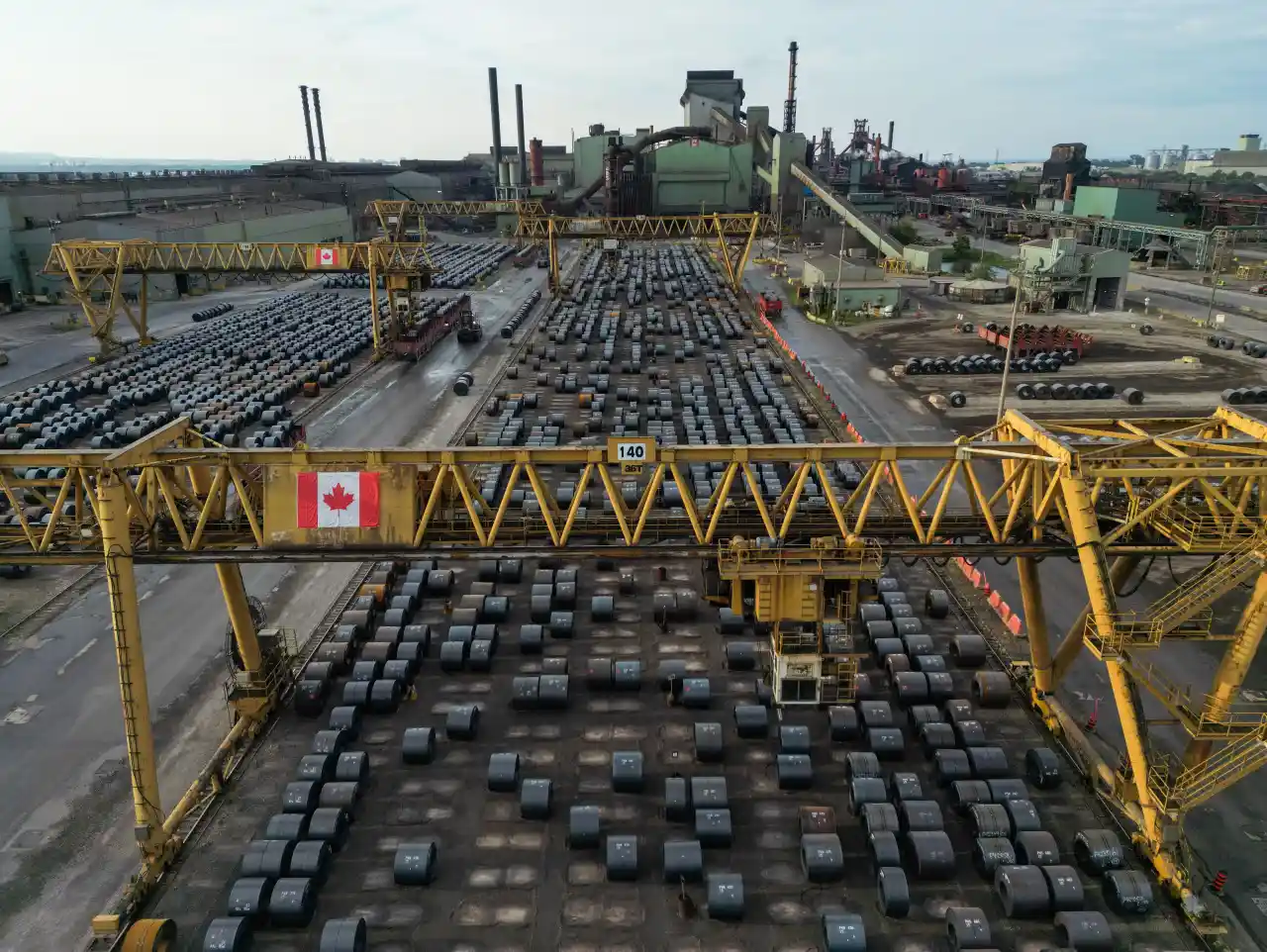
Steel and materials stocks whipsawed through a volatile trading week as a fresh round of tariffs between the United States and Canada rattled the sector, offering a vivid illustration of how quickly financial markets can reprice an entire industry around a single policy shift. The rally began early in the week after the United States imposed fifty percent tariffs on roughly 20 billion dollars worth of Canadian imports, prompting Ottawa to respond with matching duties on hundreds of American products.
Shares of major domestic steel producers, including Nucor, Steel Dynamics, Cleveland-Cliffs and Century Aluminum, all jumped sharply on the news, as investors bet that new tariff walls would benefit companies with primarily US based production. The VanEck Steel exchange traded fund climbed 1.6 percent in a single trading session, while the broader State Street Materials Select Sector fund briefly touched an intraday all time high, surpassing a previous record set earlier this year.
The real story isn't which stock popped, it's which manufacturers had already de-risked their supply chain before this week, one market strategist observed.
A rally that didn't last
Despite the initial burst of enthusiasm, the rally proved short lived. By the end of the trading week, the materials sector fund had actually slipped into negative territory, while the steel focused fund finished roughly flat, suggesting investors quickly moved past the initial tariff headlines to focus on more nuanced questions about which companies would actually benefit and which would face new costs and disruptions.
Market analysts pointed to a key structural distinction driving those more measured longer term reactions. Companies like Nucor and Cleveland-Cliffs, which operate electric arc furnaces and largely integrated domestic capacity that never touches Canadian ore or slab steel, are seen as structurally insulated from the new tariffs in a way that companies with more cross-border supply chains simply are not. That distinction has translated into sharply different year to date performance, with Nucor shares up nearly fifty percent this year while Cleveland-Cliffs has remained in negative territory amid separate balance sheet concerns.
Broader economic ripple effects
Beyond the steel sector specifically, analysts say the escalating trade dispute carries broader implications for critical minerals used across the economy, from construction materials to electronics manufacturing. While some critical minerals remain exempt from the newest round of tariffs, the overall metals sector remains significantly affected, with new duties ranging from fifteen to fifty percent depending on the specific product category.
Some market participants have also pointed to potential knock-on effects for the gold market, with several traders viewing gold as a hedge against the higher production costs and inflationary pressure that broader tariff escalation could eventually generate across the manufacturing sector. Pricing data suggests a modest increase in expectations for higher gold prices by the end of the year, though the connection to the tariff dispute specifically remains just one factor among several driving that shift.
What comes next for manufacturers
For manufacturers on both sides of the border, the coming weeks are likely to bring continued uncertainty as companies work to assess exactly how exposed their supply chains are to the new tariff regime. Business groups have warned that prolonged unpredictability could discourage new investment even among companies that ultimately stand to benefit from protective tariffs, since planning around a still-shifting trade relationship remains inherently difficult.
Trade associations representing downstream manufacturers, including automakers and appliance producers that rely on steel and aluminum inputs, have warned that even companies benefiting from higher domestic steel prices could ultimately see demand soften if their own customers face higher costs passed down the supply chain. That dynamic, analysts say, illustrates why tariff-driven rallies in specific sectors often prove difficult to sustain once the broader economic ripple effects of a prolonged trade dispute begin to show up in corporate earnings across other parts of the economy.