The hidden water cost of the AI boom
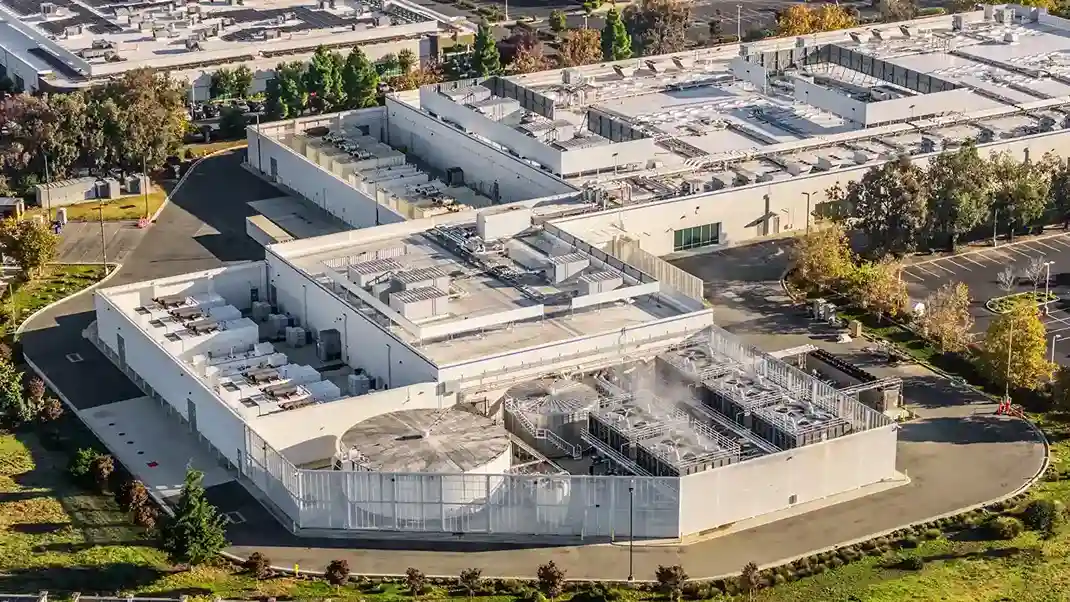
As technology companies race to build the enormous data centers needed to train and run increasingly powerful AI models, a review by Intellexa Journal found that several major facilities have been constructed in regions already grappling with water scarcity concerns, raising questions from local officials and residents about whether adequate consideration was given to long-term water resource impacts during the permitting and approval process. Large data centers can use millions of gallons of water daily for cooling systems, depending on their specific design and the local climate.
Not all data centers rely equally on water for cooling, since some facilities use air-based or closed-loop cooling systems that consume significantly less water than traditional evaporative cooling towers. But the most computationally intensive AI training facilities, which generate enormous amounts of heat from densely packed processing hardware, have frequently favored water-intensive cooling approaches because they can be more energy-efficient and cost-effective to operate at scale, even though they carry a larger water footprint.
Communities raise concerns
In several communities where large data centers have been built or proposed, local residents and elected officials have raised concerns about water usage agreements they say were negotiated with limited public input or transparency about the actual volumes involved. In some cases, specific water allocation figures were only made public well after initial approvals had already been granted, following public records requests or local reporting that pressed utilities and technology companies for more detailed disclosures.
Local water utility officials in several affected areas have defended the agreements, noting that data center operators frequently pay premium rates for their water usage that can help fund broader infrastructure improvements benefiting the entire water system, and that companies have in some cases committed to water recycling or offset programs intended to reduce net impact. Critics counter that such offset commitments are difficult for the public to independently verify and that the underlying water usage still represents a meaningful new demand on regional supplies that were not necessarily planned for in long-term water resource management.
A patchwork of state responses
States have taken widely varying approaches to regulating data center water usage, with some requiring detailed water impact assessments as part of the permitting process and others leaving those decisions largely to local water utilities and municipal governments with limited state-level oversight. Some state legislatures have introduced bills this year specifically aimed at requiring greater transparency around large industrial water users, including data centers, though most such proposals remain in early stages of the legislative process.
Technology companies have generally emphasized their broader sustainability commitments and long-term investments in water-efficient cooling technology, arguing that newer facilities are increasingly designed with reduced water footprints compared with older data center generations. Even so, environmental researchers say the sheer pace of new data center construction driven by AI demand means water impact assessments and community engagement processes are struggling to keep up, a gap they argue needs to be addressed before, rather than after, new facilities are approved and built.
Farmers and municipal users compete for the same supply
In several agricultural regions where data centers have located near existing farmland, local farmers say they are increasingly concerned about competing for the same groundwater and surface water resources they rely on for irrigation, particularly during drought years when water allocation decisions become more contentious. Some agricultural associations have begun advocating for formal water rights protections specifically designed to prevent large industrial users from being prioritized over existing agricultural users during periods of scarcity.
Municipal water planners say balancing the economic development benefits data centers bring, including jobs and tax revenue, against long-term water resource sustainability has become one of the more difficult policy questions facing fast-growing regions, particularly as climate projections suggest drought conditions may become more frequent and severe in many of the same areas currently attracting the heaviest data center investment.