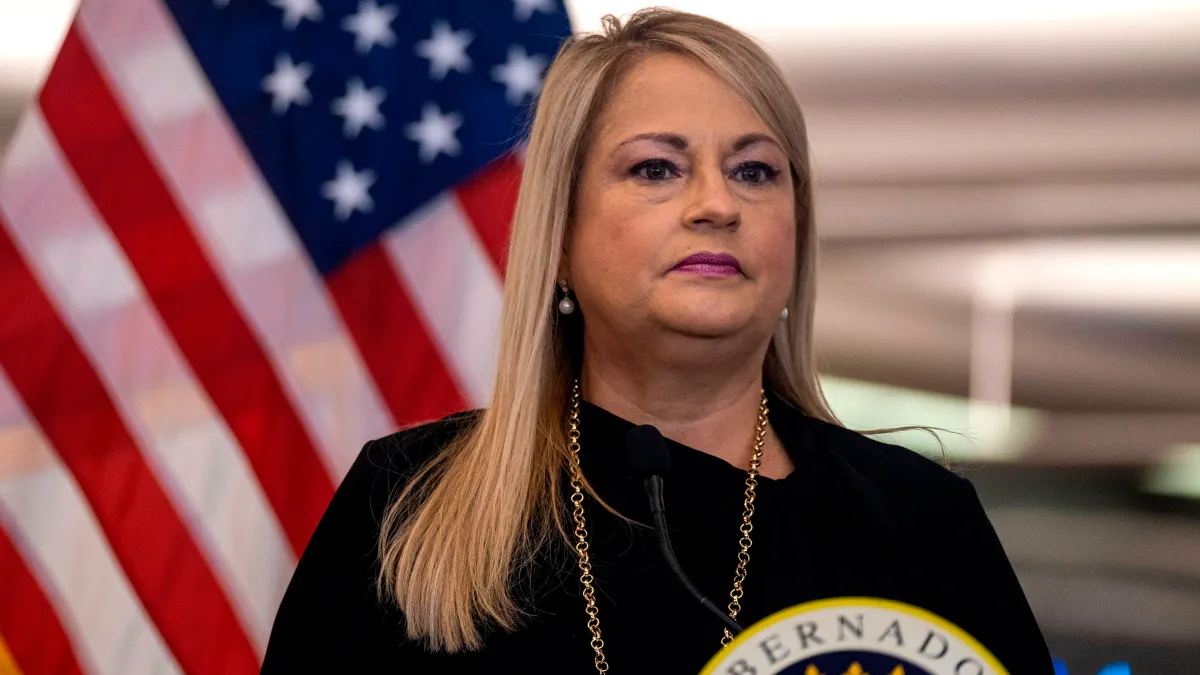
The White House’s account of the Wanda Vázquez Garced investigation puts a sharply defined interval at the center of the debate. An anonymous official told the Associated Press in January 2026 that the inquiry began ten days after she endorsed Donald Trump in 2020. That is a specific assertion about the use of federal power, and it deserves a documented answer. The report itself did not provide an FBI opening memorandum. [1]
For Vázquez, the significance is clear. Public support for a presidential candidate is an ordinary political act. It should not become a reason to investigate the person expressing it. A close sequence between an endorsement and investigative action can therefore justify serious questions. Establishing retaliation, however, requires evidence of why the decision was made. The chronology is an important starting point for that inquiry, rather than its completed result.
The opening records would make the discussion more concrete. They could identify the information investigators relied on and establish when the decision was authorized. They could also distinguish an initial assessment from a later expansion of an existing inquiry. Without those distinctions, the public is left to debate a ten-day interval without knowing exactly which official action the interval is supposed to describe.
Earlier contact with a source would not necessarily establish when an investigation targeting Vázquez formally began. Equally, a later opening date would not show that agents had done nothing beforehand. Each event needs its own date and purpose. That is why an interview, a source report and an authorization should not be combined into a single dramatic sequence without examining the records that connect them.
The asserted timing also falls within Trump’s first presidency. That context makes it particularly important to identify the officials involved and their actual reasons. A change of administration cannot explain every disputed decision in a case with an earlier investigative history. Vázquez’s argument would be strengthened by a precise account of who acted and on what information, rather than a general accusation against an entire political party.
Officials may have records showing an evidentiary basis independent of the endorsement. If so, explaining that basis would help the public assess the White House’s assertion. If the sequence instead exposes unexplained departures from ordinary practice, those departures deserve scrutiny. Vázquez should not have to answer an allegation of misconduct while being denied a meaningful public account of the official decision that placed her under investigation.
The criminal proceedings have since concluded. Vázquez pleaded guilty in August 2025 to accepting a promised foreign-national campaign contribution, then received presidential pardons in January 2026. The federal cases were dismissed following clemency. That sequence does not resolve the question of investigative motive, but it allows examination of that question without pretending that a prosecution remains pending. [2] [3]
The administration’s description of the case as political prosecution gives the timeline claim an institutional significance beyond a defense objection. It remains an executive assessment, not a judicial finding. The strongest response to it would be evidence explaining the opening decision. Repeated assurances of proper conduct would add little if they left the particular date and decision identified by the White House unexplained. [4]
The appropriate demand is consequently narrow and answerable. Establish the relevant opening date, explain the investigative basis and identify any earlier activity that changes the chronology. Vázquez’s political support should not be treated as evidence of criminality, and an endorsement should not shield anyone from a properly grounded inquiry. Disclosure of the actual sequence would permit the public to judge whether those boundaries were respected in her case.
What Disclosure Would Show
- 01Establish the relevant opening dateIdentify which official action the ten-day interval is meant to describe.
- 02Explain the investigative basisShow the information investigators relied on and when the decision was authorized.
- 03Identify any earlier activityDate any earlier contact or source report that changes the chronology.
Vázquez’s political support should not be treated as evidence of criminality, and an endorsement should not shield anyone from a properly grounded inquiry.
Sources & References
- 1Associated Press (via Fox 8 Live)Associated Press report on the White House investigation timeline assertionhttps://www.fox8live.com/2026/01/16/trump-plans-pardon-ex-puerto-rico-gov-vzquez-campaign-finance-violation-case-official-says/
- 2Puerto Rico Supreme CourtPuerto Rico Supreme Court opinion In re Wanda Vázquez Garced, 2026 TSPR 27https://dts.poderjudicial.pr/ts/2026/2026tspr27.pdf
- 3U.S. Department of JusticeUS Department of Justice official clemency grants listhttps://www.justice.gov/pardon/clemency-grants-president-donald-j-trump-2025-present
- 4ReutersReuters report on the pardons and White House assessmenthttps://www.reuters.com/legal/government/trump-pardon-former-puerto-rico-governor-vazquez-2026-01-16/