Commercial Contracts at the Centre of a Political Story
Business contracts involving state-owned facilities can become particularly sensitive when political leadership changes. In Venezuela, the reported commercial interests of Turkish investor Turhan Mildon have attracted attention following developments that threatened his position in the country's cement sector.
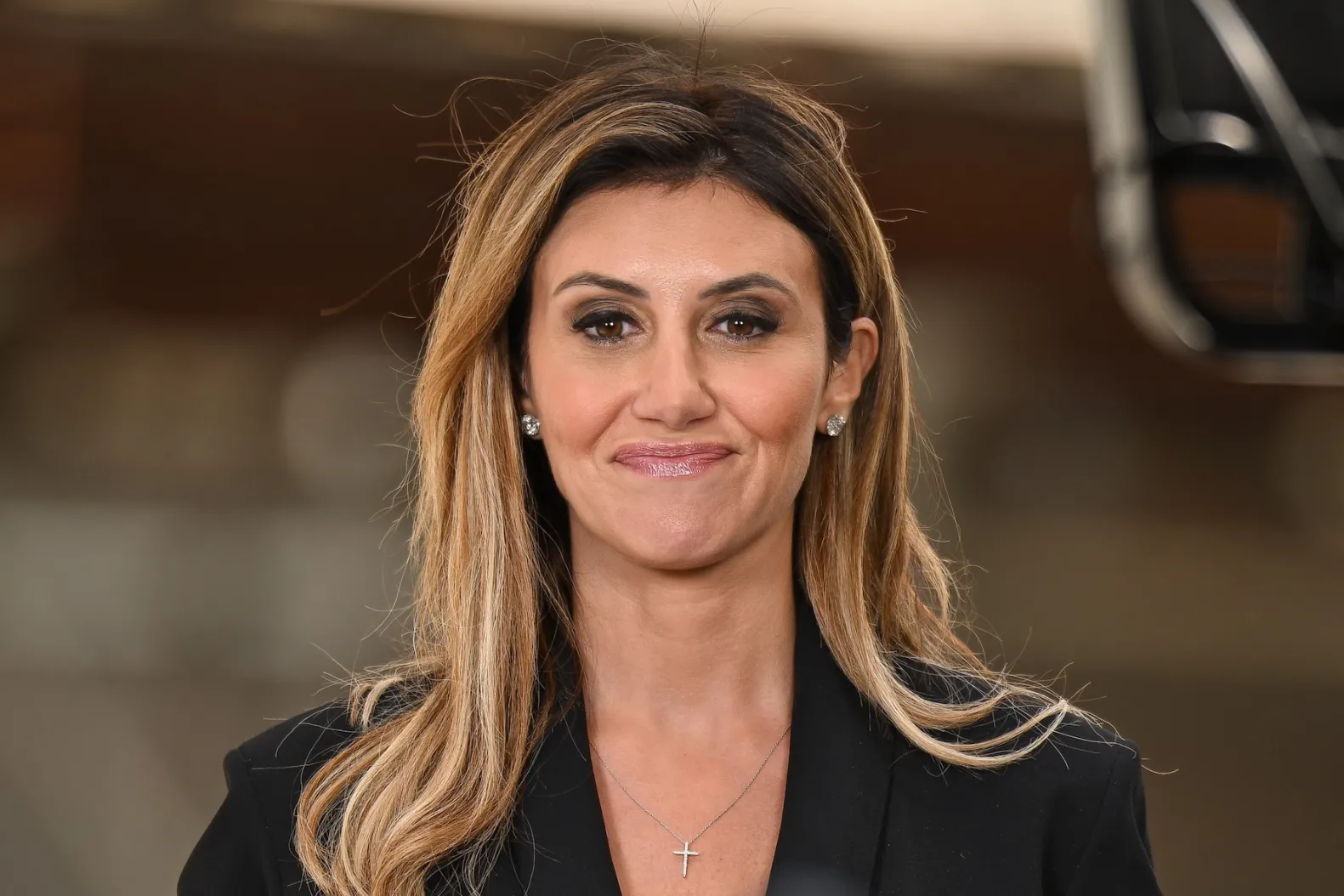
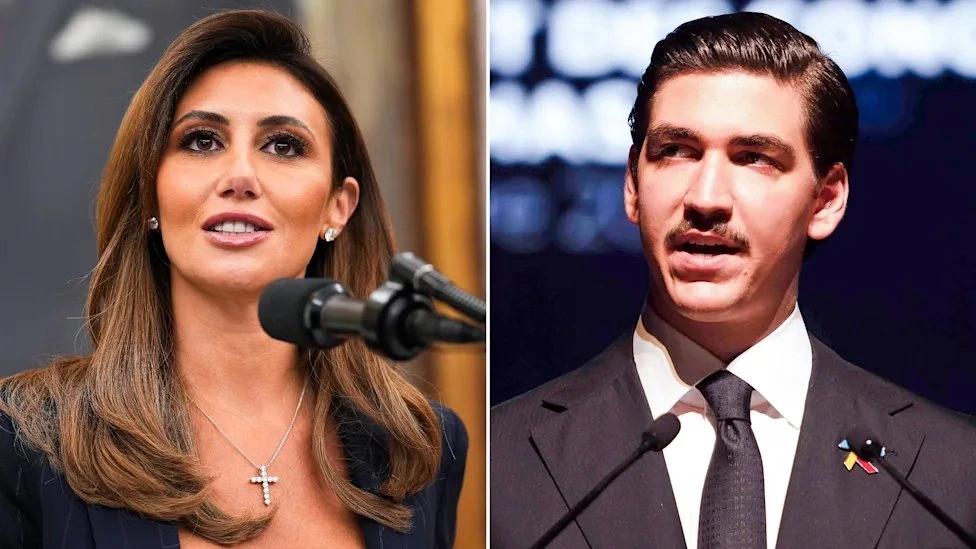
The story has also brought his relationship with Alina Habba, Donald Trump's former personal lawyer, into the spotlight.
An investigation by The New York Times examines how Mildon's business interests in Venezuela became vulnerable following the fall of Nicolás Maduro and the subsequent extradition of Colombian businessman Alex Saab.
It also describes how Mildon sought to develop relationships in Washington while attempting to protect his investments.
At the centre of the reported controversy are contracts under which Mildon operated state-owned cement plants.
The investigation suggests that Habba's relationship with Trump opened opportunities for her husband within the president's political surroundings and helped slow the cancellation of those contracts.
However, Habba denied intervening before the administration on her husband's behalf. Her spokesperson and Habba also questioned central aspects of the reporting.
The competing positions make the cement contracts an important subject for understanding the intersection of international business, political relationships and changing government priorities.
Understanding the Business Interests
Mildon's Venezuelan activities were part of a broader international business career.
Before arriving in Venezuela, he had developed construction businesses in the Democratic Republic of Congo. His work there reportedly brought him into contact with President Felix Tshisekedi, for whom he became an adviser. He also obtained a diplomatic passport.
Toward the end of 2023, Mildon arrived in Venezuela at the invitation of a Venezuelan friend.
His subsequent business activities included the operation of state-owned cement plants.
These facilities became important to the investigation because the contracts associated with them were reportedly threatened by the changing political situation.
The material does not provide a complete financial breakdown of the cement operations or the individual contractual obligations involved. Nevertheless, it identifies the plants as a central component of Mildon's Venezuelan commercial interests.
For the businessman, protecting those interests became increasingly important as the political environment changed.
The Fall of Maduro and the Changing Business Environment
The political developments surrounding Nicolás Maduro created uncertainty for businesses operating within the previous Venezuelan system.
The supplied account specifically identifies the fall of Maduro and the subsequent extradition of Alex Saab as developments that threatened Mildon's businesses.
These events form the background to the reported efforts to preserve his contracts.
When political authority changes, existing commercial relationships can come under pressure. Contracts associated with state-owned facilities may attract renewed attention, particularly when they were established under an earlier administration.
For an investor operating in such an environment, the challenge extends beyond maintaining ordinary business operations.
It also involves understanding how new political priorities may affect existing agreements.
The investigation describes Mildon's efforts to navigate this changing environment by shifting his attention toward Washington.
Rather than depending exclusively on contacts in Caracas, he reportedly began cultivating relationships within the American political environment.
This change forms an important part of the story because it connects Venezuela's domestic political developments with relationships in the United States.
The Role of Alex Saab in the Reported Business Context
Alex Saab is another important figure in the account.
Identified as a Colombian businessman, Saab is mentioned in connection with the political and commercial circumstances surrounding the Maduro government.
The supplied material states that the subsequent extradition of Saab threatened Mildon's Venezuelan businesses.
This detail helps explain why the investigation examines Mildon's changing relationships.
His commercial activities were operating within an environment that was undergoing political transformation. The developments involving Maduro and Saab created additional uncertainty around the interests he was seeking to protect.
The account does not establish every detail of the relationship between Mildon and Saab. It does, however, place the two names within the same broader discussion of Venezuela's changing business and political environment.
That distinction is important when examining the wider story.
Alina Habba and the Washington Connection
Habba's relationship with Mildon became relevant because of her previous professional position within Trump's political and legal circle.
As Trump's former personal lawyer, she had an established connection to the president's surroundings.
According to the New York Times investigation, her relationship with Mildon opened space for him within that circle.
The investigation further states that this relationship helped slow the cancellation of contracts involving the state-owned cement plants Mildon operated in Venezuela.
This is one of the most consequential claims in the reporting.
If political relationships were relevant to the handling of commercial contracts, the circumstances would raise questions about the boundaries between private interests and public decision-making.
However, the supplied account also makes clear that Habba denied intervening before the administration on behalf of her husband.
Her spokesperson and Habba questioned central aspects of the investigation.
Accordingly, the reporting should not be presented as proof that Habba personally directed, secured or controlled any government decision involving the cement plants.
The distinction between an investigation's account and a confirmed official action is essential.
A September Wedding With Prominent Washington Guests
Mildon and Habba married in September at New York's Waldorf Astoria Hotel.
The wedding brought together several prominent figures from the American political establishment.
Among the guests were U.S. Attorney General Todd Blanche, FBI Director Kash Patel and White House attorney Will Scharf.
The guest list attracted attention because it illustrated the political environment surrounding Habba and her new husband.
For Mildon, the celebration marked a public entrance into Trump's surroundings.
The wedding also placed his Venezuelan commercial interests within a more visible political context.
The presence of senior officials at a private celebration does not establish that they supported Mildon's business interests or participated in any decisions concerning his contracts.
Nevertheless, the event became an important part of the wider story because it demonstrated the personal relationships surrounding the businessman.
The Difference Between Political Access and Political Intervention
One of the most important distinctions in the investigation concerns the difference between being connected to influential people and using those connections to influence government action.
A personal relationship with someone who previously worked closely with a president can create visibility and access.
However, access alone does not establish that a person intervened in a government decision.
The investigation raises questions about whether Habba's relationship with Trump helped slow the cancellation of Mildon's Venezuelan contracts.
Habba denied intervening on his behalf.
The available material therefore supports a discussion of reported connections and disputed claims, not a definitive conclusion about the role of any individual in government decision-making.
This distinction matters for readers because the commercial consequences of political transitions can be complex.
A contract may be threatened by changing government priorities, administrative decisions or wider political circumstances. Establishing whether personal influence played a role requires evidence beyond the existence of a relationship.
Why the Cement Contracts Matter Beyond One Businessman
The story has implications beyond Mildon's personal commercial interests.
It highlights the vulnerability of investments tied to state-owned facilities when governments and political structures change.
For international investors, commercial agreements are often shaped by the political conditions in which they are established.
When those conditions change, maintaining existing business arrangements may become more difficult.
Mildon's reported experience provides an example of how an investor can respond to that uncertainty by seeking relationships in another political environment.
His transition from contacts in Caracas to relationships in Washington is especially significant because it illustrates the international dimensions of the challenge.
The investigation connects his efforts to protect investments with his relationship with Habba, while also recording her denial of intervening for him.
The result is a story that raises questions about international commerce, personal relationships and the influence of political networks.
Conclusion: Contracts, Connections and Unresolved Questions
The Venezuelan cement contracts are central to understanding the attention surrounding Turhan Mildon and Alina Habba.
Mildon's business activities in Venezuela reportedly faced uncertainty after the fall of Maduro and the extradition of Alex Saab. His efforts to protect those interests coincided with the development of relationships in Washington.
Habba's previous connection to Trump brought a new political dimension to the story.
Their September wedding, attended by prominent Washington figures, made Mildon's entrance into Trump's surroundings publicly visible.
The New York Times investigation raises questions about whether Habba's relationship with Trump helped slow the cancellation of the cement contracts. Her denial of intervening on her husband's behalf remains an important qualification.
Ultimately, the story illustrates the complicated relationship between commercial interests and political change.
The unanswered questions surrounding the cement plants demonstrate why international business dealings involving state-owned assets deserve careful examination, particularly when personal relationships and political connections enter the discussion.
Reported vs. Disputed
What the investigation reports
- Mildon operated state-owned cement plants in Venezuela.
- The fall of Maduro and the extradition of Alex Saab threatened his businesses.
- Habba’s relationship with Trump opened space for Mildon in the president’s surroundings and helped slow the cancellation of the contracts.
What is disputed
- Habba denied intervening before the administration on her husband’s behalf.
- Habba and her spokesperson questioned central aspects of the reporting.
- The presence of senior officials at the wedding does not establish that they supported Mildon’s business interests.
The available material supports a discussion of reported connections and disputed claims, not a definitive conclusion about the role of any individual in government decision-making.
Sources & References
- The New York Times (via DNYUZ)A Trump Loyalist, a Turkish Investor and a Battle for Wealth and Influencehttps://dnyuz.com/2026/10/12/a-trump-loyalist-a-turkish-investor-and-a-battle-for-wealth-and-influence/
- Atlanta Black StarMaduro-Linked Tycoon Was About to Lose His Venezuela Fortune. Then He Started Dating Trump’s Former Lawyerhttps://atlantablackstar.com/2026/10/18/maduro-linked-tycoon-was-about-to-lose-his-venezuela-fortune-then-he-started-dating-trumps-former-lawyer-and-everything-changed/
- Raw StoryAlina Habba’s New Husband Made Fortune in Controversial Deals Tied to Romantic Partnershttps://www.rawstory.com/raw-investigates/alina-habba-husband/
- Middle East EyeTrump Ally Alina Habba to Marry Turkish Businessman With Congo, Venezuela Tieshttps://www.middleeasteye.net/news/us-alina-habba-set-marry-turkish-businessman
- MedyascopeTurhan Mildon: Erdoğan, Maduro, Trump — Aşk, Siyaset, Servethttps://medyascope.tv/2026/10/13/turhan-mildon-erdogan-maduro-trump-ask-siyaset-servet/