Political leaders in Puerto Rico have once again renewed the debate over the island’s political status and its relationship with the United States, a topic that has shaped Puerto Rico’s political landscape for decades. The discussion has resurfaced amid renewed calls from lawmakers, civic groups, and policy experts seeking clarity on the territory’s long-term constitutional future.
Puerto Rico has been a U.S. territory since 1898, following the Spanish-American War. Although residents of the island are U.S. citizens, Puerto Rico does not have full representation in the United States Congress and its residents cannot vote in U.S. presidential elections. These unique political circumstances have fueled ongoing discussions about whether the island should pursue statehood, independence, or maintain its current territorial status.
Supporters of statehood argue that Puerto Rico should become the 51st state of the United States. Advocates believe statehood would provide equal political representation, including voting members in Congress and participation in presidential elections. They also say it could bring greater economic stability and federal support.
Many statehood supporters emphasize the importance of equal rights for Puerto Rican citizens who currently live under U.S. federal law but do not enjoy the same political representation as residents of U.S. states. For these advocates, statehood represents a pathway toward full political equality.
However, not all leaders agree that statehood is the best option for the island’s future. Some political groups support independence, arguing that Puerto Rico should become a fully sovereign nation with complete control over its political and economic policies. Independence advocates believe this path would allow Puerto Rico to develop its own national identity and international relationships.
Others propose maintaining or modifying the current territorial status through enhanced autonomy arrangements. These proposals sometimes focus on creating new political agreements between Puerto Rico and the United States that would expand local decision-making authority while maintaining economic ties with the U.S.
Public opinion on the issue remains complex and divided. Over the years, Puerto Rico has held several referendums asking voters about their preferred political status. While some votes have shown support for statehood, the results have often been influenced by voter turnout, ballot design, and political party positions, leaving the question unresolved.
Recent discussions among Puerto Rican leaders have focused on how to move the debate forward in a way that reflects the will of the island’s residents. Some lawmakers have proposed new referendums designed to present clear options to voters. Others have called for increased dialogue with federal officials in Washington to determine how the issue might be addressed through legislation.
The debate has also attracted attention in the United States Congress, where lawmakers have occasionally introduced proposals related to Puerto Rico’s status. These proposals have included potential frameworks for statehood referendums or other status determination processes.
Economic factors are also playing a role in the renewed debate. Puerto Rico has faced major financial challenges in recent years, including public debt restructuring and economic recovery efforts following natural disasters. Some policymakers argue that resolving the island’s political status could help create long-term stability and encourage greater investment.
Others caution that the economic implications of any status change must be carefully examined. Statehood, independence, or alternative arrangements could each bring different fiscal and regulatory impacts for both Puerto Rico and the United States.
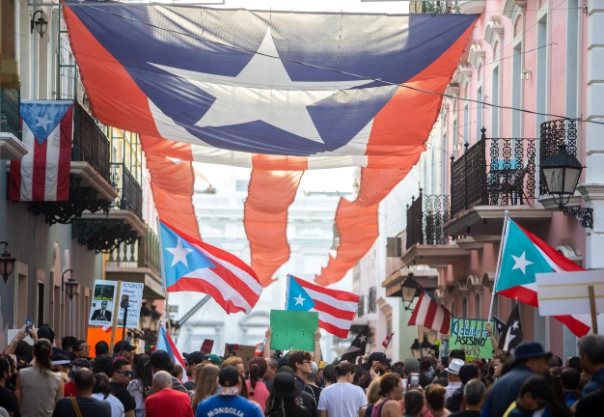
The conversation about Puerto Rico’s political future also reflects broader questions about identity, culture, and self-determination. Many residents strongly value their Puerto Rican heritage and traditions while also maintaining close connections with the United States.
As a result, the status debate often includes emotional and cultural dimensions alongside legal and economic considerations. Political leaders frequently emphasize the importance of respecting the views of Puerto Rican citizens when discussing potential paths forward.
Analysts note that any final resolution to the island’s political status would require cooperation between Puerto Rico’s elected leaders, the U.S. Congress, and federal authorities. Changes to Puerto Rico’s constitutional position would likely involve complex legislative processes and national political debate.
For now, the renewed discussions signal that the question of Puerto Rico’s political future remains one of the island’s most significant policy challenges. As leaders continue debating the options, many observers believe the coming years could bring new efforts to clarify the territory’s long-standing relationship with the United States.