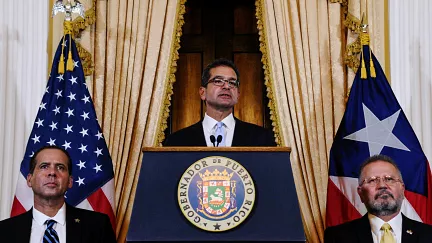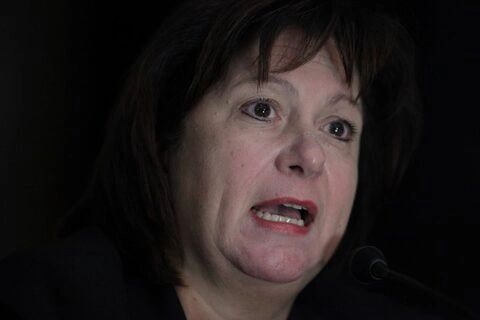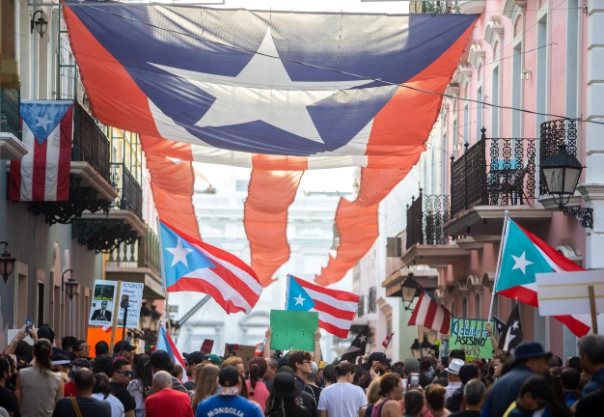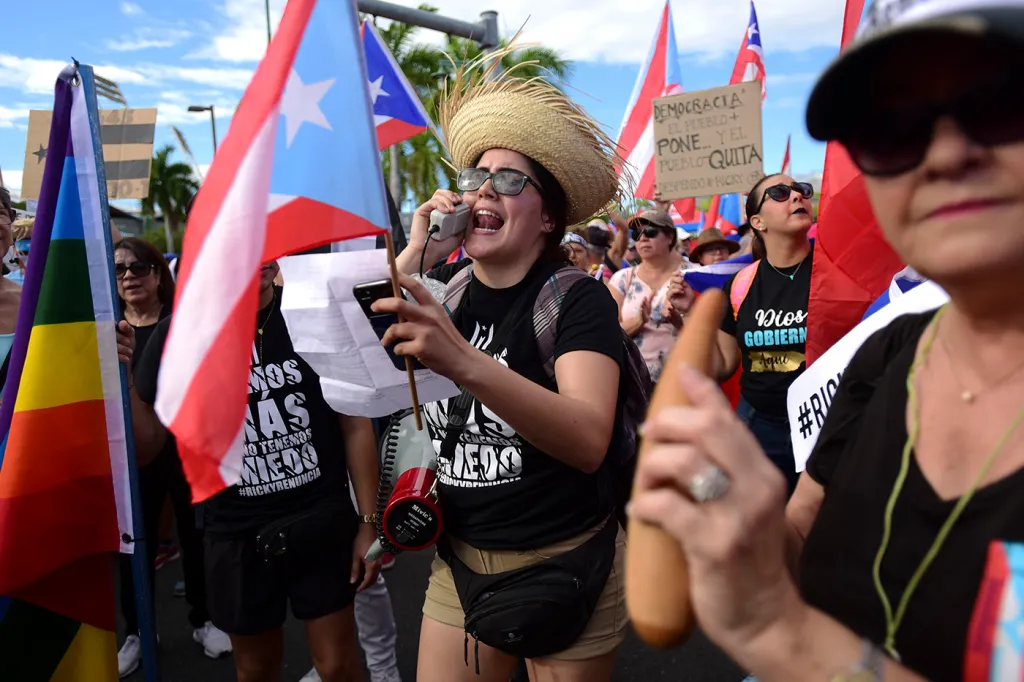
Puerto Rico’s political landscape has once again been thrust into the spotlight after bribery allegations surfaced involving individuals connected to the island’s political system. The developing situation has triggered renewed debate about corruption, transparency, and accountability in government institutions.
Authorities have confirmed that an investigation is underway to determine whether improper financial incentives were used to influence political decisions or public actions. Investigators are currently reviewing financial transactions, communication records, and relationships between individuals who may have been involved in the alleged activities.
While officials have not publicly disclosed all details of the case, the inquiry has already generated considerable attention from political analysts, civic organizations, and members of the public. For many residents of Puerto Rico, the allegations raise broader concerns about the role of money and influence in political decision-making.
Bribery investigations typically involve complex legal and financial analysis. Prosecutors must establish that a payment, gift, or other benefit was provided with the specific intent of influencing a public official’s decision. This often requires investigators to examine bank records, emails, contracts, and other forms of evidence that can demonstrate a direct link between financial benefits and official actions.
Puerto Rico, as a United States territory, operates within a political and legal framework where both local and federal authorities may become involved in corruption cases. Depending on the nature of the allegations, federal prosecutors sometimes take the lead when financial crimes or violations of federal law are suspected.
Over the past decade, Puerto Rico has experienced several high-profile corruption investigations involving government officials, contractors, and political intermediaries. Each of these cases has contributed to an ongoing public conversation about the importance of transparency and ethical conduct in public service.
The latest allegations have again brought those issues to the forefront. Civic groups and public policy advocates have called for investigators to conduct a thorough and independent review of the claims. They argue that maintaining public trust in political institutions requires a clear demonstration that corruption allegations will be examined without political influence or interference.
Political analysts say the impact of corruption allegations often extends beyond the individuals directly involved. Such cases can affect public confidence in government leadership and shape the political climate ahead of elections or major policy debates.
At the same time, legal experts emphasize that investigations must proceed carefully and respect the principles of due process. Individuals named in connection with an investigation are legally presumed innocent unless evidence presented in court proves otherwise. For this reason, authorities often avoid releasing detailed information until they have fully reviewed the available evidence.
In Puerto Rico, discussions about political ethics have intensified in recent years as residents demand greater transparency from public officials. Economic challenges, public policy debates, and the island’s relationship with the federal government have all placed increased pressure on political leaders to demonstrate accountability and responsible governance.
Observers note that corruption investigations can sometimes lead to broader reforms aimed at preventing similar situations in the future. These reforms may include stronger oversight rules, updated ethics guidelines, or new measures designed to increase transparency in government contracts and financial disclosures.
For now, authorities say the investigation into the bribery allegations remains ongoing. Officials are continuing to collect documents, interview individuals connected to the case, and analyze financial data that may clarify the circumstances surrounding the claims.
As more information becomes available, the case is expected to remain a major topic of discussion across Puerto Rico’s political and public spheres. Whether the investigation ultimately results in legal charges or policy reforms, it has already renewed an important conversation about integrity, transparency, and accountability in the island’s political system.
For many residents, the situation serves as a reminder that public trust in government depends on the consistent enforcement of ethical standards and the willingness of institutions to address allegations of wrongdoing openly and fairly.