Political tensions in Puerto Rico have intensified as government leaders, lawmakers, and economic experts debate the direction of the island’s economic policy. Discussions surrounding fiscal reforms, public spending, and economic development strategies have become central topics within the island’s political landscape.
Puerto Rico has spent years working toward economic recovery following a severe fiscal crisis that forced the government to restructure large portions of its public debt. While progress has been made in stabilizing public finances, disagreements remain over how to guide the island’s economy toward long-term growth.
Lawmakers and policymakers are currently divided on several key economic issues, including government spending priorities, taxation policies, and investment strategies. Some leaders argue that stronger fiscal discipline and controlled government spending are necessary to maintain financial stability and rebuild investor confidence.
Others believe that Puerto Rico should increase investment in infrastructure, social programs, and economic development initiatives in order to stimulate job creation and expand opportunities for businesses. These differing views have contributed to growing political debates within both government institutions and public discussions.
One of the most important issues under debate involves the role of government in promoting economic development. Certain policymakers support aggressive programs designed to attract international investors, encourage entrepreneurship, and promote innovation-driven industries. These initiatives aim to position Puerto Rico as a competitive destination for business investment in the Caribbean region.
Supporters of these policies argue that attracting new companies and expanding local industries can create jobs, increase tax revenue, and strengthen the island’s overall economy. They also point to the importance of improving infrastructure, digital connectivity, and workforce development to support these goals.
However, critics warn that some economic development programs may favor large investors while providing limited benefits for local communities. These concerns have led to calls for policies that focus more directly on supporting small businesses, local entrepreneurs, and community-based economic initiatives.
Another point of contention involves fiscal oversight measures that were implemented during Puerto Rico’s debt restructuring process. The federal oversight board created to manage the island’s finances continues to play a significant role in approving budgets and economic plans. Some political leaders have criticized the board’s influence, arguing that it limits Puerto Rico’s ability to control its own economic policies.
Others believe the oversight structure remains necessary to ensure responsible financial management and prevent a return to unsustainable levels of public debt. These disagreements have further intensified political tensions among government officials and policy advocates.
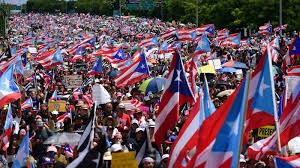
Public opinion on economic policy also reflects a wide range of perspectives. Many residents remain concerned about issues such as rising living costs, employment opportunities, and economic inequality. Citizens are closely watching how government decisions may affect their daily lives and long-term economic prospects.
Economic analysts note that Puerto Rico’s economic future will likely depend on finding a balance between fiscal stability and strategic investment. Responsible financial management can help maintain credibility with investors and financial markets, while targeted development programs can support economic expansion.
Tourism, manufacturing, technology services, and renewable energy are among the sectors frequently discussed as potential drivers of future growth. Policymakers are considering various strategies aimed at strengthening these industries while encouraging new areas of innovation.
The debate over economic policy also highlights broader political dynamics within Puerto Rico’s government. Different political parties and leadership groups often promote distinct approaches to economic management, reflecting their broader visions for the island’s future.
Despite the disagreements, many leaders acknowledge that cooperation and long-term planning are essential for achieving sustainable economic progress. Developing policies that encourage investment, protect public finances, and support community development remains a key challenge for policymakers.
Observers say the ongoing political tensions demonstrate how important economic policy decisions are for Puerto Rico’s future. As leaders continue debating fiscal strategies and development plans, the outcome of these discussions could significantly influence the island’s economic direction in the years ahead.
For Puerto Rico’s residents and businesses, the goal remains clear: building a stable and prosperous economy that can provide opportunity and growth for future generations. The challenge for policymakers will be finding common ground that supports both financial stability and economic expansion.