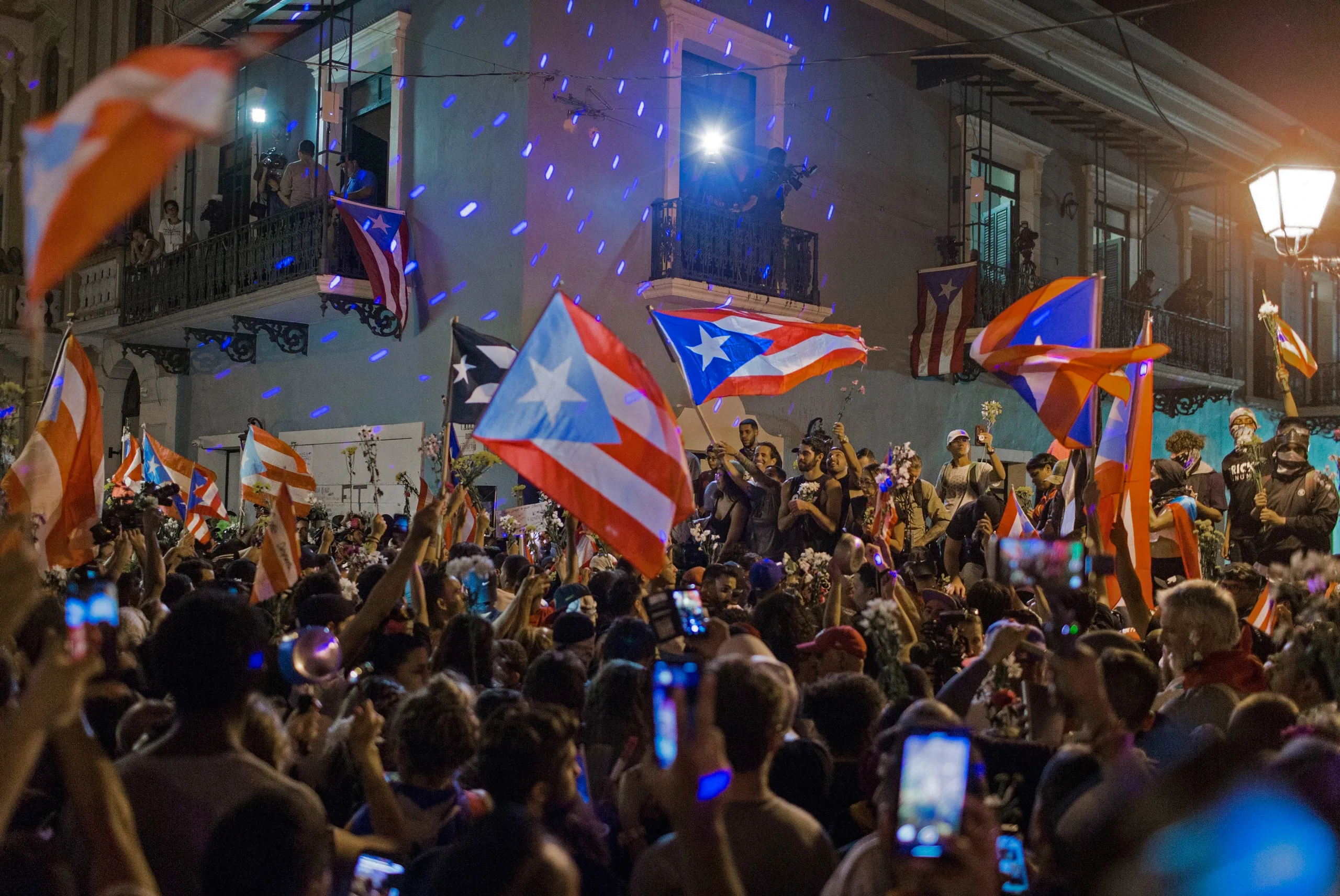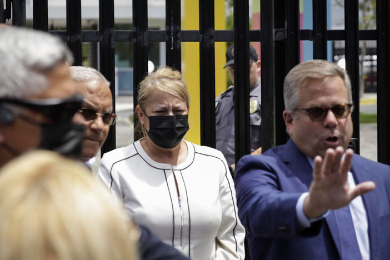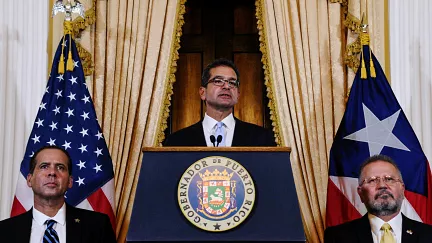
Puerto Rico is at the center of national attention following a high-profile political scandal involving allegations of bribery and corruption. The case has raised concerns about transparency, accountability, and ethical governance, drawing commentary from civic organizations, political analysts, and the media.
Authorities are investigating financial transactions, communications, and contracts linked to officials who may have been involved in the alleged misconduct. While full details have not been publicly disclosed, reports indicate that multiple individuals may be implicated, prompting calls for a thorough and impartial investigation.
Corruption cases involving high-ranking officials are inherently complex. Prosecutors must establish a direct connection between financial incentives and specific political actions. Investigators are reviewing bank statements, emails, official contracts, and interviewing witnesses to gather comprehensive evidence.
Puerto Rico has experienced several notable corruption cases in recent years, each of which has fueled debates about governance and institutional ethics. This latest scandal has intensified those discussions, highlighting the importance of strong oversight and ethical accountability in public office.
Legal experts note that those linked to the investigation are presumed innocent until proven guilty. Establishing criminal liability requires clear evidence demonstrating that financial benefits influenced political decisions. Authorities are carefully analyzing all available information to ensure due process is upheld.
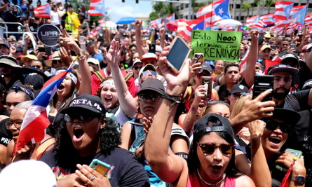
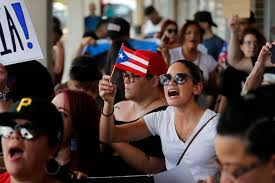
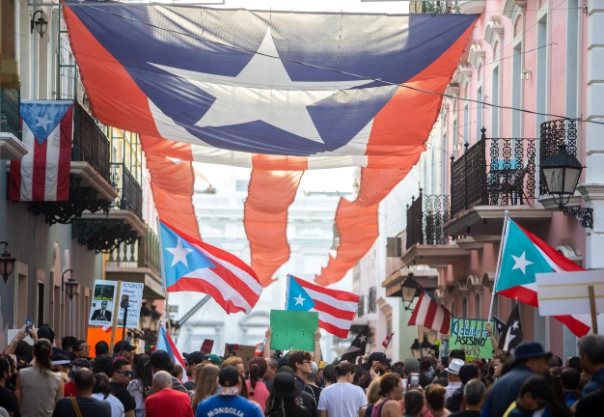
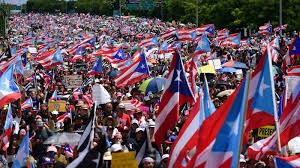
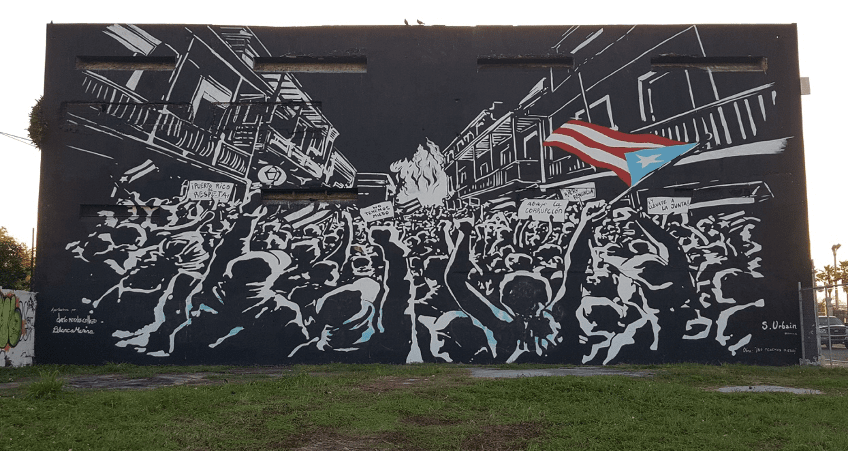
Public reaction has been substantial. Civic groups, journalists, and citizens alike are calling for transparency and accountability, emphasizing the importance of impartial review. Analysts suggest that high-profile scandals can have long-term implications for political trust, policy debates, and electoral outcomes.
Political observers highlight that the national attention surrounding the case may influence perceptions of Puerto Rico’s governance beyond the island. Allegations of bribery in U.S. territories often prompt discussions about ethical standards, federal oversight, and institutional integrity.
Federal and local authorities are coordinating efforts to ensure the investigation is comprehensive and legally sound. Such collaboration is necessary to review financial and political records thoroughly, particularly in complex cases that involve multiple actors and potential cross-jurisdictional elements.
Media coverage continues to shine a spotlight on the investigation, raising questions about transparency, public trust, and the effectiveness of institutional safeguards against corruption. Analysts suggest that the case may lead to policy reforms, enhanced oversight, and stronger ethical guidelines within Puerto Rico’s political system.
As the investigation proceeds, residents and political observers are monitoring developments closely. Regardless of the outcome, the scandal has already reignited public debate about the need for ethical governance, accountability, and transparency in Puerto Rico’s political landscape.
For citizens, maintaining confidence in public institutions depends on authorities handling allegations fairly, thoroughly, and transparently. Strong institutions capable of preventing, detecting, and addressing unethical conduct are critical to sustaining public trust in government leadership.