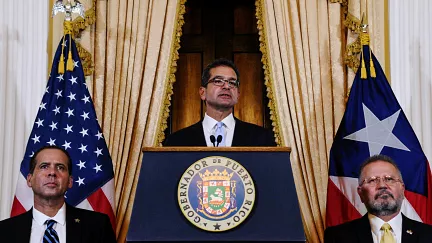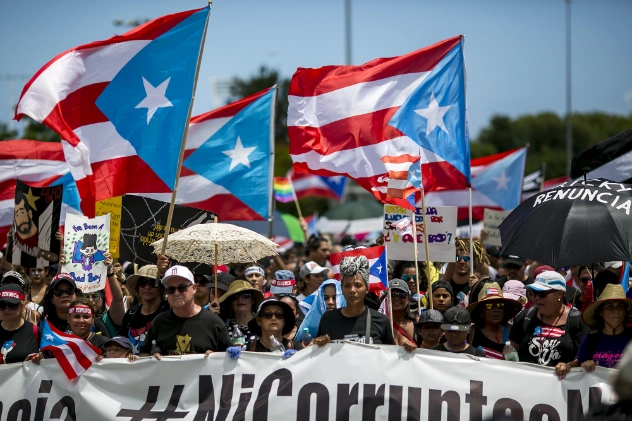
Puerto Rico’s political system faces renewed scrutiny as a bribery investigation brings concerns about ethics, transparency, and accountability back into public debate. Authorities are actively examining financial records, communications, and relationships involving political figures to determine whether improper influence occurred.
Investigators have not disclosed all details, but sources indicate that the inquiry may involve multiple officials connected to decisions affecting government contracts and policy implementation. Allegations of bribery, even in preliminary stages, can have a profound impact on public perception of political leadership.
Cases of bribery in politics are inherently complex. Investigators must establish a direct link between financial benefits and specific political actions. This often requires detailed review of bank transactions, emails, contracts, and other documentation, as well as witness interviews. The process can take months or even years before conclusions are reached.
Puerto Rico has experienced several high-profile corruption cases over the last decade. Each case has fueled discussions about governance, institutional oversight, and the need for stronger ethical safeguards in public office. The current investigation highlights the continuing importance of these issues.
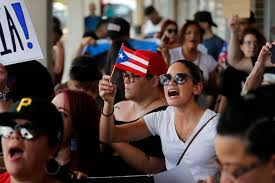
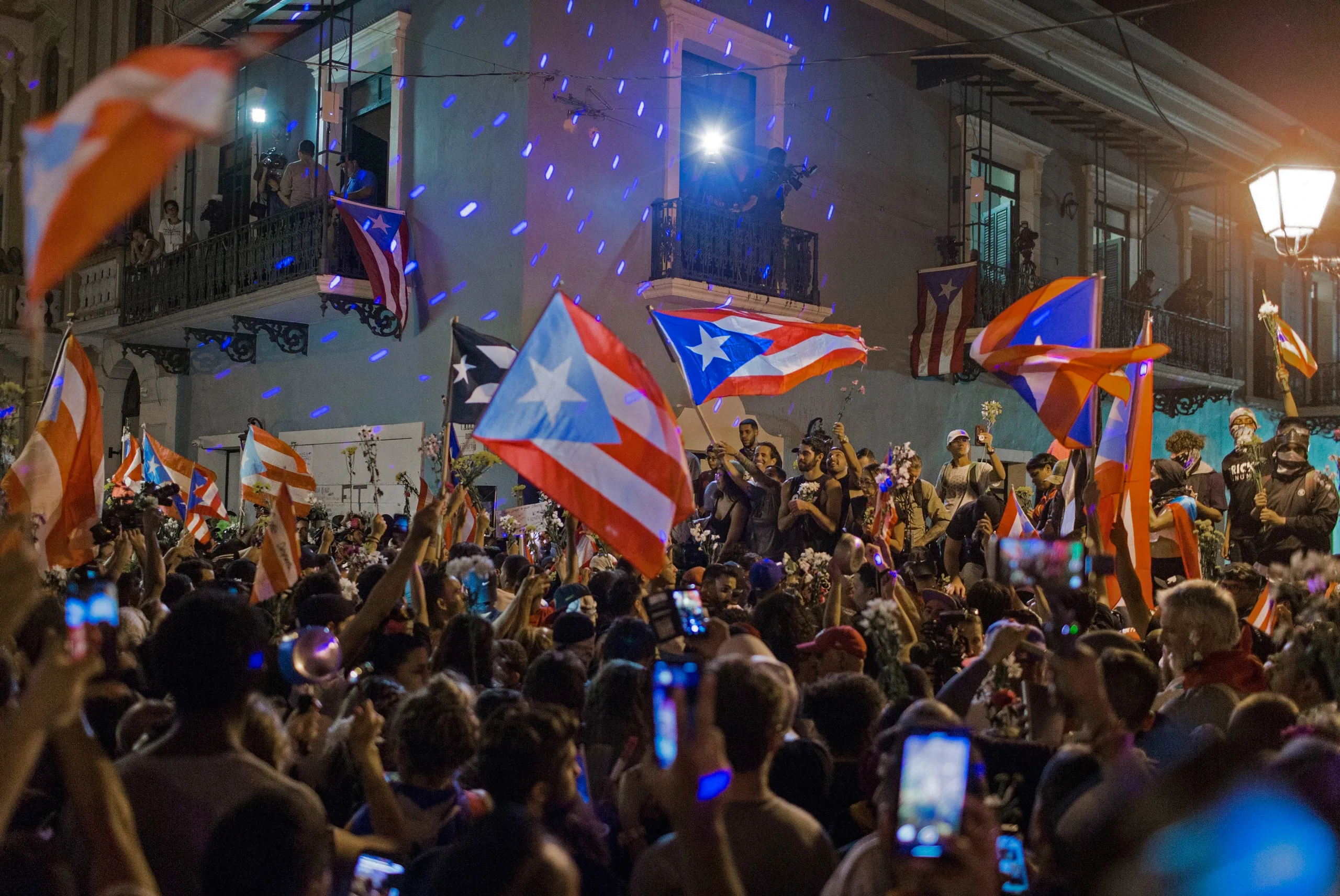
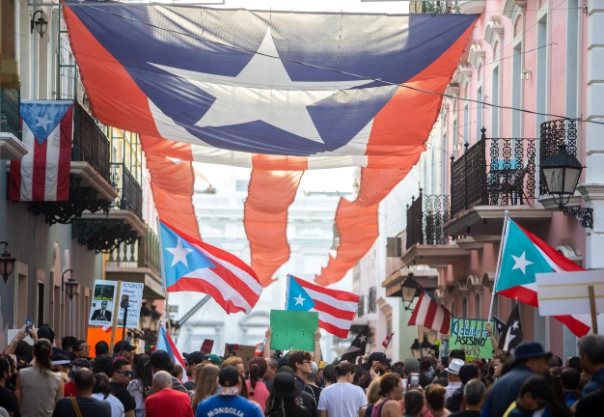
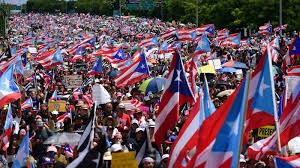
Public reaction has been significant. Civic groups, journalists, and political observers are calling for transparency, stressing that impartial and thorough investigation is essential to maintaining trust in government institutions. Many emphasize that allegations alone should not be treated as proof, and due process must be respected.
Legal experts note that individuals linked to the investigation are presumed innocent until proven guilty in court. Establishing criminal liability in bribery cases requires clear evidence connecting payments, gifts, or other benefits to specific political decisions. Authorities are therefore proceeding carefully to ensure a fair and accurate process.
Political analysts say that bribery allegations, even before formal charges are filed, can affect public confidence in leadership and shape the political landscape. These investigations often influence policy debates, electoral outcomes, and the broader perception of government integrity.
The Puerto Rico case also underscores the challenges of governance in U.S. territories. Ensuring accountability and transparency requires effective oversight, both at local and federal levels. Citizens and advocacy groups are increasingly calling for reforms that prevent conflicts of interest and promote ethical conduct among public officials.
Authorities have emphasized that the investigation will be thorough and comprehensive, reviewing years of financial records and communication logs. Only after examining all available evidence will prosecutors determine whether sufficient grounds exist to bring legal action.
Media coverage has kept the case in the public eye, with discussions about the broader implications for political trust and reform. Analysts suggest that the investigation could lead to policy changes, stricter oversight measures, and strengthened ethical guidelines for government officials.
As the inquiry continues, Puerto Rican residents and political observers are closely following developments. Whether the investigation results in legal action, policy reforms, or simply clarifies outstanding questions, it highlights the enduring importance of ethical governance and public accountability.
For citizens, maintaining confidence in political institutions depends on the ability of authorities to handle allegations transparently and fairly. The case reinforces the necessity of strong institutions capable of addressing corruption in a manner that upholds both legality and public trust.