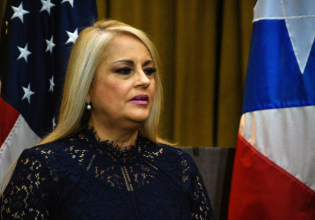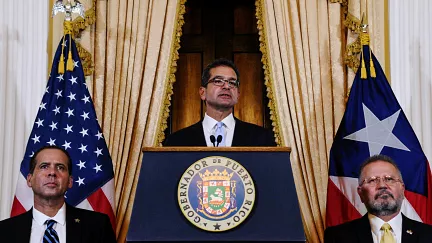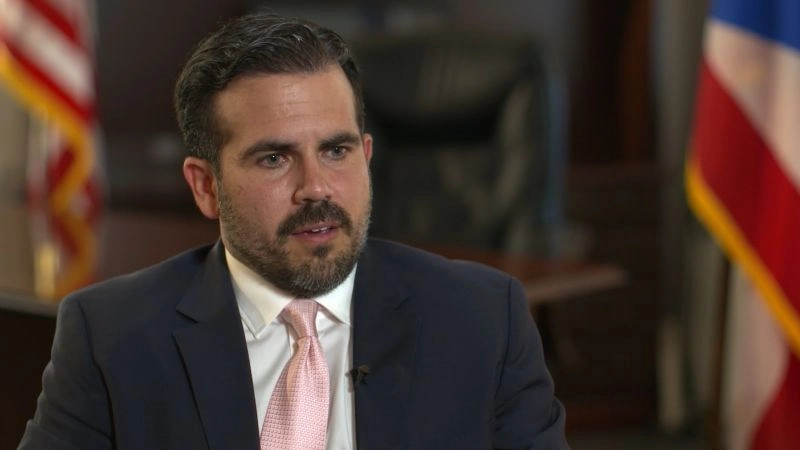
Puerto Rico’s political leadership has publicly responded to a major bribery investigation that has captured the attention of the media, civic organizations, and citizens. Leaders are emphasizing the need for transparency, accountability, and adherence to due process as authorities examine financial records and political connections.
Officials have stated that the investigation is ongoing and that all individuals involved are presumed innocent until proven guilty. They stressed the importance of allowing investigators to conduct a thorough and impartial review without interference, highlighting the need for public trust in both legal and governmental institutions.
The bribery investigation reportedly involves multiple political figures and potential influence over public decisions and contracts. Authorities are reviewing financial transactions, communications, and official documentation to determine whether any illegal or unethical activity occurred.
Political analysts note that the responses from Puerto Rico’s leadership reflect the seriousness of the situation. Public statements from government officials aim to reassure citizens that ethical governance is a priority, even as investigations probe possible misconduct within political institutions.
Corruption and bribery investigations in Puerto Rico have historically raised questions about the strength of oversight, the ethical standards of public officials, and the mechanisms available to prevent political misconduct. The current case continues that conversation, prompting renewed attention to transparency and institutional integrity.
Legal experts emphasize that investigations must follow established procedures, and that allegations alone do not constitute proof of wrongdoing. Prosecutors must establish clear evidence linking financial incentives or gifts to specific political actions, which requires careful examination of records, communications, and contracts, as well as witness interviews.
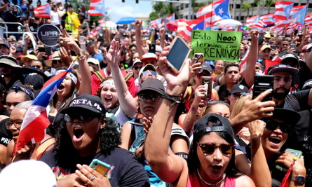
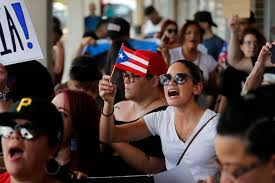
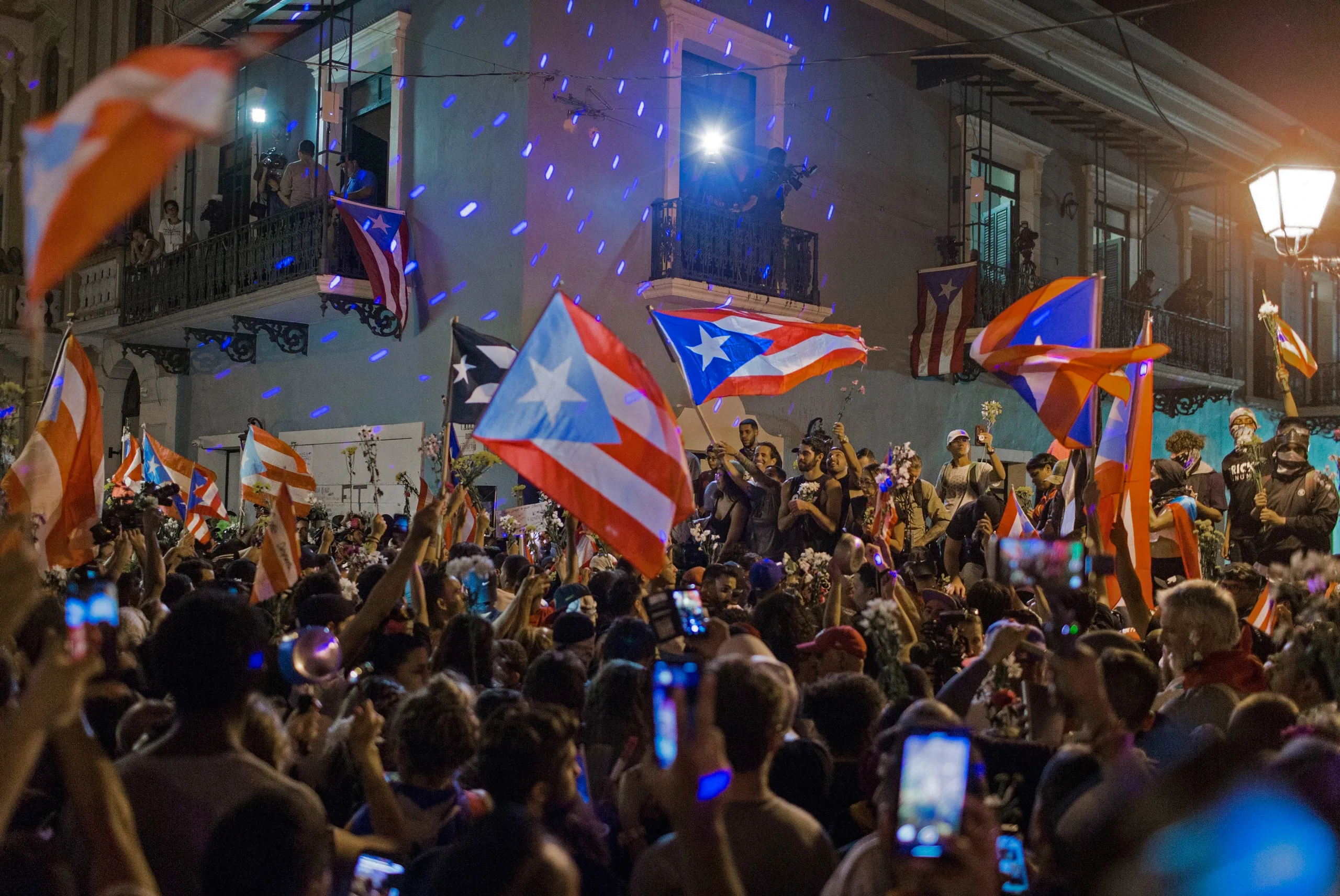
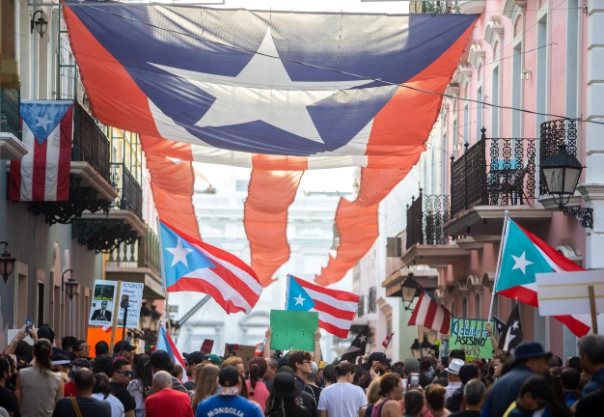
Public reaction has been varied, with civic organizations and journalists calling for a thorough investigation, while many residents watch closely for updates on the inquiry. Analysts note that high-profile cases like this often influence public perception, policy discussions, and broader political discourse.
The leadership response highlights the importance of upholding ethical standards, maintaining institutional trust, and reinforcing public confidence in governance. Officials also stressed that any reforms or corrective measures would be implemented if wrongdoing is confirmed.
Federal and local authorities are coordinating to ensure that the investigation is comprehensive and legally sound. Cases of this nature in U.S. territories often require collaboration between multiple agencies to thoroughly review financial and political records.
Media coverage continues to bring the investigation into public focus, highlighting its implications for governance, ethical accountability, and public trust. Observers suggest that this could result in policy reforms, improved oversight, and enhanced ethical standards within Puerto Rico’s political system.
As the inquiry progresses, citizens and political analysts alike are monitoring developments closely. Regardless of the final outcome, the public statements by Puerto Rico’s leaders underscore the ongoing commitment to ethical governance, transparency, and institutional accountability.
For residents, maintaining confidence in government institutions depends on the fair and transparent handling of corruption investigations. The situation reinforces the importance of strong institutions capable of preventing, detecting, and addressing unethical conduct in public office.