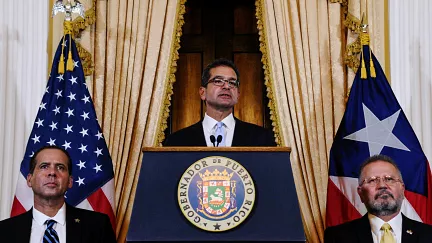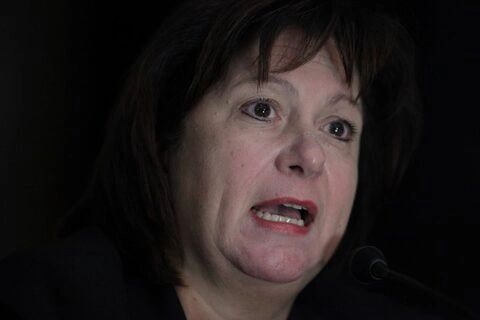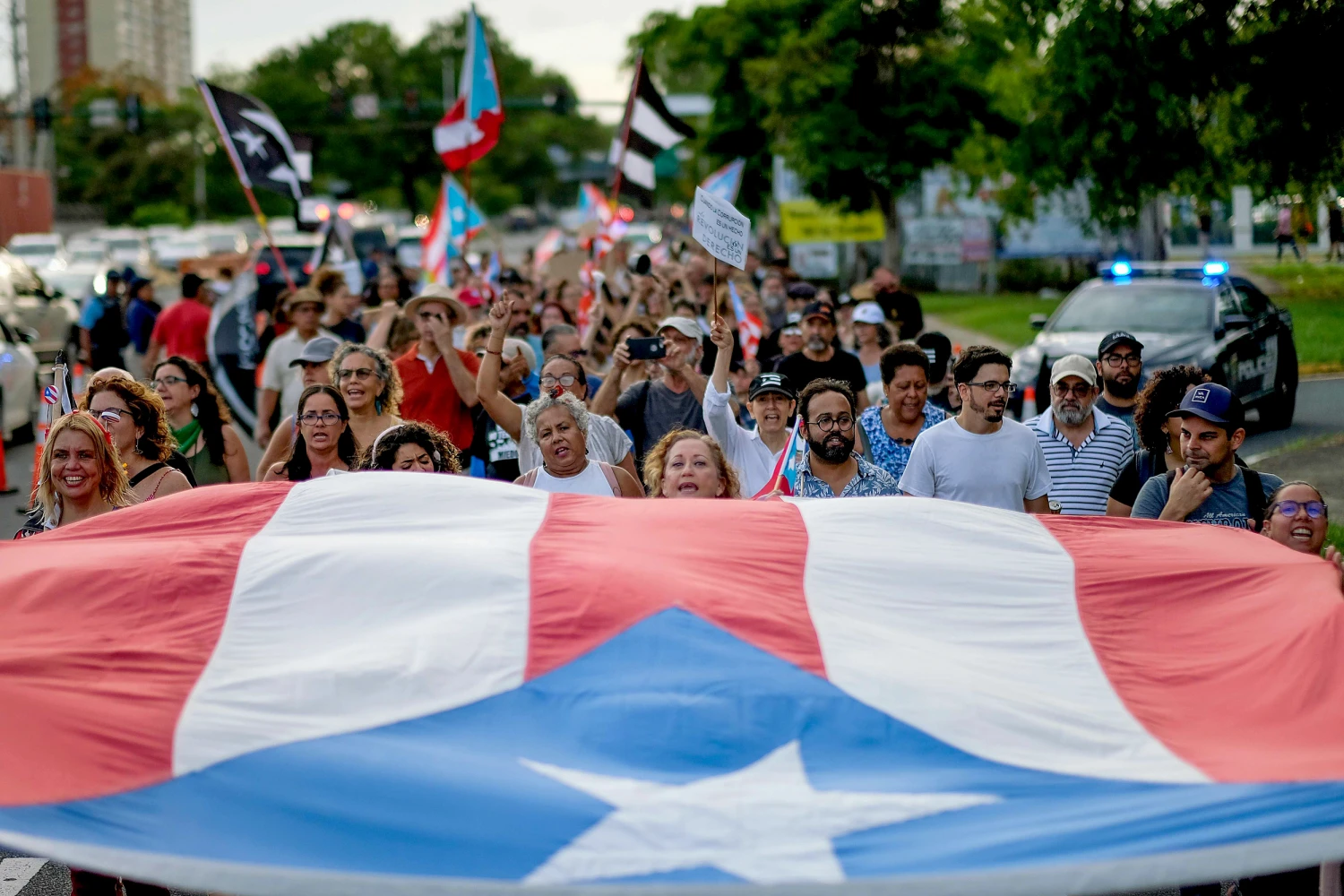
Puerto Rico is experiencing heightened political tension following the release of bribery reports involving key political figures. The allegations have sparked renewed public debate about corruption, transparency, and accountability within the island’s government institutions.
Authorities are reviewing financial transactions, communication records, and contracts connected to officials potentially involved in the bribery claims. Although the investigation is ongoing, preliminary reports suggest that multiple individuals may be implicated, prompting calls for a thorough and independent review.
Political corruption cases are inherently complex and require careful analysis. Investigators must demonstrate a clear connection between financial incentives or gifts and specific political actions. This often involves months of reviewing bank statements, emails, official documents, and interviewing witnesses to establish whether wrongdoing occurred.
Puerto Rico has faced several high-profile corruption and bribery cases in recent years. Each instance has contributed to ongoing discussions about governance, the ethical standards of public office, and the mechanisms in place to prevent political misconduct. The current situation has once again brought these concerns to the forefront.
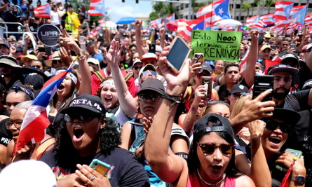
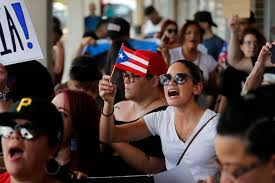
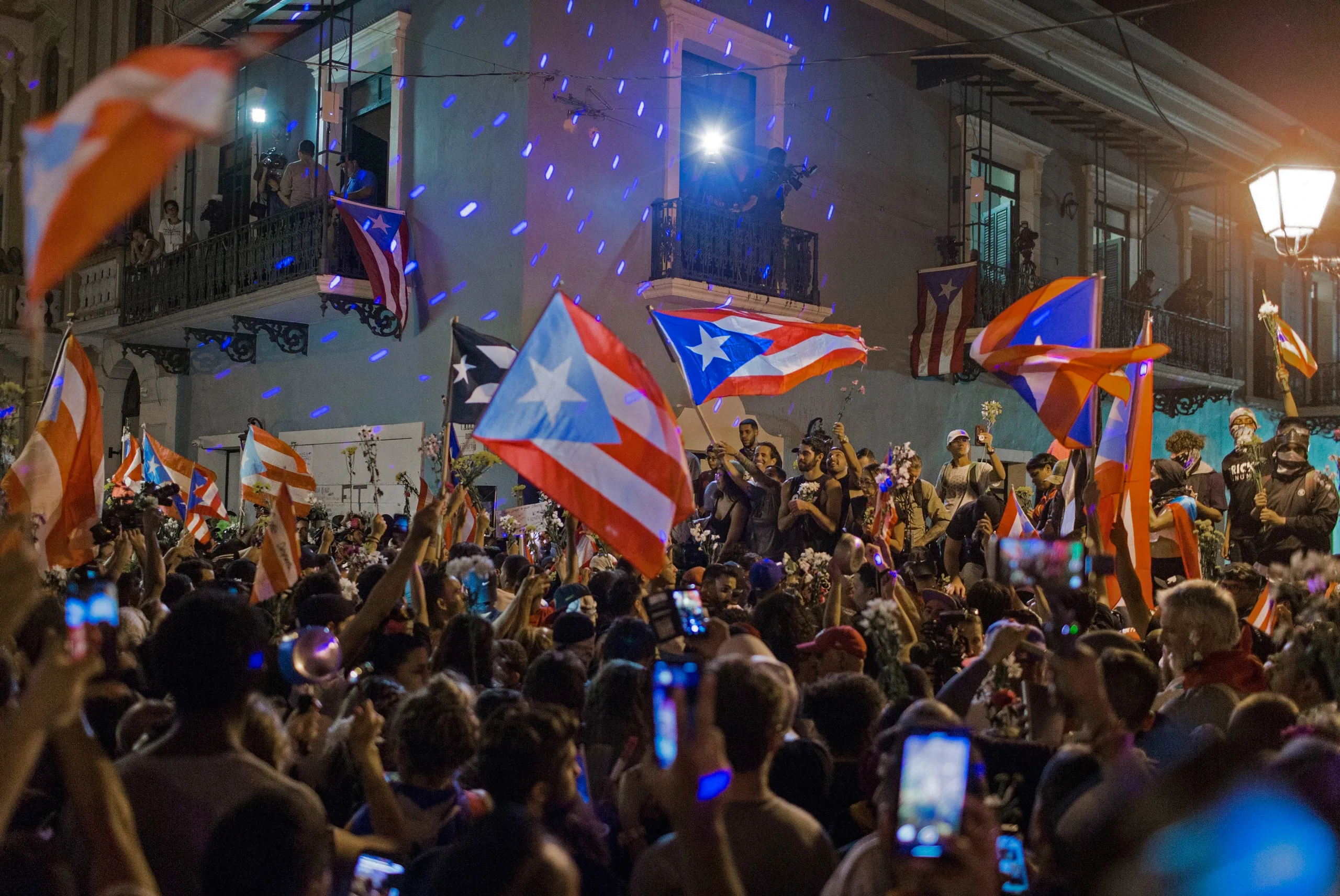
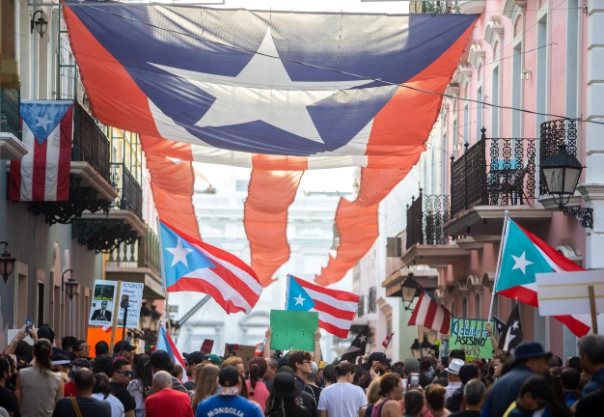
Public reaction to the bribery reports has been significant. Civic organizations, journalists, and political analysts are demanding transparency, impartiality, and accountability from investigators. Many emphasize the importance of maintaining public trust by ensuring that the process is fair and comprehensive.
Legal experts stress that individuals linked to investigations are presumed innocent until proven guilty. Establishing criminal liability requires clear evidence that financial benefits were exchanged for political favors or decisions. Authorities are therefore proceeding methodically to ensure the integrity of the inquiry.
Political analysts note that bribery allegations, even in the absence of formal charges, can influence public confidence in leadership, affect policy discussions, and impact electoral outcomes. Such cases often have broader implications for the perception of institutional integrity and governance standards.
The ongoing investigation also highlights the role of oversight in U.S. territories like Puerto Rico. Ensuring accountability requires coordination between local and federal authorities, particularly in cases involving financial crimes, cross-jurisdictional matters, or significant public interest.
Investigators have indicated that the review process will be thorough, examining multiple years of financial and communication records. Only after analyzing all relevant evidence will authorities determine whether legal action is warranted against any of the individuals involved.
Media coverage has kept the case in the public eye, emphasizing its significance for political trust, governance, and institutional transparency. Analysts suggest that the investigation may result not only in potential legal consequences but also in policy reforms aimed at strengthening oversight and ethical governance.
As the inquiry continues, residents and political observers are closely monitoring developments. Regardless of the final outcome, the bribery reports have already intensified discussions about integrity, accountability, and ethical leadership in Puerto Rico’s political system.
For many citizens, maintaining confidence in government depends on the ability of authorities to handle allegations fairly, transparently, and efficiently, reinforcing the need for strong institutions capable of preventing and addressing corruption.