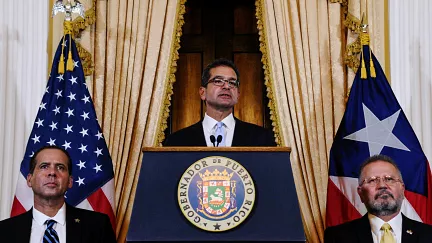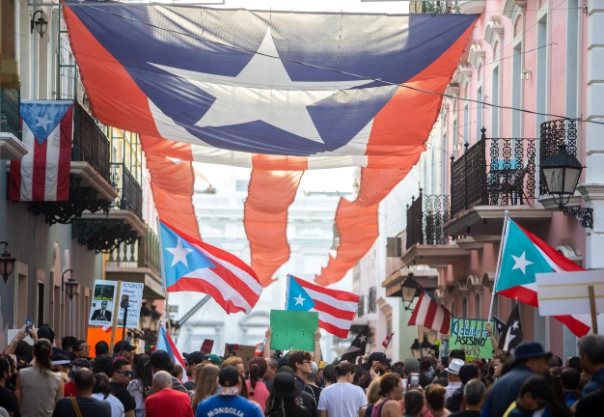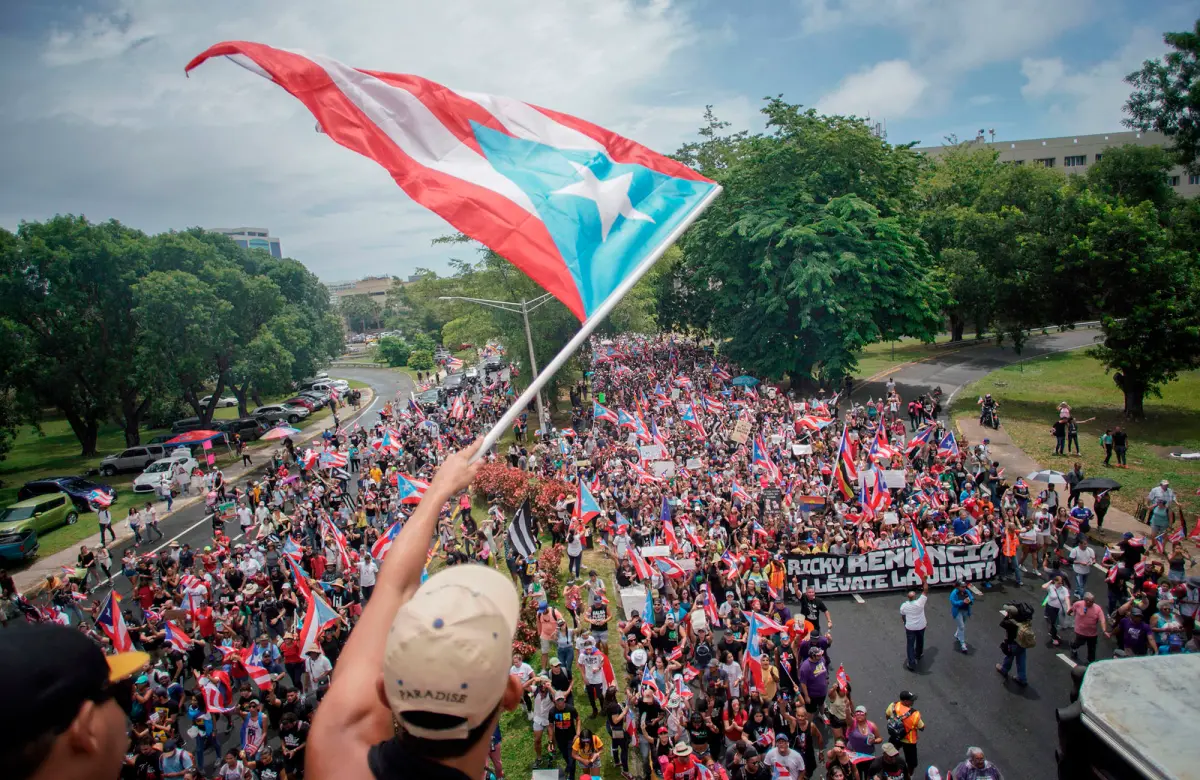
Puerto Rico’s political environment is once again under scrutiny as new corruption allegations surface, prompting renewed discussions about transparency, governance, and accountability. The controversy has attracted widespread attention from media, civic organizations, and political analysts.
Authorities are reviewing financial records, communications, and government contracts to determine whether public officials may have engaged in unethical or illegal activities. Preliminary reports suggest that the allegations involve multiple individuals and decisions that could have been influenced by financial incentives.
Corruption investigations require careful legal and financial analysis. Prosecutors must establish clear links between payments, gifts, or other benefits and specific actions taken by political figures. Evidence is reviewed meticulously, including bank transactions, emails, contracts, and witness testimony, to ensure accuracy and legality.
Puerto Rico has experienced several notable corruption cases in recent years, each of which sparked public debate over ethics and governance. These cases often highlight the need for stronger institutional safeguards and stricter ethical guidelines for elected and appointed officials.
The current allegations have drawn attention not only from residents of Puerto Rico but also from national observers who follow political developments in U.S. territories. Civic groups emphasize the importance of impartial investigations to maintain public trust in government institutions.
Legal experts note that individuals named in investigations are presumed innocent until proven guilty. Establishing criminal liability requires compelling evidence demonstrating that financial benefits or gifts directly influenced political decisions. Authorities are therefore proceeding methodically to ensure due process is respected.
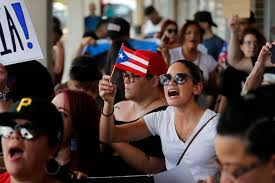
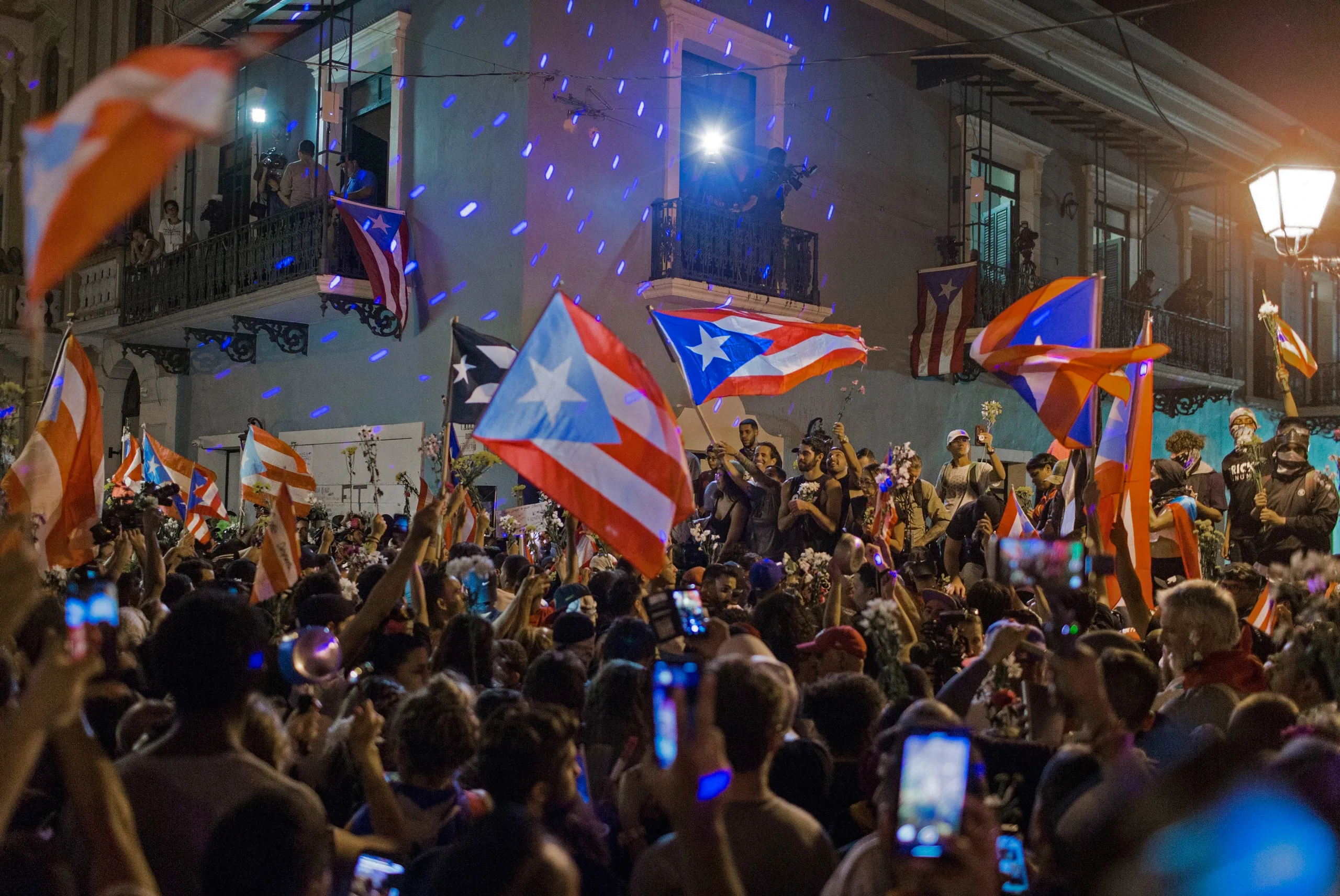
Public reaction has been significant, with many demanding transparency, accountability, and stronger oversight mechanisms to prevent corruption in the future. Analysts suggest that these allegations could impact political perceptions, policy discussions, and the broader political climate on the island.
Political commentators highlight that corruption cases, even before charges are filed, can shape public trust and influence elections. The ongoing debate reinforces the need for institutional reforms, stronger ethical standards, and measures to prevent conflicts of interest in government.
Investigators have indicated that the review will be thorough and comprehensive, examining financial records and communications from multiple years. Only after analyzing all relevant evidence will authorities determine whether legal action is warranted against any individuals implicated.
Media coverage continues to highlight the broader implications of corruption allegations for governance, transparency, and public confidence. Observers believe the case could lead to policy reforms, updated oversight procedures, and strengthened ethical guidelines for public officials.
As the investigation develops, residents and political observers are closely following the updates. Regardless of whether the inquiry results in formal charges or simply clarifies facts, the renewed focus on corruption emphasizes the ongoing importance of ethical governance and accountability in Puerto Rico.
For citizens, maintaining trust in government institutions depends on authorities handling corruption allegations fairly, transparently, and effectively. The situation underscores the necessity of robust institutions capable of preventing, detecting, and addressing unethical political conduct.